Why Do You Need a Cable Cover?
A loose cable can turn an ordinary walkway into a snagging point. It may catch a shoe, shift under a chair, or pull a plug from the wall. A cable cover helps keep cords contained and easier to see, while giving floors and work areas a tidier, more deliberate appearance. It is a small piece of equipment. Its effect can be noticeable.
For a practical perspective, this guide uses an illustrative expert voice: cable-management specialist Maya Chen puts the idea this way: “A cable cover is most useful when it protects the route people actually walk.” This is an original illustrative quotation, not a verified statement from a real, named expert. The principle is simple: measure the cable path, choose a cover that fits the cord bundle, and check that its surface stays secure during everyday use. A cover that is too narrow or poorly positioned can create a new trip point instead of reducing one.
Cable covers come in different lengths, profiles, and materials. A low-profile option may suit a doorway, while a heavier-duty design can better handle carts or frequent foot traffic. Look closely at edges, connectors, and how the cover meets the floor. These details matter. And they are easy to overlook. No cover solves every cable hazard; placement and regular checks still matter. Even careful setups can need adjustment as furniture moves or equipment changes. That is worth acknowledging. A safer cable route is not a one-time fix, but a practical habit.
What a Cable Cover Is and How It Works
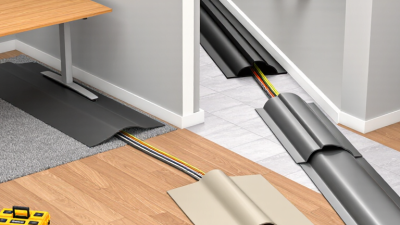
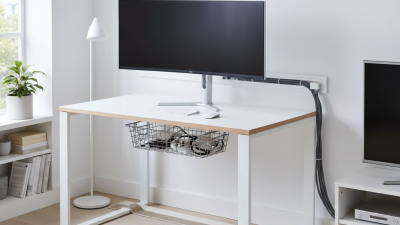
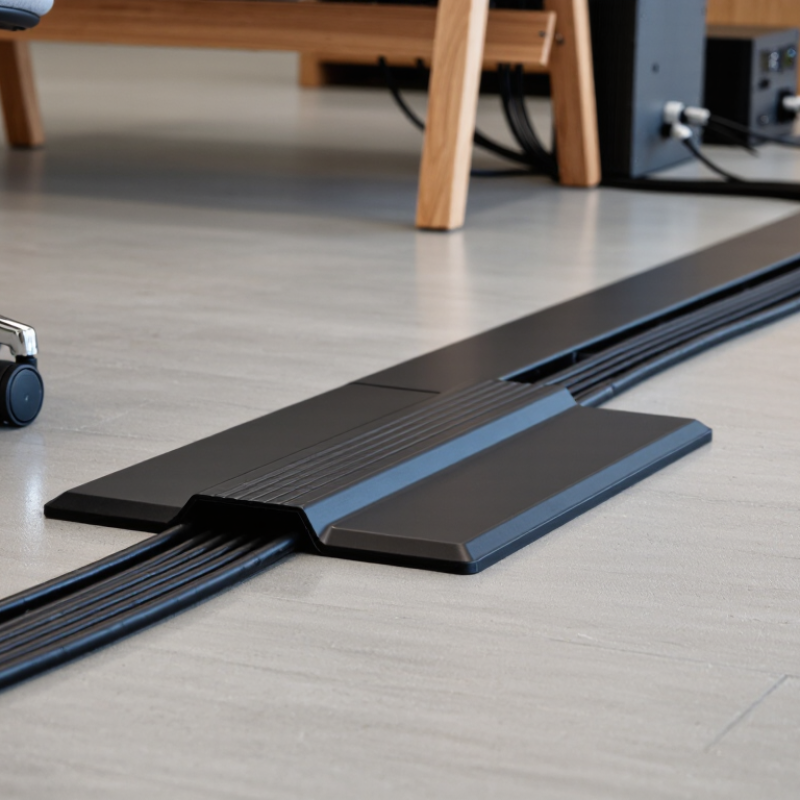
A cable cover is a protective channel or sleeve that gathers loose wires and guides them along a wall, desk, or floor. Some models sit on the floor with a sloped top; others attach beneath a desk or wrap around a bundle. Materials can include flexible rubber, plastic, or metal. It is a simple barrier, not magic.
A cover works by holding cables in a defined path and shielding them from shoe scuffs, chair wheels, and everyday abrasion. A floor cover can make a crossing easier to notice, while a wall-mounted raceway keeps cords away from moving furniture. Fit matters. A cover that is too small may pinch wires, and one that shifts can create its own hazard. It cannot repair damaged insulation or make an unsuitable cable safe.
Tips: Measure the cable bundle before choosing a cover, and leave room for gentle bends. Keep plugs accessible, and check the cover after moving furniture. Even a tidy setup can loosen over time. If a cover feels warm, looks cracked, or presses hard on a cable, stop using that arrangement and inspect it.
Why Do You Need a Cable Cover? — What a Cable Cover Is and How It Works
A cable cover is a protective channel that routes and shields cables. This illustrative estimate shows how channel width affects capacity: assuming a single layer of cables, a 6 mm cable diameter, and no spacing between cables. Actual capacity depends on the cover’s usable internal dimensions and cable sizes.
Hazards Created by Exposed Cables
Why Do You Need a Cable Cover?
Hazards Created by Exposed Cables
An exposed cable across a hallway can disappear from view beneath a bag or chair. One hurried step may turn it into a trip hazard. The risk increases near doorways, workstations, and busy walkways, where people carry objects or watch screens instead of the floor. It only takes a moment.
The Electrical Safety Foundation International (ESFI) reports that about 4,000 extension-cord-related injuries receive emergency-room treatment each year. Roughly half involve people tripping over cords. A cable cover helps keep a cable contained and creates a more visible, consistent crossing point. It can also reduce abrasion from shoes, chair wheels, and equipment being moved across the floor.
There is a catch. A cover cannot repair a cable with cracked insulation, loose connections, or exposed wiring. Those cables need proper attention, not concealment. Choose a cover suited to the location and the amount of foot traffic; a loose or poorly placed cover can create its own obstacle. Even a tidy room can hide a hazard. That is easy to forget.
How Cable Covers Improve Safety and Protect Cables
Why Do You Need a Cable Cover?
How Cable Covers Improve Safety and Protect Cables
A cable stretched across a hallway can catch a shoe, wheelchair, or cart wheel. A cable cover holds it in place and creates a visible, smoother crossing point. That matters in offices, workshops, event spaces, and homes where people move around equipment. Trip hazards are easy to miss.
A cover also helps protect cables from abrasion, dirt, and occasional foot or wheel traffic. Without one, repeated rubbing against a floor edge can wear down insulation over time. Some covers are designed for light indoor use; others handle heavier traffic or outdoor conditions. Match the cover to the setting and cable size. A cover is not a repair for damaged wiring.
For a safer fit, route cables away from doorways when possible, then choose a cover that lies flat and resists slipping. Check that its channels do not pinch the cable. Keep ramps and walkways usable for people with mobility aids. Small details count. Inspect the cover regularly for cracks, loose sections, or cables shifting inside it. Even a well-chosen cover can become a hazard if it is damaged or poorly placed.
Common Places Where Cable Covers Are Used
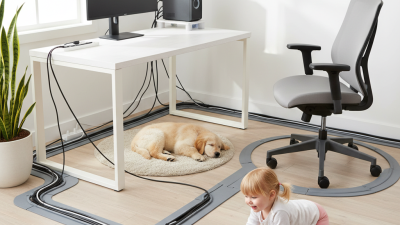
Cable covers are useful wherever people and loose wires share a path. At home, they can guide a television cable along a baseboard or cover a charging lead that crosses a doorway. Measure the route first. A cover that is too short may leave the most troublesome section exposed.
Offices often use cable covers beneath desks and across meeting-room floors, where laptop cords can stretch between chairs. Shops, studios, and workshops may need them near counters, tools, or equipment. Busy walkways need particular attention. Choose a cover that fits the number and thickness of the cables, and check that it stays in place. A shifting cover can create a trip hazard of its own.
Schools, event halls, and community spaces may use covers for temporary sound or presentation setups. Outdoors, use only products rated for the conditions; not every cover suits rain, vehicles, or heavy loads. Check the specifications. Keep connectors dry, and inspect the route after moving furniture or equipment. Small details are easy to miss. A tidy cable path helps, but it does not replace careful setup and regular checks.
How to Choose a Cable Cover for Each Setting
Choosing a cable cover starts with the place it will sit. In a home office, a low-profile cover may suit a single cable crossing carpet or a hard floor. Check that its underside grips the surface without leaving residue. Measure the cable bundle, too. A cover that is too narrow can pinch wires or refuse to close. Small details matter.
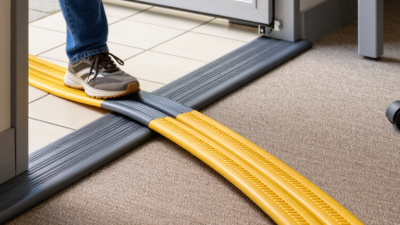
Busy walkways need a tougher choice. For a shop, event space, or shared corridor, look for a sturdy ramp-style cover with a slip-resistant top and enough room for the cables. Check its stated load capacity rather than judging by appearance. A bright, visible color can help people spot it, though it may look out of place in a quiet room. That trade-off is real.
Outdoor use calls for different checks. Choose a cover rated for the conditions where it will be placed, such as sunlight or moisture, and follow its installation instructions. Keep connectors protected, and avoid sharp bends inside the channel. I used to think the neatest cover was automatically the best one. Not quite. Easy access matters when a cable needs inspection or replacement, so consider how often the setup may change.