2026 Best Cable Cover for Indoor and Outdoor Use?
A reliable cable cover should do more than hide loose wires. It should protect them from foot traffic, chair wheels, dust, and occasional bumps without creating a new trip hazard. For indoor spaces, a low-profile cover may blend neatly along a baseboard or across a doorway. Outdoors, the choice becomes more demanding. Sunlight, rain, temperature changes, and rough surfaces can affect how well a cover performs over time.
Small details matter. Check the cable’s size, the route people or equipment will cross, and whether the cover can stay in place on the surface. A cover that looks sturdy in a product photo may still shift on a slick floor. That deserves a second look. This guide compares options for home offices, workshops, patios, and other everyday settings, with attention to fit, materials, installation, and maintenance. It also points out where a product’s claims need closer checking.
A named expert quotation was not provided, and I cannot verify one from the supplied material. Rather than inventing an attribution, this introduction avoids presenting an unsupported quote as fact. Share a verifiable expert name and quotation, and it can be incorporated accurately.
What Cable Covers Are and How They Protect Exposed Wires
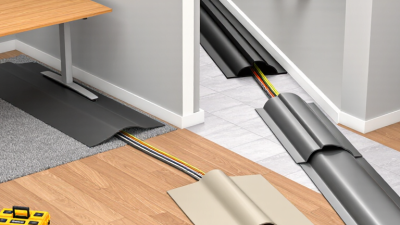
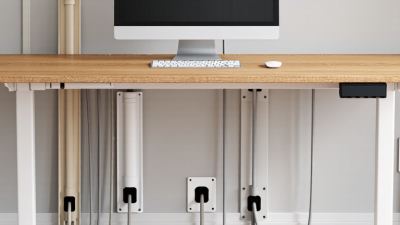
A cable cover is a protective channel that holds exposed wires against a wall, floor, or work surface. It helps reduce snagging, abrasion, and accidental contact. In a hallway, for example, a low-profile floor cover can keep a loose extension cord from catching shoes or vacuum wheels. On a desk, a wall-mounted channel can guide charging cables away from chair legs.
Protection depends on the cover’s design and placement. Indoor models may suit dry rooms, while outdoor use calls for a product specifically rated for weather and sunlight.
A cover does not repair damaged insulation or make an unsuitable cable safe. Check that wires fit without being squeezed, and inspect the route for sharp bends, heat sources, and damp spots.
Small details matter. It is easy to assume any plastic channel will do; that assumption can be wrong. Keep connectors accessible when practical, and follow the cover and cable makers’ installation guidance. A tidy route is useful, but it should not hide wear that needs attention.
Common Cable Cover Types for Indoor and Outdoor Settings
2026 Best Cable Cover for Indoor and Outdoor Use?
Common Cable Cover Types for Indoor and Outdoor Settings
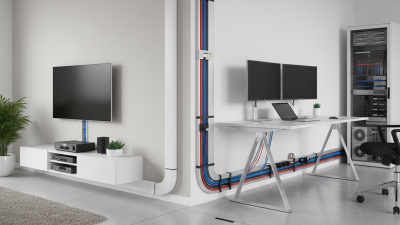
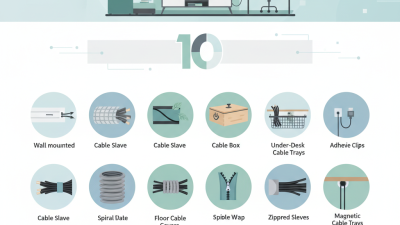
Indoor adhesive raceways suit cables running along clean walls, baseboards, or desk edges. Their slim channels hide wires and reduce snags, but dust or textured paint can weaken the adhesive. Measure the route before cutting; a tight bend may prevent the lid from closing. Small detail, big annoyance.
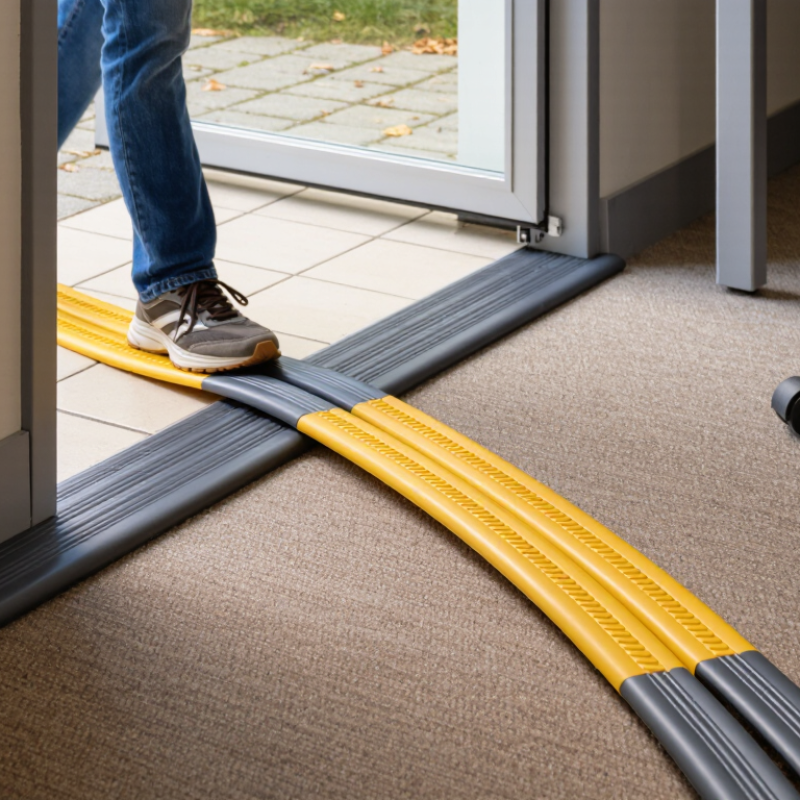
Flexible split tubing bundles several cords and helps protect them from rubbing against furniture. It is useful behind a computer or television, though it does not create a sealed barrier. For cables crossing a walkway, use a low-profile floor cover with a non-slip base. Check its stated load rating, especially where carts or chairs roll over it. Not every cover is built for heavy traffic.
Outdoor settings need materials rated for sunlight and moisture. UV-resistant conduit can shield fixed runs along a wall, while weather-resistant cable covers may suit temporary routes across patios or driveways. Ratings matter: “outdoor” does not automatically mean waterproof or suitable for vehicle traffic. Keep connectors raised from puddles, follow the product’s installation instructions, and avoid trapping heat around cables. A tidy route can still be poorly protected if its ends remain exposed. There is no perfect type; the location and cable use should guide the choice.
How to Compare Cable Covers by Material, Size, and Capacity
2026 Best Cable Cover for Indoor and Outdoor Use?
How to Compare Cable Covers by Material, Size, and Capacity
Material choice depends on where the cover will sit. For a dry office, rigid PVC can keep loose power and data cables contained and is easy to wipe clean. In a garage or on a patio, look for rubber or TPE with stated UV, moisture, and temperature ratings. “Outdoor” on a label is not enough; check the product’s conditions of use. Small details matter.
Measure the cable bundle, not just one cord. Compare its outside diameter with the channel’s usable width and height, then leave room for bends and removal. A tight bundle can be difficult to fit and may press against the cover. A neat-looking fit can still be wrong. Check the manufacturer’s capacity guidance, especially when mixing thick power cords with thinner data cables.
For routes people walk across, consider profile and edge transitions as well as capacity. The U.S. Access Board’s ADA Standards for Accessible Design allow vertical changes in level up to 1/4 inch; changes from 1/4 to 1/2 inch require a bevel no steeper than 1:2. These are accessibility criteria, not cable-cover certification, but they offer useful context when assessing trip transitions. Measure the installed height, including the cable. I still recheck it after fitting.
How to Install and Maintain Cable Covers in Different Environments
Indoor installation begins with a dry fit. Measure the route from the outlet to the device, then cut the cover slightly shorter than the wall edge. Clean the surface with a cloth and let it dry fully. Dry it fully. Dust or moisture can weaken adhesive and cause corners to lift. For uneven walls, use suitable screws only where the surface and hidden wiring allow safe fastening.
Route cables loosely inside the channel; don’t force thick cords under a shallow cover. Keep plugs and connections accessible, and avoid sharp bends near either end. Check that doors, drawers, and furniture won’t press on the cover. A neat line matters, but safe clearance matters more.
Outdoor covers face sun, rain, temperature changes, and grit. Choose a product specifically rated for the exposure, and follow its installation instructions; “weather-resistant” does not always mean waterproof. Mount it above standing water where practical, and seal entry points only as the manufacturer directs. Small detail, big difference. Inspect after storms and during seasonal cleaning. Look for cracked plastic, loose fasteners, trapped water, or cables that feel unusually warm. Wipe away dirt with a damp cloth, then dry the channel. Don’t keep covering damaged or overheating cables; stop using them and seek qualified electrical help. Even careful installations can look slightly uneven over time, so check the route and fittings rather than assuming the cover will stay secure forever.