What Is Cable Wire and Which Type Do You Need?
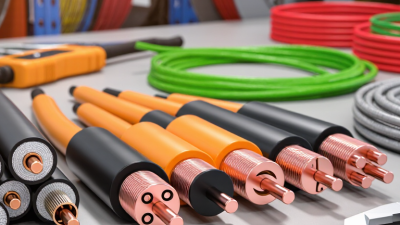
Cable wire is easy to overlook until a warm outlet, flickering light, or failed machine exposes the wrong choice. Behind every reliable circuit sits a careful match between conductor material, insulation, voltage, temperature, flexibility, and installation environment. A copper wire inside a dry wall does not face the same demands as an aluminum cable buried outdoors or a flexible cable beside moving equipment.
The International Energy Agency reports that annual grid investment must rise to more than 600 billion dollars by 2030 to support electrification and renewable power. That expansion increases demand for dependable conductors, but market growth does not make selection simpler. The International Copper Study Group also identifies electricity networks and clean-energy systems as major copper-demand drivers. These figures show scale, not suitability.
Cable engineer George J. Anders emphasizes, “Cable ampacity is not a single number; it depends on installation conditions.” That principle deserves attention. A cable’s printed rating can change with grouping, airflow, ambient heat, and burial depth. Standards such as IEC 60228 and the National Electrical Code provide valuable guidance, yet they cannot replace site-specific judgment.
This guide explains common cable wire types, including copper, aluminum, solid, stranded, shielded, and armored designs. It connects technical ratings with practical decisions. Some choices still involve trade-offs. The cheapest cable may create higher losses, difficult termination, or early replacement. Even experienced buyers can miss one detail: the installation environment. That detail often decides whether a cable performs safely for years or becomes a hidden weakness.
What Cable Wire Is and How It Carries Signals or Power
What Is Cable Wire and Which Type Do You Need?
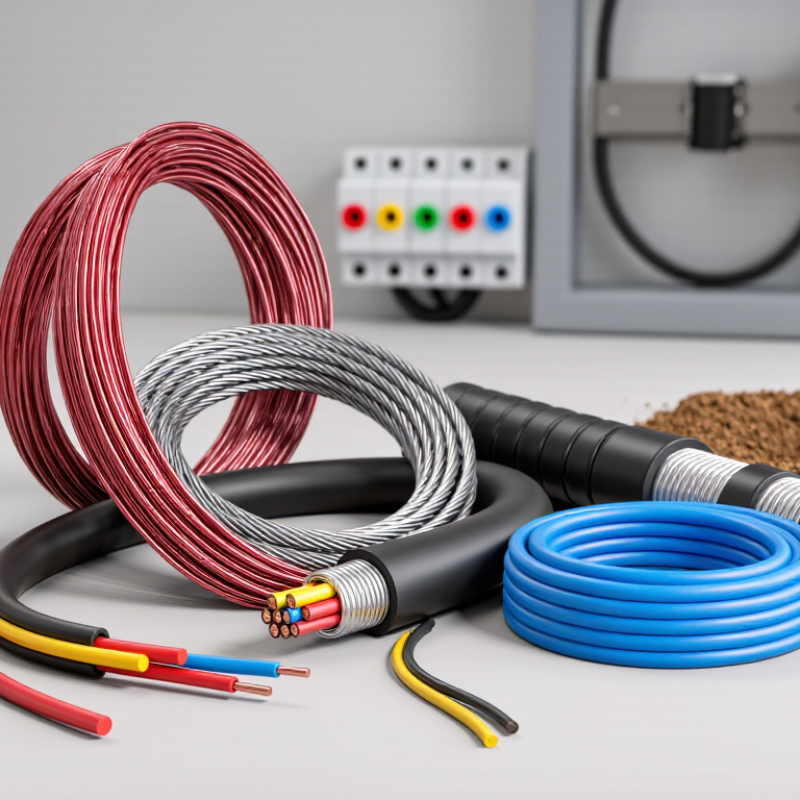
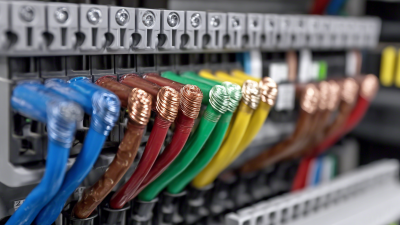
Cable wire is a conductor or group of conductors that carries electrical power or information. A single wire usually contains one metal path, while a cable bundles several insulated wires inside an outer jacket. Copper is common because it conducts efficiently and remains practical for many installations. Some cables use aluminum, which is lighter but needs careful connection design.
Power cables move electrical current to equipment, lights, or motors. Their conductor size matters because thin wire can heat under excessive load. Insulation must also match the working voltage, temperature, moisture, and installation environment. I have seen avoidable faults caused by choosing a cable based only on appearance. It may look strong and still be unsuitable.
Signal cables carry data, audio, control pulses, or measurement readings. Twisted conductors help reduce electromagnetic interference, while shielding can protect weak signals in noisy areas. Coaxial cables guide high-frequency signals through a central conductor and surrounding shield. Fiber cables use light instead of electrical current, allowing fast transmission over long distances with less interference.
Check the voltage, current, frequency, distance, and connector type before buying. Measure twice. A longer run can weaken signals and increase voltage drop, so calculations are important. Local electrical rules should guide fixed installations. Even experienced technicians can overlook heat buildup inside crowded conduits. That small mistake deserves attention.
The Main Parts and Materials Used in Cable Wire
Cable wire is built in layers, and each layer has a practical job. The conductor carries electrical current or signals. Copper is widely used because it bends easily and offers low resistance. Aluminum weighs less, although it usually needs a larger cross-section for similar performance. In real installation work, flexibility can matter as much as conductivity. A stiff conductor may resist clean routing.
Insulation surrounds the conductor and prevents unwanted contact. Common insulation materials include PVC, polyethylene, and cross-linked polyethylene. Each material handles heat, moisture, chemicals, and bending differently.
Some cables also contain a shield made from foil, braided metal, or both. This layer reduces electromagnetic interference near motors, power supplies, and communication equipment. A drain wire can help connect the shield to ground. It is small but important.
Several insulated conductors may sit inside one outer jacket, creating a complete cable. Fillers can keep the internal parts centered and reduce movement during bending. The jacket protects against abrasion, sunlight, moisture, or oil. Flexible designs may use rubber-like materials, while fixed installations often use tougher plastics. Choosing only by conductor size is a common mistake. Installation space, temperature, movement, and exposure should also guide the decision. The boundary between “best” and “good enough” is not always clear. I have seen neatly sized cables fail early because their jackets faced conditions the designer overlooked. Even a technically correct material can perform poorly when the environment is misunderstood.
Common Cable Wire Types and Their Specific Applications
What Is Cable Wire and Which Type Do You Need?
Cable wire is not a single product. Its design depends on voltage, signal quality, distance, movement, and installation conditions. Power cables carry electrical energy in buildings, factories, and charging systems. Control cables connect sensors, switches, and industrial equipment. Their smaller conductors suit low-current signals, not heavy loads.
Twisted-pair cable remains common for Ethernet networks. Its copper pairs reduce electromagnetic interference, while shielded versions work better near motors or variable-speed drives. ISO/IEC 11801 provides structured-cabling requirements for these installations. Coaxial cable still serves antennas, cameras, and radio-frequency systems because its layered shield limits signal loss. Fiber-optic cable uses light instead of copper. It supports long distances and high bandwidth, especially between data centers. TeleGeography’s 2024 Global Bandwidth Research Service reported continued growth in international internet capacity, increasing pressure on reliable fiber infrastructure.
Outdoor and underground projects need tougher choices. Armored power cable resists crushing, while flexible cable suits moving machinery and robotic equipment. Charging applications also require durable insulation and temperature control. The International Energy Agency’s Global EV Outlook 2024 expected more than 17 million electric cars to be sold worldwide that year. That growth increases demand for suitable charging cables, but one cable cannot fit every installation. I have seen selection mistakes begin with diameter alone. It matters, but conductor size, insulation rating, bending radius, shielding, and local electrical codes matter more. A product can look robust and still fail in heat, moisture, or repeated movement.
How to Choose the Right Cable Wire for Your Requirements
What Is Cable Wire and Which Type Do You Need?
Cable wire carries electrical power or signals through one or more conductors. A cable may contain insulation, shielding, and an outer jacket. Wire often means a single conductor, although everyday usage overlaps. The right choice depends on current, voltage, environment, movement, and installation method. Copper offers excellent conductivity and easy termination. Aluminum is lighter, but it requires correctly rated connectors and careful installation. Small detail, big consequence.
Start with the load. Check the equipment’s rated current, starting current, and voltage before selecting conductor size. Undersized wire can overheat, while oversized cable may waste money and resist clean routing. Use the applicable electrical code and a qualified electrician for fixed building wiring. For data or control circuits, confirm impedance, bandwidth, and signal distance. A cable that works on a workbench may fail beside motors or fluorescent lighting. Shielding is easy to ignore. That shortcut can be wrong.
Match the jacket to the surroundings. Outdoor runs may need sunlight and moisture resistance, while industrial areas may require oil or abrasion resistance. Flexible equipment needs finely stranded cable; stationary runs often use solid or standard stranded conductors. Measure the route, leave service slack, and verify terminal compatibility. Do not choose by appearance alone. Temperature ratings are often overlooked inside crowded enclosures. Local conditions can change the answer.
What Is Cable Wire and Which Type Do You Need?
Use conductor size, insulation rating, installation method, voltage, flexibility, and environmental conditions to choose the right cable wire for your requirements.
Reference data: approximate ampacity for copper conductors with 70°C PVC insulation, installed in conduit at 30°C ambient temperature with two loaded conductors. Actual allowable current depends on local electrical codes, cable construction, ambient temperature, grouping, installation method, and voltage drop.
Flexible Wire
Best for appliances, control panels, portable equipment, and applications requiring frequent movement.
Building Wire
Designed for fixed wiring in buildings, distribution boards, conduits, and cable trays.
Power Cable
Used for higher-load circuits. Select the conductor size after checking current, voltage drop, short-circuit rating, and installation conditions.
Control and Signal Cable
Suitable for sensors, instrumentation, automation, and low-current communication or control circuits.
How to Choose
First determine the circuit voltage and maximum load current. Then choose a conductor size that satisfies ampacity and voltage-drop limits. Select insulation and cable construction according to temperature, moisture, sunlight, chemicals, mechanical stress, and whether the cable is fixed or flexible. Always confirm the final selection with the applicable electrical code and the cable manufacturer’s datasheet.
Safety, Installation, and Maintenance Considerations
Wire usually means one insulated conductor. Cable combines two or more conductors under one jacket. The correct choice depends on current, voltage, location, and installation method. A larger conductor is not automatically safer. Its insulation must also match heat, moisture, sunlight, and mechanical stress. NFPA’s Home Structure Fires report, covering 2016–2020, found electrical distribution and lighting equipment involved in 32% of reported home structure fires.
Safety begins with sizing. Check the equipment load, conductor ampacity, overcurrent protection, and grounding path. Never place a cable under a carpet, inside a sharp metal opening, or near excessive heat without suitable protection. OSHA 29 CFR 1910.305 requires proper guarding, support, and protection for many workplace wiring installations. Local electrical rules may add stricter requirements. A qualified electrician should verify concealed or high-load circuits.
Installation quality matters more than a neat appearance. Keep bends gentle, tighten terminals correctly, and leave no exposed copper. During maintenance, inspect cracked jackets, warm outlets, discoloration, buzzing, and repeated breaker trips. De-energize the circuit before inspection. Use a properly rated tester, not guesswork. One uncomfortable truth: many failures begin with small shortcuts. A loose terminal may look harmless for months. It can later create heat inside a wall. I would document cable type, circuit rating, test results, and inspection dates. Records are easy to skip, but memory is unreliable.
Related Posts
-
What Are the 2026 Top Cable Wire Types for Global Buyers?
-
How to Choose the Right Electric Wire for Global Sourcing?
-

2026 Top Cable Wire Types and Their Best Applications?
-
Top China Electric Wire Suppliers for Global Buyers?
-
China Top 10 Wire Cable Manufacturers for Global Buyers
-
What is Electric Wire and Why You Need to Choose the Right Type for Your Projects