China Top 10 Wire Cable Manufacturers for Global Buyers
Choosing a reliable wire cable manufacturer requires more than comparing prices on a supplier website. Global buyers must examine production capacity, material quality, testing procedures, delivery performance, and after-sales support. A polished catalog can hide important differences.
This guide introduces China’s top 10 wire cable manufacturers for international buyers. It focuses on practical evidence, including factory experience, product categories, quality systems, export records, and application expertise. The selected companies may serve construction, power transmission, telecommunications, industrial automation, renewable energy, and specialized equipment markets. Their products can include power cables, control cables, coaxial cables, fiber optic cables, and flexible industrial wiring.
Quality begins with materials.
Copper purity matters. Insulation consistency matters too. So do temperature ratings, flame resistance, bending performance, and conductor design. Buyers should request technical datasheets, sample reports, third-party test results, and relevant certifications before placing substantial orders. Local and destination-country standards may differ, so technical compliance requires careful verification.
This article does not treat company size as proof of reliability. Large factories can still have communication gaps. Smaller manufacturers may offer stronger customization and closer support. That distinction is easy to miss.
The ranking is therefore a practical reference, not an absolute verdict. Supplier capabilities can change with equipment, management, raw material markets, and international demand. Buyers should conduct independent due diligence, confirm lead times, inspect samples, and clarify warranty terms. A manufacturer that fits one project may fail another. Careful comparison remains essential.
What Defines a Leading Wire and Cable Manufacturer in China
China Top 10 Wire Cable Manufacturers for Global Buyers
What Defines a Leading Wire and Cable Manufacturer in China
A leading wire and cable manufacturer is not defined by factory size alone. Global buyers need evidence of stable quality, technical control, and dependable communication. Experienced engineers should understand conductor resistance, insulation thickness, voltage ratings, and operating environments. They should also recommend suitable materials for heat, moisture, vibration, or outdoor exposure.
Testing must be visible and repeatable. A reliable factory can provide production records, material certificates, and batch traceability. Its laboratory may check tensile strength, elongation, insulation resistance, and spark-test performance. Samples should match mass production. That point matters. Clear drawings, approved samples, and inspection plans reduce costly misunderstandings. Compliance with applicable international standards also shows professional discipline, but certificates alone are not enough.
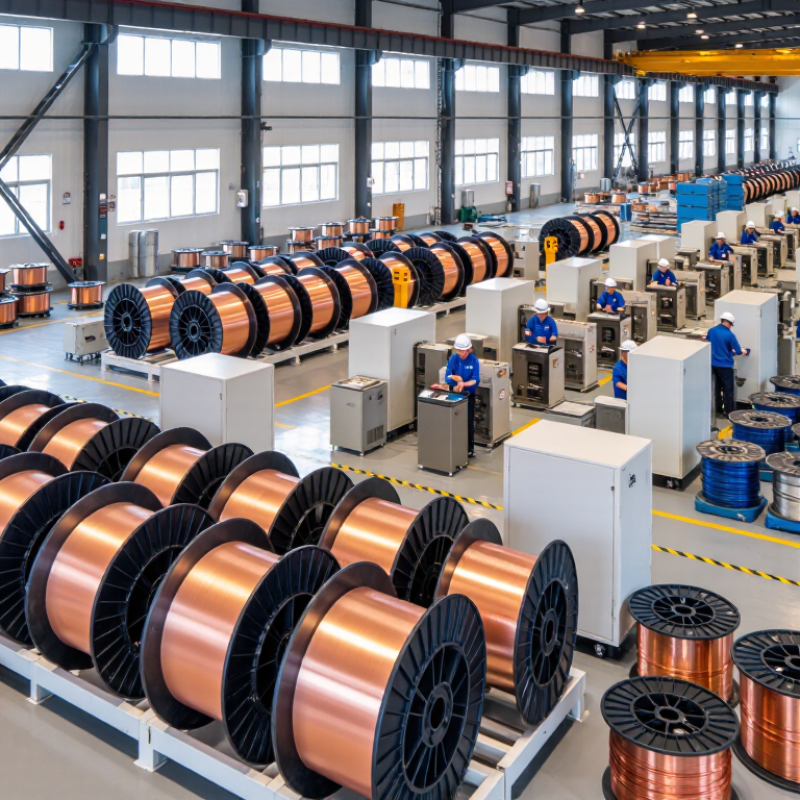
In supplier evaluations, I look closely at process details. Are copper reels labeled clearly? Are cable drums protected from water? Can the team explain a failed test without avoiding responsibility? These practical answers reveal more than polished presentations. I have seen capable factories lose trust through slow replies or unclear packing records. No factory is perfect. Even strong manufacturers may need to improve forecasting, documentation, or after-sales support. Buyers should review corrective-action reports, audit production areas, and test samples independently before placing large orders. A competitive price helps, but consistent delivery protects the project.
Key Criteria for Comparing China’s Top Wire and Cable Companies
For global buyers, comparing China’s top wire and cable manufacturers requires more than checking export prices. The IEA Electricity 2024 report forecasts global electricity demand will grow by an average of 3.4% annually through 2026. This expansion increases demand for reliable power, control, data, and renewable-energy cables.
Start with technical scope. Check conductor material, insulation compound, voltage class, temperature rating, and fire performance. Request test reports linked to IEC standards, not general statements. Verify whether the factory controls drawing, stranding, extrusion, and final testing in-house. A complete production trail matters.
Look closely at quality evidence. ISO 9001 supports process control, but it does not guarantee every shipment. Ask for routine-test records, batch traceability, and independent inspection options. The International Trade Centre’s HS 8544 trade data can help compare export scale, but trade value alone may reflect volume, copper prices, or product mix.
Supply resilience deserves equal attention. Examine copper or aluminium purchasing practices, lead times, packaging, port experience, and replacement procedures. Confirm whether quoted delivery includes testing and export documentation. Ask for a sample before a large order.
Small details reveal experience.
A useful comparison sheet should score technical compliance, consistency, communication, and total delivered cost. That last category is often underestimated. Freight, duties, testing, installation loss, and warranty handling can change the original price substantially. I would also record unresolved questions. They may expose weak documentation, or simply show where the buyer needs clearer specifications.
China Top 10 Wire Cable Manufacturers for Global Buyers
Key criteria for comparing China’s top wire and cable companies
This buyer-oriented benchmark assigns 100 percentage points across the main criteria commonly used when evaluating Chinese wire and cable suppliers. Product compliance and quality assurance receive the highest weighting because international projects typically require verified standards, consistent materials, traceability, and reliable testing documentation.
China’s Top 10 Wire and Cable Manufacturers for Global Buyers
China’s wire and cable industry supports power grids, factories, rail systems, data centers, and renewable projects. Grand View Research valued the global wire and cable market at about USD 216.36 billion in 2022. It also forecasts a 4.2% compound annual growth rate through 2030. This demand encourages Chinese manufacturers to expand product ranges and testing capabilities.
For global buyers, the top ten should be assessed through measurable evidence. Check factory audits, ISO 9001 systems, type-test certificates, copper purity, insulation thickness, and delivery records. The International Energy Agency’s Electricity 2024 report expects global electricity demand to grow by around 4% annually from 2024 to 2026. That growth increases pressure on suppliers to deliver stable quality, especially for medium-voltage and renewable-energy cables.
I would not trust a ranking based only on export volume. A better review compares conductor resistance, flame performance, bending strength, and batch traceability. Ask for recent inspection records. Request samples from different production lots.
Small details matter, such as clear meter markings and sealed wooden drums. A low price can hide thinner insulation or inconsistent copper content. That risk deserves attention. Even experienced buyers can overlook local certification differences, changing project specifications, or after-sales response times. Trade data can show scale, but it cannot fully prove manufacturing discipline.
Product Range, Industry Applications, and Export Capabilities
China Top 10 Wire Cable Manufacturers for Global Buyers
A practical Top 10 list should assess product range, testing depth, and export experience. No ranking is perfect. Application fit matters more than factory scale. The IEA’s Electricity 2024 report forecasts global electricity demand growth of about 4% in 2024 and 2025. This supports demand for power, control, and renewable-energy cables.
Leading Chinese manufacturers commonly supply low-, medium-, and high-voltage cables, including copper or aluminum conductors, XLPE insulation, armored designs, flexible cables, and low-smoke zero-halogen options. Their products serve substations, solar farms, wind projects, rail systems, industrial automation, buildings, and data facilities. The Global Wind Energy Council reported 117 GW of new wind capacity in 2023. Cable suppliers must therefore support outdoor durability, bending cycles, fire performance, and stable long-distance transmission. Product brochures alone are not enough.
Tips: Request complete test reports, conductor resistance values, voltage ratings, and factory inspection records. Check whether documents match IEC or equivalent project standards. Ask for samples. Small details expose weak quality.
Export capability also depends on packaging, lead times, multilingual documentation, and traceable batch numbers. Experienced suppliers can prepare certificates of origin, commercial invoices, packing lists, and routine test records. Yet buyers should review actual delivery history, not only claimed annual capacity. A missed shipment can delay an entire installation. Independent inspections remain useful, especially for custom constructions or large orders.
| Rank | Manufacturer Profile | Core Product Range | Conductor and Insulation Options | Typical Voltage Range | Primary Industry Applications | Relevant Standards and Testing | Export Capabilities | Common Shipping Formats |
|---|---|---|---|---|---|---|---|---|
| 1 | Profile 01 Power Transmission Specialist |
Medium-voltage power cable High-voltage cable Overhead conductors Submarine power cable | Copper or aluminium conductors; XLPE insulation; PVC, PE, or LSZH outer sheaths; optional water-blocking layers and metallic screens. | Commonly from 1 kV to 35 kV for distribution products; selected cable systems may cover 66 kV to 500 kV. | Utility grids, renewable-energy collection systems, substations, industrial plants, rail electrification, and underground distribution. | IEC 60502-1, IEC 60502-2, IEC 60840, IEC 62067, and project-specific utility testing such as partial-discharge and withstand tests. | Supports technical submittals, type-test documentation, customized drum lengths, wooden or steel drums, and containerized project shipments. | Export wooden drums, steel drums, reels, and sealed container loads; suitable for long-distance sea freight. |
| 2 | Profile 02 Building Wire and Low-Voltage Cable Specialist |
Building wire Flexible cable Control cable Fire-resistant cable | Bare, tinned, or annealed copper; PVC, XLPE, rubber, or LSZH insulation; single-core, multi-core, stranded, and flexible constructions. | Generally 300/500 V, 450/750 V, and 0.6/1 kV products, depending on construction and destination-market requirements. | Residential and commercial buildings, panel wiring, lighting circuits, HVAC systems, machinery, elevators, and fire-alarm installations. | IEC 60227, IEC 60228, IEC 60332, IEC 60502-1, EN 50525, and destination-market flame, smoke, and conductor-resistance tests. | Suitable for private-label packaging, multilingual labels, batch traceability, sample approval, and mixed-SKU export orders. | Coils, cartons, plastic reels, plywood reels, and shrink-wrapped bundles for distributor and project shipments. |
| 3 | Profile 03 Renewable Energy Cable Specialist |
Solar photovoltaic cable Wind-farm cable Battery cable Energy-storage cable | Tinned copper conductors; cross-linked polyolefin or XLPE insulation; UV-resistant, ozone-resistant, halogen-free, and weather-resistant jackets. | Common photovoltaic cable ratings include 1.0/1.0 kV AC and 1.5 kV DC; other renewable-energy cables are selected according to system design. | Solar modules, photovoltaic arrays, combiner boxes, inverters, battery systems, wind turbines, and renewable-energy substations. | EN 50618, IEC 62930, IEC 60228, IEC 60332, IEC 60811, and tests for UV exposure, thermal endurance, bending, and insulation resistance. | Offers pre-cut lengths, connector-compatible assemblies, color coding, custom printing, export cartons, and documentation for solar projects. | Coils, cartons, reels, and palletized cartons; compact packaging is available for photovoltaic installation distributors. |
| 4 | Profile 04 Industrial Control and Instrumentation Specialist |
Control cable Instrumentation cable Data cable Armoured control cable | Copper conductors with PVC, PE, XLPE, or LSZH insulation; individually screened, collectively screened, twisted-pair, and multi-pair designs. | Typically low-voltage control and signal circuits up to 1 kV; data and instrumentation products are selected by signal and system requirements. | Process automation, oil and gas facilities, chemical plants, water treatment, factory automation, building management, and control cabinets. | IEC 60228, IEC 60332, IEC 60754, IEC 61034, EN 50288, and electrical screening, capacitance, attenuation, and insulation tests. | Provides cable schedules, core identification, shield specifications, custom outer-jacket printing, and project-based documentation packages. | Plastic reels, plywood drums, cartons, coils, and moisture-protected export pallets. |
| 5 | Profile 05 Mining and Heavy-Duty Cable Specialist |
Mining cable Trailing cable Armoured power cable Welding cable | Flexible copper conductors; rubber, EPR, or heavy-duty thermoplastic insulation; steel-wire armour, braided armour, and reinforced jackets. | Low- and medium-voltage products commonly cover up to 35 kV, subject to the cable design, mining method, and local regulations. | Underground mines, open-pit mines, quarry equipment, conveyors, drilling machinery, cranes, welding equipment, and heavy mobile machinery. | IEC 60245, IEC 60502, IEC 60332, relevant mining approval requirements, abrasion testing, flexing tests, and impact-resistance tests. | Handles customized bend radius, tensile requirements, conductor configurations, drum lengths, and technical approvals for industrial buyers. | Heavy-duty wooden drums, steel reels, protective crates, and reinforced pallets for project and equipment shipments. |
| 6 | Profile 06 Specialty Fire and Safety Cable Specialist |
Fire-resistant cable Fire-alarm cable Emergency-power cable LSZH cable | Copper conductors with mica-based fire barriers, XLPE, silicone rubber, mineral insulation, LSZH compounds, or low-smoke jackets. | Commonly 300/500 V, 450/750 V, 0.6/1 kV, and selected higher-voltage emergency-power constructions. | Hospitals, airports, tunnels, high-rise buildings, data centers, public transport, emergency lighting, fire pumps, and evacuation systems. | IEC 60331, IEC 60332, IEC 60754, IEC 61034, EN 50200, and circuit-integrity, flame-retardance, smoke, and halogen-acid-gas tests. | Supports compliance files, batch test reports, fire-performance documentation, custom markings, and project-specific packaging. | Coils, cartons, reels, and sealed pallets with moisture and abrasion protection. |
| 7 | Profile 07 Marine and Offshore Cable Specialist |
Marine power cable Shipboard cable Offshore control cable Marine instrumentation cable | Tinned or plain copper; XLPE, EPR, or elastomeric insulation; LSZH, oil-resistant, mud-resistant, and flame-retardant sheaths. | Commonly low-voltage and medium-voltage shipboard systems, with ratings selected according to vessel design and classification requirements. | Commercial vessels, offshore platforms, marine power systems, shipbuilding, ports, floating production units, and offshore wind installations. | IEC 60092 series, IEC 60332, IEC 60754, IEC 61034, and classification-society requirements for flame, smoke, oil, and mechanical performance. | Experienced in marine documentation, classification submissions, batch identification, customized lengths, and corrosion-resistant packaging. | Plywood drums, steel drums, coils, sealed cartons, and export pallets suitable for port-to-port transportation. |
| 8 | Profile 08 Telecommunication and Data Cable Specialist |
LAN cable Fiber-optic cable Coaxial cable Telecom outside-plant cable | Copper twisted pairs, optical fibers, polyethylene jackets, LSZH jackets, gel-filled or dry water-blocking designs, and armoured options. | Signal and communication cables are specified by bandwidth, impedance, category, fiber type, and network architecture rather than power voltage. | Data centers, enterprise networks, broadband access, 5G infrastructure, security systems, industrial networks, and telecom backbone routes. | ISO/IEC 11801, IEC 61156, IEC 60794, IEC 60332, TIA-568, optical attenuation testing, return-loss testing, and insertion-loss testing. | Provides custom jacket colors, sequential meter marking, fiber counts, connectorized assemblies, reel schedules, and export-ready labels. | Fiber reels, plywood drums, pull boxes, cartons, and moisture-protected pallets. |
| 9 | Profile 09 Automotive and Equipment Wire Specialist |
Automotive primary wire Battery cable Harness wire Appliance wire | Stranded copper or tinned copper; thin-wall PVC, cross-linked polyolefin, XLPE, silicone, or high-temperature insulation. | Usually low-voltage systems up to 60 V for vehicle circuits, with selected high-voltage products designed for electric-vehicle battery and drive systems. | Passenger vehicles, commercial vehicles, electric vehicles, motorcycles, agricultural equipment, appliances, and industrial control panels. | ISO 6722, SAE J1128, ISO 19642, IEC 60228, flame-retardance testing, temperature cycling, abrasion, oil, and chemical-resistance tests. | Supports custom gauges, insulation colors, conductor stranding, print marking, cut lengths, harness components, and just-in-time packaging. | Reels, returnable spools, cartons, coils, and palletized material for OEM and component-distributor supply chains. |
| 10 | Profile 10 Overhead Conductor and Bare Wire Specialist |
AAC conductor AAAC conductor ACSR conductor Bare copper wire | Aluminium, aluminium alloy, galvanized steel-reinforced aluminium, hard-drawn copper, and compact or concentric stranded constructions. | Designed for overhead distribution and transmission systems; operating voltage is determined by the line design, tower configuration, and utility specification. | Utility distribution, transmission lines, railway traction, substations, rural electrification, and renewable-energy grid connections. | IEC 61089, ASTM B232, ASTM B399, ASTM B231, IEC 60228, dimensional checks, tensile testing, resistance testing, and lay-length inspection. | Suitable for utility tenders, conductor size customization, drum-length planning, factory inspection, and export documentation for infrastructure projects. | Heavy-duty returnable drums, steel drums, wooden drums, and reinforced containerized shipments. |

How Global Buyers Can Select the Right Chinese Cable Supplier
Selecting a Chinese cable supplier requires more than comparing prices. In practice, I check conductor material, insulation type, voltage rating, and production capacity. Ask for recent test reports, not only certificates uploaded online. Confirm whether an accredited laboratory issued them. A reliable supplier should explain standards clearly and match them to the destination market.
Request a sample before signing a large order. Inspect its diameter, flexibility, printing, packaging, and measured resistance. Keep one sealed sample for later comparison. Factory visits can reveal storage conditions, testing equipment, and cable handling procedures. A polished website proves little. Traceability matters more. Ask how the supplier records raw materials, production batches, and final inspections.
Clear communication prevents expensive surprises. Confirm minimum order quantities, lead times, payment terms, export documents, and inspection responsibilities in writing. Discuss acceptable tolerances before production begins. A third-party inspection may be worthwhile for large shipments. Check warranty coverage and the process for handling defective cable. I have seen buyers focus heavily on unit price and overlook inconsistent packaging or delayed documents. That decision often costs more later. No supplier is perfect, and the first sample may expose weaknesses. The important question is whether the factory responds with evidence, corrective action, and a practical delivery plan.
Related Posts
-
How to Choose the Right Wire Cable in 2026?
-
Top Electric Products to Boost Your Business Growth?
-
What Are the Top Home Electrical Products to Buy?
-
What is Cable Management Systems? Benefits and Best Practices Explained
-
Why Cable Management is Essential for a Tidy and Efficient Work Environment
-
The Ultimate Guide to Effective Cable Management Strategies for a Tidy Workspace