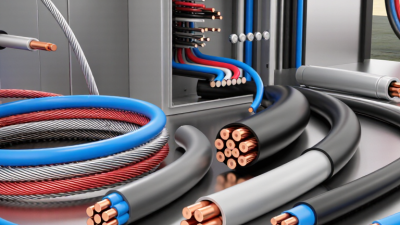
What Are the Top 10 Types of Cable and Wire?
Cable and wire rarely attract attention until a pump stops, a data link drops, or a building’s lights go dark. Yet choosing the right type affects safety, efficiency, durability, and cost. The International Energy Agency’s 2023 report, Electricity Grids and Secure Energy Transitions, says more than 80 million kilometres of grids may need to be added or refurbished by 2040. It also estimates annual grid investment must rise above USD 600 billion by 2030. These figures describe power networks, not the entire cable market, but they show the scale of the infrastructure challenge. Fatih Birol, the IEA’s Executive Director, has put the broader shift plainly: “The future of energy is electricity.” That makes understanding cable applications more than a purchasing exercise.
This guide compares ten common types, from building wire and power cable to coaxial, fiber-optic, and control cable. Each serves a different job. Copper conductors carry current; fiber strands carry light through a glass core. A thick outdoor jacket may resist moisture, while a tightly screened cable can reduce electrical interference. Small details matter. A neat ranking can mislead, though: no single cable is best for every voltage, environment, or installation. Product specifications and qualified professional advice should guide real projects. The overview that follows aims to clarify the distinctions, while recognizing that naming conventions and product designs can vary by region and manufacturer. Some categories overlap. That is worth checking before comparing prices or performance claims.
How Cable and Wire Are Defined and Classified
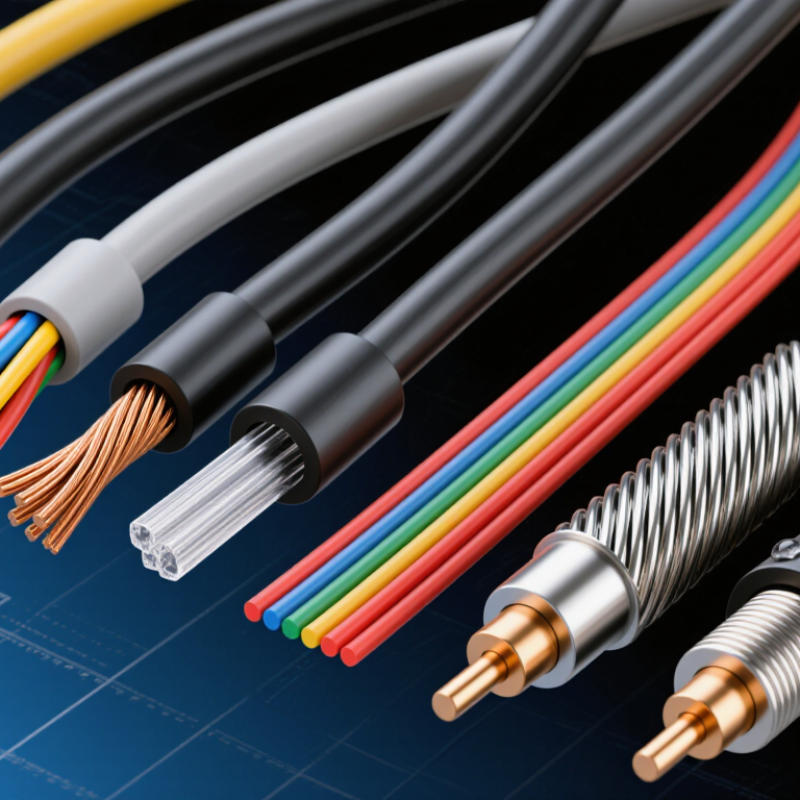
Wire usually refers to one electrical conductor, either solid or made from fine strands. Cable generally groups two or more conductors inside an outer sheath, though industry usage varies. That distinction matters. A single insulated conductor may still be called a cable in some settings, so the product label alone may not explain its construction.
Classification starts with the conductor: copper or aluminum, solid or stranded. Insulation and sheath materials form another category, chosen for conditions such as heat, moisture, abrasion, or chemical exposure. Voltage rating also separates products designed for low-voltage controls from those intended for power distribution. Check the rating printed on the jacket; appearance is not enough.
Construction and intended use provide further clues. A coaxial cable has a central conductor and layered shielding, while a twisted pair uses two conductors wound together to reduce interference. Fiber-optic cable carries light rather than electrical current. Flexible cords use fine strands for movement, while building wire is selected for fixed installation. The categories can overlap. Not always. A cable may be classified by its conductor, insulation, voltage, or application, depending on the question. Careful comparison of these features gives a clearer picture than relying on a short name.
The Top 10 Types of Cable and Wire
The top ten types serve different jobs. Nonmetallic-sheathed cable is common for dry, indoor building circuits. Underground feeder cable is designed for approved outdoor and underground installations. THHN/THWN-2 conductors are often pulled through conduit. Coaxial cable carries television and radio-frequency signals. Twisted-pair Ethernet cable connects network devices and can carry data over long runs.
Fiber-optic cable sends information as light, making it useful for fast data links. USB cables connect and charge many electronic devices. HDMI cables carry digital video and audio between compatible equipment. Speaker wire carries audio signals to speakers. Flexible cord powers portable tools and appliances. These categories are not interchangeable. I still double-check the label, because similar-looking cables can have very different ratings.
Tips: Match the cable to its location, load, and equipment. Check conductor size, insulation, temperature rating, and moisture exposure before buying. For permanent electrical wiring, follow local requirements and consult a qualified electrician when unsure. A neat coil helps, but correct specifications matter more.
How Each Type Is Constructed and Used
Building wire is usually a single insulated copper or aluminum conductor, while nonmetallic-sheathed cable groups insulated conductors and a grounding wire under one outer jacket. Both serve building circuits, but their installation conditions differ. THHN/THWN conductors have thermoplastic insulation and are commonly pulled through conduit. Armored cable adds a flexible metal sheath for physical protection. Coaxial cable layers a center conductor, dielectric insulation, metallic shield, and jacket; it carries radio-frequency signals.
Twisted-pair cable bundles insulated copper wires in pairs to reduce interference. Fiber-optic cable guides light through a glass or plastic core, making it useful for fast, long-distance data links. Ribbon cable arranges several conductors or optical fibers in a flat strip, saving space inside equipment. Submersible cable uses water-resistant insulation and jackets for pumps and wet environments. Welding cable uses finely stranded, flexible conductors for repeated movement. Small details matter: jacket ratings and connector choices can change suitability.
The International Energy Agency’s 2023 report, Electricity Grids and Secure Energy Transitions, says over 80 million kilometres of grids need adding or refurbishing by 2040. That makes conductor selection and insulation durability practical concerns, not trivia. For communications, the ITU’s Facts and Figures 2023 counted 5.4 billion internet users, or 67% of the world’s population. Copper and fiber both remain relevant. The boundary between “best” and merely workable is not always neat; installation conditions deserve a closer look.
Top 10 Types of Cable and Wire
How common constructions differ—and where they are typically used.
The chart shows the component count in one representative construction for each type, not a universal specification or performance rating. Available counts vary by application; fiber-optic cable uses optical fibers, while the other examples count electrical conductors or conductor strands.
Key Differences in Performance and Applications
Cable types differ in how they carry power or signals, resist interference, and handle movement. Building wire suits fixed indoor circuits, while power cable carries energy between equipment or across longer runs. Control cable connects switches and machinery; instrumentation cable protects delicate measurement signals from electrical noise. Coaxial cable uses a central conductor and shielding for radio-frequency signals. Twisted-pair cable helps reduce interference in data networks. Not interchangeable.
Fiber-optic cable sends data as light, offering high capacity and resistance to electromagnetic interference. Ribbon cable bundles flat conductors for compact electronics. Flexible cord tolerates repeated bending in portable tools and appliances. Welding cable uses fine-stranded conductors for demanding, flexible connections. A few millimeters of insulation can change a cable’s heat tolerance or suitability for a damp location. That matters.
The best choice depends on more than the cable’s name. Conductor size affects current capacity and voltage drop; insulation, shielding, and jacket materials affect temperature limits and environmental resistance. In practice, installation details can make a tidy comparison less tidy: a cable that works well in a stationary cabinet may wear quickly on a moving machine. Check the cable’s ratings and technical data against the actual load, route, and conditions.
How to Choose the Right Cable or Wire
What Are the Top 10 Types of Cable and Wire?
How to Choose the Right Cable or Wire
Choose a cable by its job, not by appearance. Start with the expected current, voltage, run length, and installation setting. A cable inside a dry wall cavity has different needs from one exposed to sunlight, moisture, heat, or movement. Check conductor size and insulation temperature rating, then account for voltage drop and cables bundled together. Small details matter. The NFPA report Home Fires Involving Electrical Failure or Malfunction estimated an average of 46,700 U.S. home fires per year from 2015 to 2019. Correctly rated wiring is one part of reducing electrical risk, not a substitute for safe installation.
Match the cable type to the signal or power. Building wire suits fixed wiring; flexible cord serves movable equipment; coaxial cable carries radio-frequency signals; twisted-pair cable supports data links; and fiber-optic cable transmits data with light. Control and instrumentation cables may need shielding to limit interference. Copper and aluminum conductors also differ in weight, cost, and termination requirements. There is no universal best choice. A long run may need a larger conductor than a short run with the same load. Recheck the calculation against applicable electrical codes and the cable manufacturer’s published ratings. It is easy to overlook ambient heat or future load changes; when either is uncertain, have a qualified electrician verify the specification.
Related Posts
-
How to Choose the Right Wire Cable in 2026?
-

10 Essential Tips for Choosing the Right Custom Cable for Your Needs?
-
2026 Best Custom Cable Manufacturers for Global Buyers?
-
How to Choose the Best Cable Management Solutions for Your Space?
-

2026 Best Cable Cover for Indoor and Outdoor Use?
-
How to Choose the Best Electric Cable Duct for Your Project?