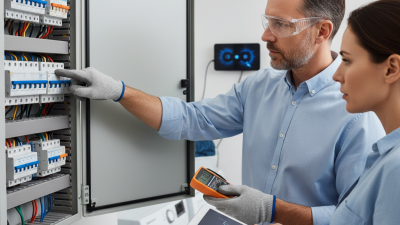
What is the Future of Electric Products in Sustainable Technology?
The world is rapidly evolving towards sustainable technology. Electric products play a crucial role in this transition. They promise efficiency and reduced environmental impact. However, the future of these products is not entirely clear. There are both opportunities and challenges that need attention.
Sustainable innovations in electric products could reshape industries. Companies are investing in cleaner energy solutions. Battery technology is advancing, pushing electric products to new heights. Yet, concerns about resource extraction remain. The production process still generates waste. Balancing innovation and sustainability is a complex task.
As users, we must reflect on our choices. Are we truly aware of the ecological impact of electric products? Awareness drives demand for greener technologies. The future hinges on responsible consumption and smarter technological advancements. The path ahead is uncertain but full of potential.
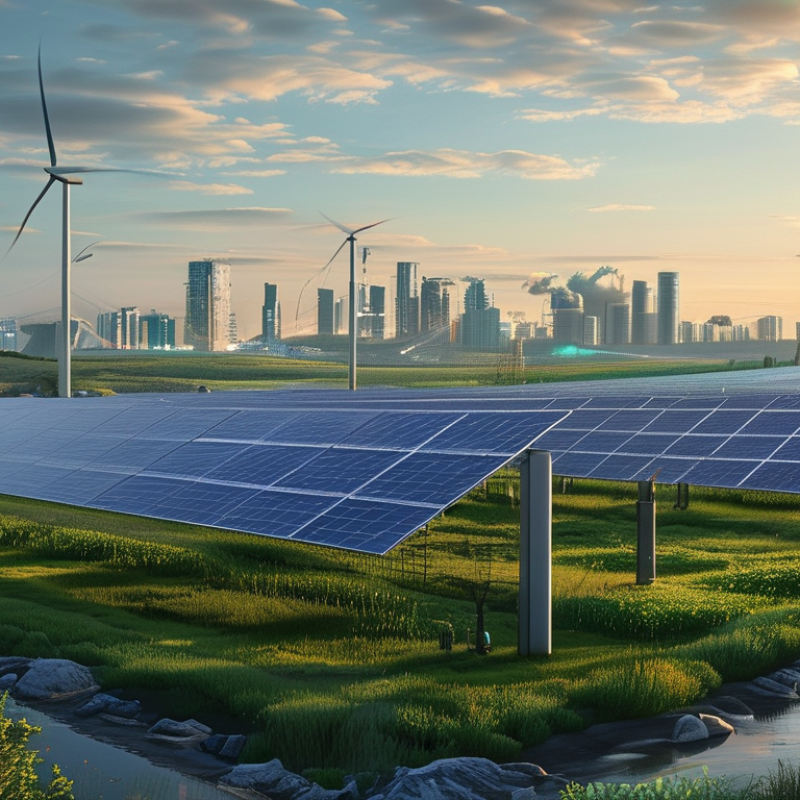
The Rise of Electric Products in the Green Technology Sector
The green technology sector is experiencing a significant transformation. Electric products are leading this change. These items are not just efficient; they also reduce our carbon footprint. With clean energy sources continually gaining traction, electric devices present a viable solution for a sustainable future.
In homes, electric appliances like induction stoves and heat pumps are becoming commonplace. They offer energy efficiency while minimizing environmental impact. Public transportation is also evolving. Electric buses and bikes are emerging in urban areas, changing the way we commute. The benefits are clear, but challenges persist. Infrastructure improvements are necessary to support widespread adoption. Additionally, manufacturing processes must become more eco-friendly to align with sustainability goals.
Incorporating electric products into daily life can feel daunting. Choices can be overwhelming. Not every innovation is perfect. Some products may have limited performance in certain conditions. It's essential to weigh these factors as we embrace this shift toward sustainability. Electric products represent a promising future, but they require careful consideration and further development.
Global Market Trends: Growth Rates of Electric Products to 2025
The electric products market is experiencing unprecedented growth. According to a recent report, the global market for electric products is expected to reach $1 trillion by 2025. This marks a compound annual growth rate (CAGR) of 20% from 2020. Such impressive figures signify a shift towards sustainable technology and innovative energy solutions.
Consumers are increasingly opting for electric products. A survey showed that 70% of participants prefer electric appliances over traditional ones due to environmental concerns. The challenge lies in ensuring the sustainability of raw materials and production methods. Many manufacturers are grappling with resource scarcity, raising questions about the long-term impact of this growth on the planet.
Moreover, regulatory changes are shaping the market landscape. Countries are implementing strict emission standards for electric products. These regulations can drive innovation but also present hurdles for small manufacturers. As the industry evolves, it's vital to strike a balance between rapid growth and responsible practices in production and resource use. The future of electric products will depend on how effectively these challenges are addressed.
Impact of Electric Vehicles on Carbon Emissions Reduction
Electric vehicles (EVs) are becoming a cornerstone of sustainable technology. Studies show that they can significantly reduce carbon emissions. According to the International Energy Agency (IEA), switching to electric vehicles can cut greenhouse gas emissions by up to 70%. This reduction is essential for meeting global energy transition goals.
Tips: Consider your driving habits. Shorter trips can greatly benefit from electric vehicle adoption.
The shift towards EVs also involves challenges. Charging infrastructure must expand to accommodate these vehicles. A report from McKinsey indicates that over 300 million charging points will be needed by 2040 to support global EV usage. Consumer acceptance remains another hurdle. Many still fear the limited range of electric vehicles compared to traditional ones.
Tips: Research local incentives for electric vehicle purchases. Many regions offer tax breaks or rebates.
The potential of electric vehicles in reducing emissions remains vast. By 2030, EV adoption could lead to a 1.5 billion-ton reduction in CO2 emissions, according to a recent World Economic Forum analysis. Nonetheless, continuous innovation is required to make these technologies more efficient and accessible. Addressing the current limitations is crucial for the future of sustainable transportation.
What is the Future of Electric Products in Sustainable Technology? - Impact of Electric Vehicles on Carbon Emissions Reduction
| Year | Projected Electric Vehicle Sales (Million Units) | Estimated CO2 Emissions Reduction (Million Tons) | Percentage of Global Vehicle Fleet |
|---|---|---|---|
| 2023 | 8 | 30 | 1.5% |
| 2024 | 12 | 50 | 2.0% |
| 2025 | 18 | 80 | 3.5% |
| 2030 | 35 | 200 | 10% |
| 2035 | 55 | 350 | 15% |
| 2040 | 80 | 500 | 25% |
Consumer Preferences Shifting toward Sustainable Electric Solutions
Consumer preferences are shifting toward sustainable electric solutions. This change stems from a growing awareness of environmental issues. People are increasingly choosing products that minimize their carbon footprint. Electric appliances, vehicles, and devices that use renewable energy sources are gaining traction.
When selecting electric products, consider their energy efficiency ratings. Higher ratings often lead to lower utility bills and reduced environmental impact. Look for options that incorporate recyclable materials. This not only supports sustainability but also encourages manufacturers to adopt greener practices.
Sustainable technology can have its challenges. Not every product is designed with lasting quality in mind. Some electric items may be more expensive upfront. Consumers need to weigh the long-term benefits against initial costs. Keeping a critical eye on product durability and performance is essential. Understanding these complexities can foster a more informed decision-making process.
Challenges in Manufacturing and Recycling of Electric Products
The future of electric products in sustainable technology hinges on manufacturing and recycling challenges. Producing electric items involves complex processes, often leading to high energy consumption. The extraction of raw materials also poses environmental threats. For instance, mining can result in habitat destruction and water pollution.
Manufacturers face scrutiny over their supply chains. Ethical sourcing remains a pressing concern. Some companies struggle with transparency, making it hard to ensure accountability. Additionally, the growth of electric products adds to the e-waste crisis. Many consumers are unaware of proper disposal methods, complicating recycling efforts further.
Tips: Always check your local recycling guidelines before disposing of e-waste. Consider donating working devices to extend their life. Engage in awareness campaigns to educate others about responsible disposal. Investing in eco-friendly alternatives can also make a difference. Though the future looks promising, significant challenges linger in the electric products landscape.
Related Posts
-
Top Home Electrical Tips for Safe and Efficient Living?
-
Top Electric Products to Boost Your Business Growth?
-
Essential Tips for Sourcing Electric Products Globally?
-
Top 10 Types of Cable and Wire for Electrical Projects?
-
2025 How to Choose the Best Duct Cable for Your Networking Needs
-

2025 Top 5 Cable Conduits: The Best Solutions for Your Wiring Needs