Essential Tips for Sourcing Electric Products Globally?
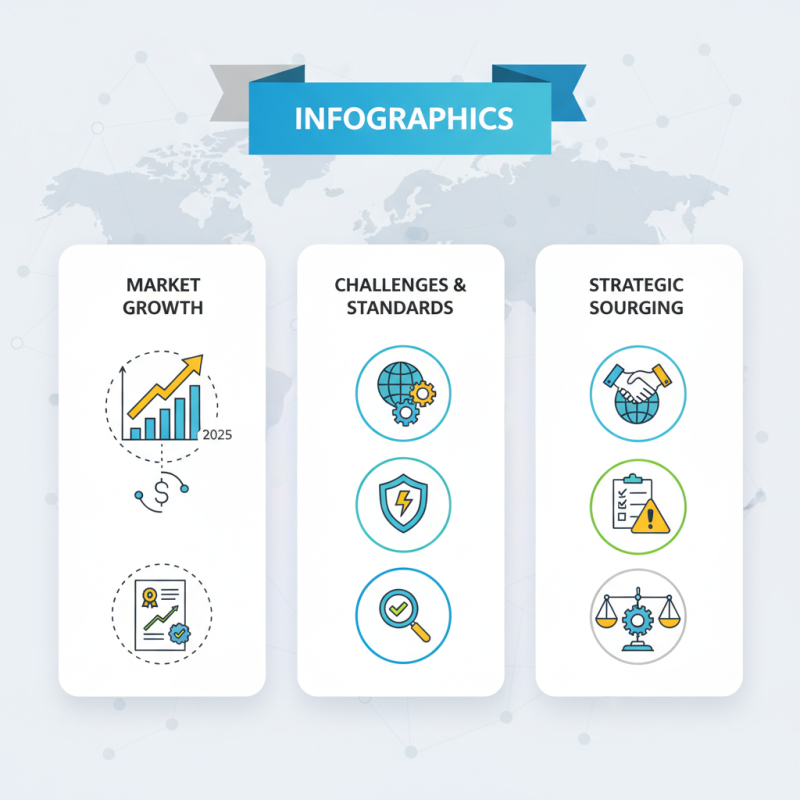
In the ever-evolving landscape of global trade, sourcing electric products poses unique challenges and opportunities. According to a recent market analysis by Mordor Intelligence, the global electric products market is projected to reach $1.2 trillion by 2025. This growth underscores the importance of strategic sourcing and supplier selection. Companies seeking to import electric products must navigate complex regulations, varying quality standards, and fluctuating tariffs.
Effective sourcing goes beyond price comparisons. It requires understanding local markets and compliance norms. The International Electrotechnical Commission provides guidelines that emphasize safety and efficiency in electric products. However, relying on third-party suppliers can introduce risks. There's a notable incidence of non-compliance, which can lead to costly recalls and reputation damage.
While many companies strive for cost-effective solutions, they must remain vigilant. Selecting the right partners is crucial. Relationships with suppliers can impact product quality and delivery times. Investing in due diligence is essential to mitigate the risks associated with global sourcing of electric products. Balancing cost, quality, and compliance can define success in this competitive industry.
Understanding Global Sourcing for Electric Products
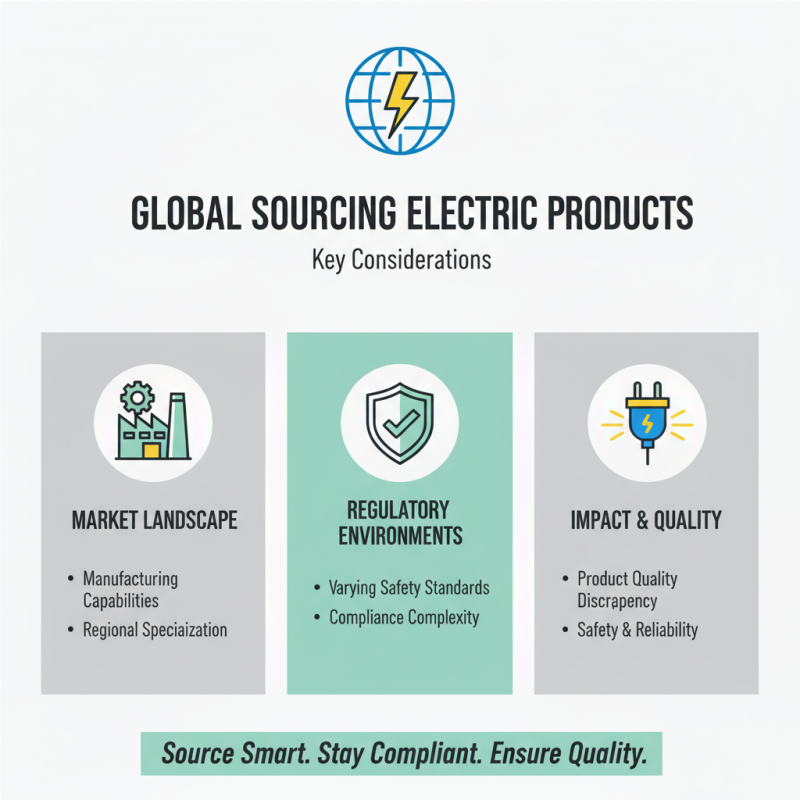
When sourcing electric products globally, understanding the market landscape is crucial. Different regions have unique manufacturing capabilities and regulatory environments. For instance, compliance with safety standards varies widely. Some countries may have stringent regulations, while others might be more lenient. This discrepancy can significantly affect product quality and safety.
Cultural awareness also plays a key role in global sourcing. Communication styles, negotiation tactics, and business ethics vary across cultures. Misunderstandings can arise easily, impacting relationships and deals. Building trust is vital, and it takes time and effort to establish. It’s important to be open-minded and respectful.
Additionally, logistical challenges cannot be ignored. Shipping times, tariffs, and customs regulations can complicate the sourcing process. Companies sometimes overlook these factors, believing that cost is the only concern. However, hidden costs can lead to unexpected delays. These issues require careful planning and a willingness to adapt. Being flexible in sourcing strategies is essential for success.
Identifying Reliable Suppliers in International Markets
Identifying reliable suppliers in international markets requires a strategic approach. According to the Global Sourcing Trends report by Deloitte, 60% of companies admit that supplier reliability is their biggest challenge in sourcing. This statistic highlights the importance of thorough supplier evaluation.
Start by assessing the supplier's track record. Look for established companies with positive reviews and testimonials. Engaging in conversations with past clients can yield insightful data. The International Trade Centre suggests that up to 80% of sourcing professionals rely on recommendations to identify trustworthy suppliers.
Additionally, consider attending trade shows and industry events. These venues not only allow for direct interaction but also provide an opportunity to gauge a supplier’s commitment to quality. In fact, 70% of successful sourcing decisions result from face-to-face meetings, according to a report from the World Trade Organization. It’s crucial to conduct factory visits whenever possible. Observing operations firsthand can reveal discrepancies that aren't apparent through digital communications. This level of diligence may uncover potential risks you might otherwise overlook.
Essential Tips for Sourcing Electric Products Globally - Identifying Reliable Suppliers in International Markets
| Supplier Region | Product Type | Quality Certification | Minimum Order Quantity | Lead Time (Days) | Payment Terms |
|---|---|---|---|---|---|
| Asia | Consumer Electronics | ISO 9001 | 100 units | 30 | NET 30 |
| Europe | Home Appliances | CE Mark | 50 units | 45 | 50% upfront |
| North America | Industrial Equipment | UL Certified | 20 units | 60 | NET 60 |
| South America | Lighting Solutions | Energy Star | 35 units | 40 | Cash on delivery |
| Africa | Renewable Energy | IEC Standard | 10 units | 90 | 40% upfront |
Evaluating Quality Standards and Compliance Regulations
When sourcing electric products globally, understanding quality standards is crucial. Different countries have distinct regulations that manufacturers and importers must follow. For instance, the European Union mandates compliance with CE marking for safety. In the United States, UL certification often signifies adherence to safety standards. Knowing these requirements can help ensure product reliability and safety.
Evaluating compliance can be complex. It's essential to review documentation from suppliers meticulously. Common issues include outdated certifications or incomplete testing results. Suppliers may present impressive credentials, yet their products might not always meet the expected standards. Conducting third-party audits can provide additional assurance.
In many instances, firms overlook quality assurance during the sourcing process. Rushing to finalize orders can lead to purchasing subpar products. It's vital to emphasize the importance of quality alongside cost. Regularly revisiting compliance regulations can mitigate risks. Staying updated on changes in standards worldwide is equally important; regulations can evolve quickly. This proactive approach helps in maintaining high-quality sourcing practices.
Negotiating Pricing and Terms Effectively
Negotiating pricing and terms when sourcing electric products globally can be challenging. A recent survey by the Global Sourcing Association revealed that 72% of professionals feel ill-equipped during negotiations. This lack of confidence may stem from a lack of knowledge about market trends and suppliers. It’s crucial to research and understand the local market conditions before entering negotiations.
One effective strategy is to gather data on pricing benchmarks. For instance, a report by Statista indicated that electronic product prices fluctuate significantly by region. Knowing average prices will give you leverage. Presenting facts and figures during discussions enhances credibility. Also, consider the currency exchange rates. A minor fluctuation can impact the final cost, making it essential to stay informed.
Building rapport with suppliers can lead to better terms. While some buyers focus solely on cost, establishing a relationship can foster trust. According to a study by Deloitte, organizations that prioritize relationship-building tend to secure favorable terms more frequently. Nevertheless, over-reliance on personal connections alone can backfire. Balancing relationships with data-driven decisions is key. This complexity highlights the need for both emotional intelligence and analytical skills in effective negotiation.
Navigating Shipping Logistics and Customs Procedures
Navigating shipping logistics for electric products can be complex. In 2021, global shipping delays affected over 60% of businesses. Companies must understand these logistics to prevent costly setbacks. From selecting carriers to booking shipments, each step counts. The average shipping time can vary widely. It's essential to plan accordingly.
Customs procedures can be daunting. Countries have different regulations for electric products. Researching these regulations is crucial. A report from Statista indicated that 30% of shipments face customs delays. This can lead to lost sales opportunities. Ensuring all documentation is correct is important. Inaccurate paperwork can result in fines or further delays.
Many firms underestimate the complexities of international shipping. Proper communication with logistics partners is vital. This can alleviate some pain points. Businesses must remain flexible. The ever-changing global landscape can impact timelines. Adapting strategies can lead to success in sourcing electric products globally.
Global Electric Product Sourcing: Shipping Costs by Region
This chart illustrates the average shipping costs associated with sourcing electric products from different regions globally. It highlights the varying costs incurred due to shipping logistics and customs procedures.
Related Posts
-
What is the difference between cable and wire?
-
Top Tips for Effective Wire Management Solutions?
-

10 Best Cable Cover Solutions for a Tidy Home or Office?
-
What is a Cable Hider and How Does It Work?
-

Ultimate Guide to Innovative Cable Holder Solutions for a Clutter Free Space
-

Top Custom Cable Suppliers in China for Your Business Needs?