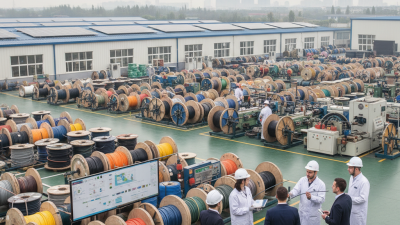
How to Choose the Right Electric Wire in 2026?
Choosing the right electric wire in 2026 is not a matter of picking the thickest coil on the shelf. The right choice depends on the load, circuit length, installation conditions, and equipment specifications. A cable behind a warm kitchen wall faces different demands from one feeding an outdoor pump. Small details matter.
Michael Faraday, the pioneering experimental physicist, wrote, “Nothing is too wonderful to be true, if it be consistent with the laws of nature.” That principle fits wire selection: check the engineering, not just the packaging. Compare conductor material, cross-sectional area, insulation rating, voltage drop, and compatibility with terminals. A copper conductor and an aluminum conductor of similar size do not automatically perform alike in every installation. Nor does a higher temperature marking alone make a wire suitable for every location.
Look closely at the label. Check the intended use, size, and temperature rating against the appliance instructions and local requirements. Then consider the route: a long run, a damp space, or a tightly bundled installation can change what is appropriate. Easy to overlook. Even experienced buyers can pause over unfamiliar markings, and a neat-looking specification is not the same as a verified one. This guide explains how to compare electric wire options, read key ratings, and avoid common selection mistakes. When the application is unclear, confirm the design with a qualified electrical professional. A second look is worthwhile; wire choice leaves little room for guesswork.
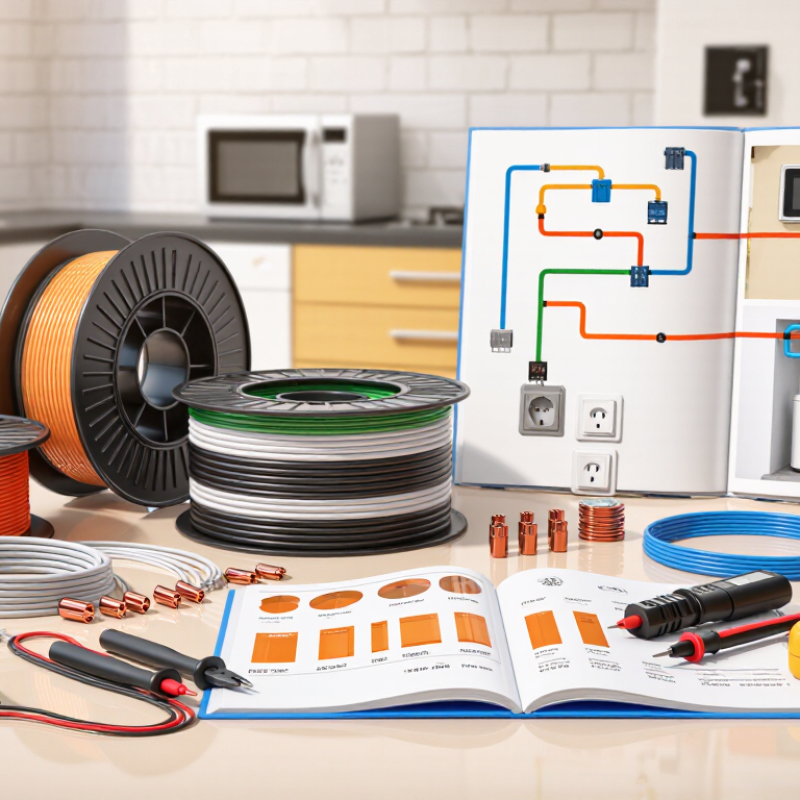
Identify the Electrical Load and Installation Conditions
Before choosing a wire, identify the load it must carry. Check each device’s rated voltage and current, then consider which appliances may run at the same time. A heater, kettle, and other high-demand devices can place very different demands on one circuit. The largest appliance alone does not tell the whole story. Small details matter.
Next, examine the installation conditions. Measure the wire run, since long distances can increase voltage drop. Note whether the cable will pass through insulation, sit in a warm attic, run inside conduit, or face damp conditions. Heat changes everything. Bundled cables may also retain more heat than a single cable in open air. These factors affect the suitable conductor size and insulation rating, so avoid choosing by appearance or a rough guess.
I double-check the circuit protection and the wire’s rated capacity together; they need to be compatible. A plan that works on paper may miss a cramped junction box or a future appliance. Record the load, route, and environment before buying materials. Then have a qualified electrician verify the selection against applicable local requirements, especially for fixed wiring or unfamiliar installations.
Compare Conductor Materials, Wire Gauges, and Insulation Types
How to Choose the Right Electric Wire in 2026?
Compare Conductor Materials, Wire Gauges, and Insulation Types
Copper is common because it conducts well and is easy to terminate. Aluminum is lighter and can suit certain larger installations, but connections need compatible fittings and careful installation. Wire gauge matters too: a smaller gauge number generally means a thicker conductor. Choose it based on expected current, run length, installation conditions, and applicable electrical requirements—not appearance alone. A wire that feels sturdy may still be undersized. Ampacity can change with temperature, bundling, and whether the run passes through a wall or conduit.
Tips: Check the wire’s printed markings for gauge, conductor material, and insulation rating. Match the insulation to the setting: damp areas, outdoor exposure, sunlight, and heat call for suitable ratings. Keep a clear photo of the circuit details; it can help an electrician verify your choice. When uncertain, pause and ask a qualified professional.
One detail is easy to overlook: “same gauge” does not always mean “same permitted use.” Ratings and installation rules vary by application and location. I would not select wire from a chart alone, especially for a long run or a circuit carrying heavy loads. Have the design checked against local requirements before installation.
Choosing Electric Wire: Conductor Material and Gauge
Approximate DC resistance by AWG size at 20°C. Lower resistance means less voltage drop for the same wire length and current.
Copper values are typical standard DC resistance figures; aluminum values are estimates based on aluminum’s approximate 61% IACS conductivity. This comparison is not an ampacity rating: allowable current depends on installation conditions and applicable electrical codes. Choose insulation suited to the environment and temperature rating, and use conductor size and terminals approved for the application.
Check Voltage, Ampacity, Temperature, and Code Requirements
Choosing electric wire starts with the circuit’s actual voltage, not a guess based on an old cable. Check the equipment label and supply details, then select wire rated for at least that voltage. Ampacity matters just as much. It describes how much current a conductor can carry safely under stated conditions. Match it to the load and protective device, using applicable electrical tables rather than judging by wire thickness alone. Small details matter.
Temperature changes the calculation. A cable running through a hot attic, inside insulation, or alongside several loaded conductors may need a lower allowable current. The insulation’s temperature rating is not the whole story; connected terminals can have lower limits. I have seen neat-looking installations where that mismatch was easy to overlook. It deserves a second check. Consider the route, enclosure, and ambient temperature before settling on a wire size.
Local code requirements can affect conductor material, insulation type, installation method, and permitted uses. Requirements vary by location and can change, so check the current rules for your project. For a real installation, have a qualified electrician verify the load, breaker, wire, and terminals together. Keep the wire markings or product documentation available; those small print details can resolve uncertainty. If the circuit’s conditions are unclear, pause before buying cable.
Match the Wire Type to the Installation Environment
Choosing wire starts with the place it will live, not merely the appliance it will serve. A dry, enclosed wall cavity may suit cable rated for that installation, while a damp basement, outdoor run, or washdown area needs conductors approved for wet locations. Check the jacket markings; “water-resistant” assumptions are not a specification. Details matter. NFPA’s Home Fires Involving Electrical Distribution or Lighting Equipment report estimated an annual average of 32,620 U.S. home structure fires involving this equipment during 2015–2019. The figure covers more than wiring alone, but it shows why installation conditions and sound connections deserve careful attention.
For outdoor routes, look for sunlight resistance and a rating suited to direct burial or conduit, as applicable. In hot spaces, near heaters, or around machinery, verify the insulation’s temperature and chemical-resistance ratings. A wire that fits physically may still be wrong electrically: match its gauge to load, run length, overcurrent protection, and terminal compatibility. Not just thickness. I’ve seen selection reduced to “use a heavier wire,” but that shortcut misses insulation limits and connection ratings. Confirm the applicable local electrical code and product markings, and ask a qualified electrician when the environment or wiring method is unclear. NFPA’s report is a useful risk reference, not a wire-sizing guide.
Verify Compatibility and Safety Before Purchase and Installation
Before buying electric wire, match it to the circuit, not just the appliance. Check the required voltage, expected current, and wire gauge in the equipment instructions. A wire that looks thick enough may still be unsuitable for the load or installation method. Small details matter.
Check the insulation rating against heat, moisture, sunlight, and any conduit or enclosure. Measure the route, too; long runs can affect voltage drop, so confirm the correct size with a qualified electrician when the calculation is unclear. Verify that the wire type fits the terminals and that the breaker and connectors are rated for the circuit. Do not guess. Read the markings printed on the wire and compare them with the product documentation before purchase. A quick glance can miss a temperature limit or an indoor-only rating. Even careful buyers overlook this sometimes. Before installation, switch off the circuit and verify it is de-energized with an appropriate tester. If the wiring, ratings, or local requirements are uncertain, pause and ask a licensed professional to assess the setup. Safety is worth the extra check.
How to Choose the Right Electric Wire in 2026? — Verify Compatibility and Safety Before Purchase and Installation
Use this reference to compare common wire-selection factors. Examples marked “U.S. reference” are not universal installation rules; confirm the requirements for your location and application.
| Selection factor | Reference data | Compatibility check | Safety check before purchase or installation |
|---|---|---|---|
| 14 AWG copper conductor | Approximate cross-sectional area: 2.08 mm². Common U.S. reference: 15 A branch-circuit applications. | Confirm the conductor size is permitted for the circuit, load, wiring method, and local electrical code. | Do not protect a circuit with a breaker larger than the wire and installation method allow. Verify the required overcurrent protection with a qualified electrician or applicable code. |
| 12 AWG copper conductor | Approximate cross-sectional area: 3.31 mm². Common U.S. reference: 20 A branch-circuit applications. | Check terminal ratings, cable or raceway fill, ambient temperature, conductor grouping, and the connected equipment’s instructions. | These examples are not a substitute for ampacity calculations. Actual allowable current can be reduced by installation conditions and local rules. |
| 10 AWG copper conductor | Approximate cross-sectional area: 5.26 mm². Common U.S. reference: 30 A branch-circuit applications. | Confirm that the wire type and size suit the appliance, circuit voltage, terminals, and installation environment. | For continuous loads, motor loads, and equipment with specific instructions, apply the relevant code requirements rather than relying on a general size-to-current example. |
| Conductor material | Copper and aluminum conductors have different electrical and termination requirements. | Use terminals and connectors specifically listed or marked for the conductor material and size. Never assume a copper-only terminal accepts aluminum. | Follow connector instructions and local code for aluminum conductors, including preparation and compound requirements where specified. |
| Voltage rating | Wire and cable products carry a marked voltage rating; some common building-wire products are rated 600 V. | The wire’s marked rating must meet or exceed the system voltage and suit the equipment and wiring method. | Check the product marking and applicable standard. A voltage rating alone does not establish that a wire is suitable for a particular location or use. |
| Insulation and location | Insulation markings identify permitted conditions, such as dry or wet locations, temperature limits, and approved uses. | Match the cable or wire type to indoor, outdoor, damp, wet, underground, or raceway installation conditions as applicable. | Do not use a dry-location-only product where it may be exposed to moisture. Verify direct-burial approval separately; not every outdoor-rated wire is approved for burial. |
| Temperature rating | Products and terminals have temperature ratings shown in their markings or documentation. | Check the lowest applicable rating among the conductor, terminals, equipment, and installation conditions. | Do not choose conductor ampacity from insulation temperature alone. Terminal ratings and code-required adjustments can limit the permitted value. |
| Run length and voltage drop | Longer runs and higher loads can increase voltage drop. The result depends on conductor size, material, current, and circuit length. | Provide the one-way run length, load current, system voltage, and conductor material when checking voltage drop. | For long runs or sensitive equipment, have voltage drop assessed and select a suitable conductor size under local recommendations or code requirements. |
| Stranded or solid conductor | Both constructions are available, but their permitted uses and termination methods can differ. | Confirm that terminals, connectors, and equipment accept the conductor construction and size. | Use the specified terminal preparation and tightening torque. Do not place a conductor under a terminal unless its instructions permit that connection. |
| Code, listing, and documentation | Requirements vary by country, region, building type, and application. | Check recognized product markings, local electrical regulations, permit requirements, and equipment manufacturer instructions. | Buy wire with legible, traceable ratings and documentation. Have fixed wiring selected and installed by a qualified electrician where required. |
Related Posts
-
China Best Cable and Wire Options for Global Buyers?
-

What Are the Top Home Electrical Products to Buy?
-
Maximizing Efficiency: How Electric Cable Ducts Improve Cable Management and Reduce Risks in Modern Infrastructure
-
How to Improve Wire Management in Your Workspace?
-
China Top 10 Wire Cable Manufacturers for Global Buyers
-

10 Essential Tips for Choosing the Right Cable Supplier for Your Business Needs