Top Types of Electric Wire to Know for Your Electrical Projects?
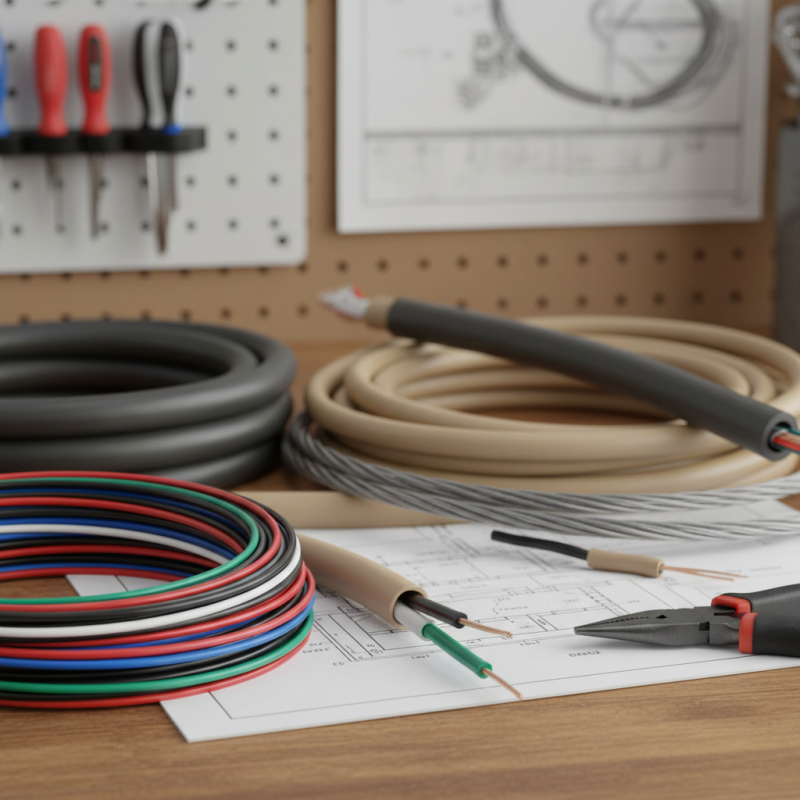
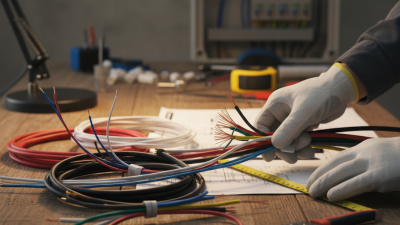
When embarking on electrical projects, understanding the various types of electric wire is crucial. Choosing the right wire ensures safety and efficiency in your work. Electric wire comes in many forms, each designed for specific applications.
From residential wiring to outdoor projects, each type has unique properties. For instance, THHN wire is popular for its versatility. In contrast, Romex is favored for indoor use due to its ease of installation. However, selecting the wrong wire can lead to costly mistakes.
While some wires are rated for high voltage, others comply with lower requirements. This can be confusing for beginners. Keep in mind that not all electric wires are made equal. Reflecting on your project’s needs is essential for success. Understanding these variations will help you make informed choices.
Top Types of Electric Wire for Residential Wiring Projects
When tackling residential wiring projects, knowing the right type of electric wire is crucial. One popular option is non-metallic sheathed cable, often referred to as NM cable. It features an outer plastic sheathing that protects the inner wires. This type is perfect for indoor use, as it is lightweight and easy to work with. However, it is important to avoid using NM cable in areas prone to moisture, as water can damage the insulation.
Another essential wire type is grounded metal-clad cable, also known as MC cable. This versatile cable is great for both indoor and exposed outdoor settings. Its armor provides extra protection, making it ideal for areas that need additional safety. However, it can be harder to work with due to its weight and rigidity. Electricians sometimes struggle with the installation due to these factors.
For specific applications, individual conductors like THHN or THWN wire are also common. These wires are designed for different environments. THHN is suited for dry locations, while THWN is rated for wet conditions. Yet, using these wires requires extra care during installation. Mistakes can lead to costly repairs down the line. Understanding these wire types is key for any successful electrical project.
Top Types of Electric Wire for Residential Wiring Projects
Comparing THHN vs. NM Cables: When to Use Each Type
When choosing between THHN and NM cables, understanding their unique attributes is crucial. THHN wire consists of a solid copper core, making it durable. It's commonly used in conduit and other raceways for dependable power transmission. This wire is rated for high temperatures and moisture resistance, making it ideal for commercial settings and outdoor applications.
On the other hand, NM cables are lightweight and easy to install. They typically comprise two or more insulated wires and a ground wire. NM cable is often used in residential settings for light fixtures and outlets. However, this type is not suitable for areas prone to moisture. The cost-effectiveness of NM cables can be tempting, but it is essential to assess your project’s specific needs carefully.
When deciding which to use, think about the environment and application. If your project demands robustness and resilience, lean towards THHN wiring. Otherwise, for general household use, NM cable suffices. Remember, every choice has its pros and cons. Reflect on your requirements to make the best decision.
Safety Ratings and Standards: UL and NEC Compliance Explained
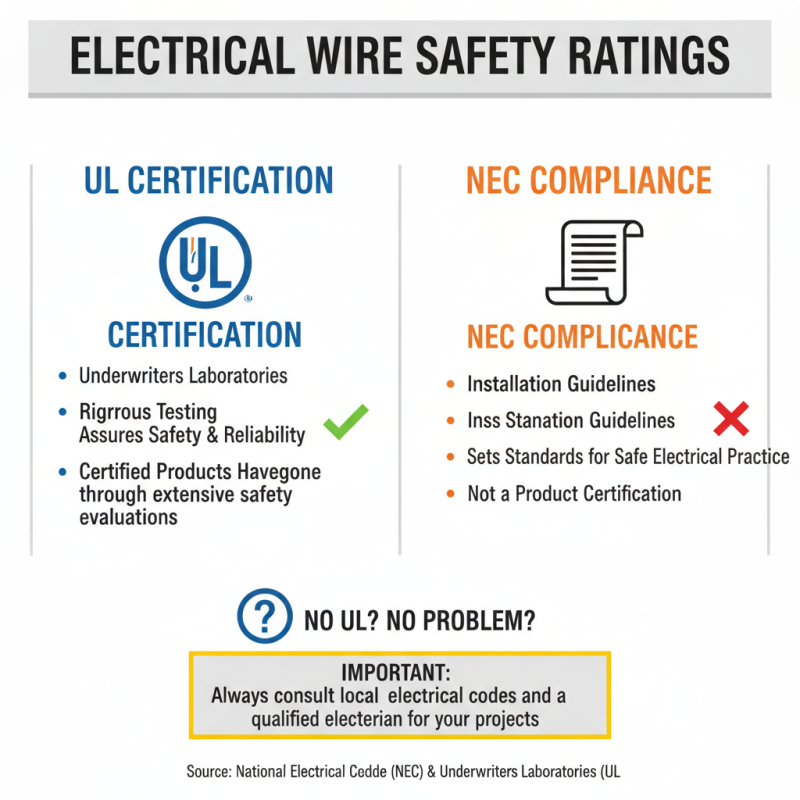
When choosing electric wire for your projects, understanding safety ratings is crucial. The most recognized standards are UL (Underwriters Laboratories) and NEC (National Electrical Code). UL ratings indicate that the wire has undergone rigorous testing. It assures users that the product is safe and reliable. However, not all wires have this certification. This can create confusion for DIYers and professionals alike.
NEC compliance ensures that installations meet local codes. This helps prevent hazards, like electrical fires. Using non-compliant wire can lead to dangerous situations. It’s vital to verify that your chosen wire meets these standards. Many assume that all electrical wire is the same, but that's far from true. Different projects require different types of wire, and some fail to consider this.
Wiring can be intimidating, especially for novices. It's easy to overlook details. Researching can feel overwhelming, but it’s necessary. Safety should always be a priority. Remember, the right wire can make all the difference in a project’s outcome. Avoid shortcuts; the consequences can be severe. Taking time to learn about UL and NEC can save you headaches down the line.
Choosing the Right Insulation Types for Electrical Wire Applications
Choosing the right insulation types for electrical wire applications is crucial. Different insulations serve specific purposes. Each material has unique properties that can impact safety and performance.
For instance, PVC insulation is widely used due to its durability and cost-effectiveness. According to the National Electrical Manufacturers Association (NEMA), over 40% of wire used in residential projects features PVC insulation. However, it may not withstand extreme heat. This can lead to potential hazards in certain environments.
On the other hand, thermoplastic elastomer (TPE) offers better flexibility and temperature resistance. A study from the Institute of Electrical and Electronics Engineers (IEEE) indicates that TPE can perform well in both high and low temperatures. Despite its advantages, TPE is more expensive. Many still choose older insulation types, sometimes overlooking their limitations.
Knowing the different insulation types can avoid costly mistakes. Many projects fail due to inadequate insulation choices. Inspecting materials before use is essential in achieving optimal performance. This reflection on wiring insulation can lead to safer and more efficient projects.