Top Electric Products to Watch in 2026 for Global Buyers?
The future of electric products is bright and full of potential. As technology advances, buyers worldwide are eager to discover innovations that promise efficiency and sustainability. The year 2026 will feature a range of electric products designed to enhance our everyday lives.
Among these, electric vehicles will likely dominate the market with improved battery technology and charging infrastructure. Smart home devices are also on the rise, offering features that promote energy conservation. Wearable technology will blend health and connectivity, encouraging users to enhance their well-being.
While the prospects are exciting, buyers should approach with caution. The rapid pace of change often leads to products that may not meet expectations. It is essential to assess the reliability and effectiveness of these electric products before committing to purchases. In a world eager for green solutions, informed decisions will be crucial for a sustainable future.
Top Electric Vehicles Expected to Revolutionize the Market in 2026
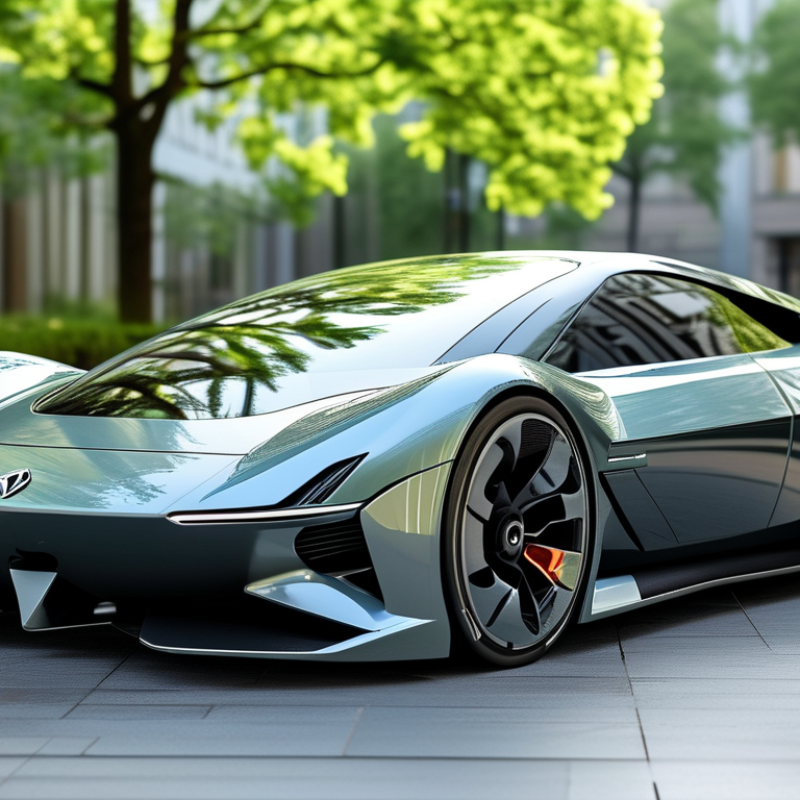
The electric vehicle (EV) market is set for a dramatic transformation by 2026. Industry experts predict that global EV sales will reach over 30 million units annually, driven by rising demand for sustainable transportation options. According to a report by the International Energy Agency, electric cars could account for 30% of all vehicle sales in the next few years. This shift presents both opportunities and challenges.
Innovations in battery technology are crucial for this growth. Solid-state batteries, for instance, are emerging as a game-changer. They offer higher energy density and faster charging times compared to traditional lithium-ion batteries. However, production processes remain costly and complicated. Addressing these challenges is essential for wider adoption.
Consumer preferences are also evolving. Many buyers now prioritize range and charging infrastructure. Some reports indicate that 60% of potential EV buyers are still concerned about range anxiety. This highlights the need for ongoing improvements in charging networks. As competition heats up, manufacturers must remain vigilant. The path to 2026 will require adaptation, innovation, and a clear understanding of consumer needs.
Trends in Renewable Energy Technologies Shaping Future Electric Products
As we approach 2026, several trends in renewable energy technologies are reshaping electric products worldwide. The Global Renewable Energy Agency reported that in 2022, renewable sources accounted for 30% of global electricity. This percentage is projected to rise to over 50% by 2026. Innovations in solar and wind energy systems are significant contributors to this shift. For instance, advancements in photovoltaic cells aim to increase their efficiency while reducing costs. This will likely enhance the adoption of solar-powered devices in various sectors.
Moreover, energy storage solutions are gaining momentum. According to a recent market analysis, the energy storage market is expected to grow at a CAGR of 25% leading up to 2026. High-capacity batteries are essential for stabilizing renewable energy sources, making them more practical for everyday consumer products. However, challenges remain. Issues related to recycling and sourcing materials for batteries need addressing. Sustainability in the production process will be crucial for these technologies to gain broader acceptance.
Electric vehicles also represent a key area of innovation. The International Energy Agency forecasts that electric vehicle sales will triple by 2026. However, the infrastructure for charging is not keeping pace with this growth. This disparity raises questions about the feasibility of widespread EV adoption. As global buyers look toward 2026, they must consider both opportunities and hurdles in the evolving electric product landscape.
Innovations in Smart Home Devices: Enhancements for Global Consumers
The landscape of smart home devices is rapidly evolving, promising innovative enhancements for consumers by 2026. Expect to see advanced voice recognition systems that make user interactions more intuitive. Imagine walking into a room, and your lights adjust to your preferred brightness without a single command. Devices will learn from your habits, creating a seamless living environment tailored just for you.
There is potential for more robust security features as well. Smart cameras may recognize family members and alert homeowners about unexpected visitors. However, privacy concerns linger. Will our trust in these devices withstand potential breaches? As technology grows, so does the risk of misuse. Consumers must stay informed and question how their data is handled.
Energy efficiency will be at the forefront too. Expect smarter thermostats that analyze weather patterns and adjust settings accordingly. This could lead to significant savings. Nevertheless, not all innovations will be perfect. Some devices may require frequent updates, causing frustration. The goal is to enhance convenience, but practical challenges remain. Sustainable and reliable choices in smart home technology will be essential for global consumers.
Projected Growth of Electric Battery Solutions and Their Industry Impact
The electric battery market is evolving rapidly. By 2026, innovations in battery technology are expected to drive significant changes across various industries. Electric vehicles, consumer electronics, and renewable energy sectors are all poised for growth. Efficient energy storage solutions will boost renewable energy adoption. This shift is vital for a sustainable future.
The projected advancements in battery capacity will directly affect product performance. Longer-lasting batteries mean devices can operate longer without frequent charging. However, challenges remain. Recycling and disposal methods for old batteries need improvement. Environmental impacts must be managed carefully as production scales up. The world isn't fully ready yet.
In this evolving landscape, collaboration among manufacturers, policymakers, and researchers is essential. Creating standards for battery safety and performance will build consumer trust. Addressing these challenges head-on will lead to a more robust electric product market in the coming years. These developments will reshape how we interact with technology daily.
Emerging Electric Consumer Electronics: What's Gaining Popularity by 2026
As we look toward 2026, the landscape of electric consumer electronics is rapidly evolving. Reports indicate that the global market for electric devices is projected to grow by 8.5% annually. This growth indicates a strong consumer interest in innovative technologies. Experts predict that sectors like smart home devices will capture significant market attention. Smart speakers and home automation systems are expected to lead in popularity as consumers seek convenience and efficiency.
Electric vehicles (EVs) are also on an accelerated rise. By 2026, EV sales may comprise over 30% of total vehicle sales worldwide. Reports suggest that charging infrastructure will expand significantly, making EVs more accessible. Nonetheless, concerns about battery life and recycling remain pressing issues. Not all consumers are convinced about adoption due to these environmental implications.
Wearables, particularly health-focused devices, are gaining traction. The global wearable technology market is set to surpass $100 billion by 2026. This reflects a growing emphasis on health and wellness. However, data privacy issues surrounding these devices pose a challenge. Users often grapple with the balance between health benefits and personal data security. These dynamics will shape the consumer electronics market in the coming years.
Top Electric Products to Watch in 2026 for Global Buyers
| Product Category | Key Features | Projected Growth Rate | Main Markets | Consumer Trends |
|---|---|---|---|---|
| Smart Home Devices | Voice control, energy efficiency, integration with IoT | 15% CAGR | North America, Europe, Asia-Pacific | Increased automation and remote control preference |
| Electric Vehicles | Long-range battery, fast charging, autonomous features | 20% CAGR | Global, with focus on urban centers | Sustainability concerns and government incentives |
| Wearable Technology | Health tracking, connectivity, customizable interfaces | 10% CAGR | North America, Europe, Asia | Focus on health & fitness, integration with other devices |
| Portable Power Stations | Renewable energy input, multiple device support, compact size | 25% CAGR | Outdoor recreation, emergency preparedness markets | Growing adoption for camping and emergency use |
| Smart Appliances | Energy efficiency, remote monitoring, AI integration | 12% CAGR | Developed markets, urban areas | Convenience, energy-saving features, personalized settings |
Related Posts
-
Top Electric Products to Boost Your Business Growth?
-

2026 How to Choose the Best Floor Outlet for Your Needs?
-

What is Wire Cable and How to Choose the Right One?
-

The Ultimate Guide to Effective Cable Management Strategies for a Tidy Workspace
-

What is a Cable Hider and How Does It Work?
-

10 Best Cable Cover Solutions for a Tidy Home or Office?