
7 Tips for Choosing the Right PVC Butterfly Valve
Choosing the right pvc butterfly valve is rarely a simple catalog decision. In a real plant, the valve sits between pumps, pipes, chemicals, and people. A small mismatch can cause leakage, unstable flow, or early seat damage. The correct choice begins with the service conditions, not the lowest purchase price.
“Valve selection must begin with the fluid, pressure, temperature, and operating cycle,” says Michael R. Hayes, a senior plastics-valve engineer with more than two decades of field experience. That principle sounds obvious. It is still often ignored. A valve handling chilled water may perform well, while the same model struggles with corrosive chemicals or frequent throttling. Material compatibility matters. So does torque.
This guide examines seven practical checks for selecting a dependable pvc butterfly valve. It considers valve body construction, disc and seat materials, pressure ratings, temperature limits, connection standards, actuator requirements, and supplier documentation. Installation details receive attention too. Misaligned piping can twist the body and create unnecessary friction. Over-tightened bolts can damage the flange or seat.
Look closely.
A reliable selection also leaves room for doubt. Product pages may present impressive specifications, yet omit cycle-life testing or chemical-resistance details. That omission deserves a question before purchase. Confirm test reports, dimensional drawings, warranty terms, and replacement-part availability. Speak with the manufacturer when the application is unusual. The best decision is not always the most expensive valve. It is the one whose materials, controls, and limits match the actual system.
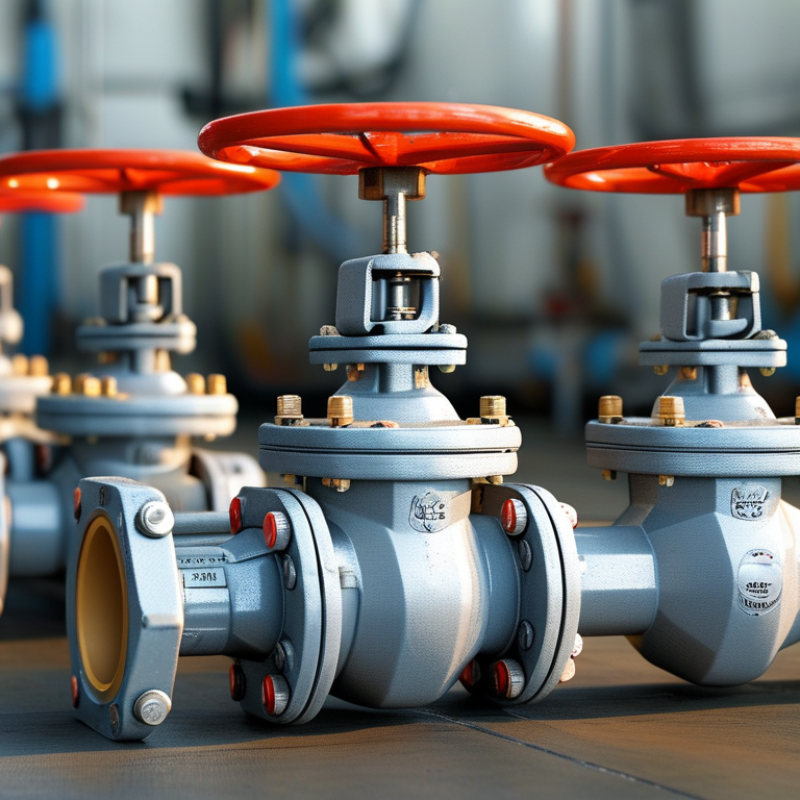
Define PVC-U Material by ASTM D1784 Cell Class 12454 and Fluid Compatibility
7 Tips for Choosing the Right PVC Butterfly Valve
Define PVC-U Material by ASTM D1784 Cell Class 12454 and Fluid Compatibility
Tip 1: Verify the material certificate. PVC-U should be identified as ASTM D1784 cell class 12454, not simply called “industrial PVC.” This classification helps confirm key mechanical properties and resin quality. Ask for documented compliance, production traceability, and temperature ratings. A label alone is not enough.
Tip 2: Match the valve with the actual fluid. Compatibility depends on concentration, temperature, pressure, and exposure time. Diluted acids may behave differently at elevated temperatures. Cleaning chemicals can also attack seals, liners, or metal stems. Check every wetted component, not only the PVC body. This detail is often missed.
Tip 3: Consider the operating temperature carefully. PVC-U can perform reliably in suitable service, but its pressure capacity decreases as temperature rises. A valve handling cool water may not suit warm chemical transfer. Confirm derating data before installation. Do not rely on a familiar size or previous project.
Tip 4: Examine the disc and sealing materials. Some fluids are compatible with PVC-U but unsuitable for elastomers. Review resistance charts from qualified technical sources, then compare them with site conditions. Laboratory data may not perfectly represent real operation. Field experience matters.
Tip 5: Check pressure, vacuum, and cycling requirements. Frequent throttling can create wear, vibration, or unexpected stress. Proper alignment reduces torque and leakage risk. It sounds basic, yet installation errors remain common. When uncertainty exists, obtain an engineering review before selection.

Compare Pressure Ratings at 23°C (73°F) and Temperature Derating Limits
7 Tips for Choosing the Right PVC Butterfly Valve
Compare Pressure Ratings at 23°C (73°F) and Temperature Derating Limits
At 23°C, compare pressure ratings using the same test standard, valve size, and connection type. A 150 psi rating is not universal. It may describe the body, seat, or complete valve assembly. ISO 16135 covers thermoplastic valve requirements, while ASTM D2837 supports long-term hydrostatic strength evaluation. These references improve comparison quality. They do not replace the valve’s pressure-temperature chart.
Temperature changes the calculation quickly. For example, a published PVC derating factor near 100°F may be about 0.62, depending on the material and design. A 150 psi rating could therefore become approximately 93 psi. Check the manufacturer’s certified table before using that figure. PPI thermoplastic guidance also stresses long-term strength, not only short laboratory tests. Hot water, chemical exposure, cycling, and pressure surges can reduce practical service life.
I have seen selection sheets compare 23°C ratings while ignoring warmer process conditions. That is risky. Very risky.
Record the operating temperature, peak pressure, fluid, and cycling frequency. Then compare the lowest allowable rating, not the attractive headline number. Some charts stop near 60°C, although certain PVC compounds may tolerate less in continuous service. A neat spreadsheet can still mislead. The weakest connection often controls the system.
7 Tips for Choosing the Right PVC Butterfly Valve - Compare Pressure Ratings at 23°C (73°F) and Temperature Derating Limits
Use this table as a general engineering reference for PVC-U butterfly valve selection. Pressure values are representative maximum working-pressure levels commonly used for thermoplastic valve applications; always confirm the exact valve, flange, seal, actuator, chemical compatibility, and temperature limits with the applicable manufacturer documentation.
| Tip | Selection Dimension | Reference Data | Pressure at 23°C (73°F) | Temperature Derating Reference | Practical Selection Guidance | Verification Point |
|---|---|---|---|---|---|---|
| 1 | Confirm the nominal pressure class | Common PVC butterfly valve pressure classes include PN10 and PN16, equivalent to approximately 10 bar (145 psi) and 16 bar (232 psi) nominal pressure. | PN10: 10 bar (145 psi) PN16: 16 bar (232 psi) | These values are normally reference ratings near room temperature. The allowable pressure generally decreases as temperature rises. | Choose a valve whose derated pressure rating exceeds the highest continuous operating pressure, including expected surges where applicable. | Check whether the rating applies to the complete valve assembly or only to the body material. |
| 2 | Compare pressure ratings at the actual operating temperature | Representative PVC-U derating factors for pressure applications: | At 23°C: 100% of reference rating | 27°C: approximately 87% 32°C: approximately 75% 38°C: approximately 62% 43°C: approximately 50% | For a PN10 valve, a 50% factor corresponds to approximately 5 bar (72.5 psi), before any additional limits from seals, discs, flanges, or actuator components. | Use the valve supplier’s published pressure-temperature curve when available; generic PVC pipe factors are not a substitute for a valve rating. |
| 3 | Respect the upper temperature limit | PVC-U is commonly selected for ambient and moderately warm liquid service, but its pressure capability declines significantly with heat. | Full reference rating is generally associated with approximately 23°C (73°F) | 49°C: approximately 40% 54°C: approximately 30% 60°C: approximately 20% Above 60°C: application-specific review required | Do not treat a PVC valve as a full-pressure valve at elevated temperature. Hot water, solar-heated fluids, and process liquids require a dedicated temperature review. | Confirm the maximum continuous and intermittent temperature, not only the normal operating temperature. |
| 4 | Match the valve material to the fluid | PVC-U is commonly compatible with many water, salt-water, dilute acid, alkali, and some chemical services, but compatibility depends on concentration, temperature, and exposure time. | Pressure rating does not establish chemical compatibility | Higher temperature can accelerate chemical attack, permeation, swelling, or seal degradation even when the pressure derating appears acceptable. | Review the body, disc, shaft, liner, seat, and elastomer separately. EPDM and FKM, for example, have different chemical and temperature behavior. | Obtain a chemical-compatibility confirmation for the exact concentration and operating temperature. |
| 5 | Select the correct size and flow arrangement | Common nominal sizes range from small utility lines to large process pipelines. Butterfly valves are generally suited to isolation and throttling service when the design permits. | Pressure class may remain constant across sizes, but the actual design limits can vary by size and connection style | Temperature derating applies to the selected size and complete construction; large discs, liners, and flanges may introduce additional limits. | Avoid selecting a valve solely by pipe diameter. Check flow coefficient, velocity, pressure drop, disc clearance, and required shutoff performance. | Confirm wafer, lug, or flanged pattern, face-to-face dimensions, flange drilling, and pipe schedule. |
| 6 | Account for installation and pressure direction | Butterfly valves can be sensitive to pipe alignment, flange spacing, bolt tightening, and disc clearance during installation. | Rated pressure assumes correct installation and a properly supported piping system | Elevated temperature increases thermal expansion and can increase mechanical stress at joints, flanges, and supports. | Align the pipe before tightening, prevent the disc from striking the pipe, use the specified gasket arrangement, and follow the correct bolt-torque procedure. | Check the permitted pressure direction, end connections, support requirements, and any vacuum-service limitations. |
| 7 | Include safety margin and testing requirements | Operating pressure should remain below the temperature-adjusted working-pressure rating. Hydrostatic testing pressure must follow the applicable standard and project specification. | Design condition must be lower than the derated working rating | Never multiply a published rating by a generic factor without confirming the rating basis, test standard, and component limitations. | Consider start-up, shutdown, water hammer, pump transients, vacuum conditions, and cyclic temperature changes before final selection. | Verify applicable standards, inspection requirements, leakage class, pressure-test procedure, and documentation for the installed valve. |
Important: The derating percentages shown are representative reference values for PVC pressure applications and are intentionally presented as approximate engineering guidance. Actual PVC butterfly valve limits vary with valve design, nominal size, pressure class, connection type, seat and liner material, fluid, temperature exposure, and applicable standard. The lowest-rated component governs the allowable operating condition.
Match Wafer or Lug Design to DN50–DN600 Pipeline Dimensions
Tip 1: Confirm the pipeline dimensions before choosing a PVC butterfly valve. DN50 to DN600 identifies the nominal bore, not the exact outside diameter. Measure the pipe, flange drilling, and available face-to-face space. A DN300 valve can still fail to fit when flange standards differ. Small details matter.
Wafer valves sit between two flanges and usually suit compact systems with aligned pipework. They reduce weight and installation space, especially around DN50–DN200 lines. Lug valves include threaded inserts on both sides. This design allows one pipeline section to be removed while the opposite section remains installed. It is often more practical for larger DN300–DN600 pipelines, maintenance branches, and equipment isolation points. Still, lug holes must match the flange bolt pattern exactly.
Tip 2: Check pressure rating, temperature, fluid compatibility, and actuator clearance together. PVC handles many corrosive fluids, but the seat and seal materials may limit service conditions. Do not rely on the valve body alone. Tip 3: Inspect alignment before tightening. Uneven bolts can distort the seat and increase operating torque. I have seen a correctly sized valve leak because the pipe was forced into position. That mistake is easy to repeat. Recheck the centerline, flange faces, and operating handle clearance before commissioning.
7 Tips for Choosing the Right PVC Butterfly Valve — Match Wafer or Lug Design to DN50–DN600 Pipeline Dimensions
The chart shows the approximate circular flow area associated with common DN50–DN600 nominal pipeline sizes. These values are calculated from the nominal diameter using A = π(D/2)² and are intended for dimensional comparison, not as a substitute for the pipe manufacturer's actual internal diameter.
Select EPDM or FKM Seats Using Chemical-Resistance Data
7 Tips for Choosing the Right PVC Butterfly Valve
Choosing between EPDM and FKM seats starts with chemical-resistance data, not habit. EPDM generally suits water, steam, dilute acids, and many alkaline solutions. It performs poorly with oils, fuels, and hydrocarbon-based fluids. FKM usually handles oils, fuels, and many aggressive organic chemicals better. However, it may resist hot water, steam, ketones, and certain amines poorly. Temperature changes can alter these results.
Tip 1: Identify the exact fluid, concentration, and operating temperature. A chemical chart may list “compatible,” but continuous exposure can tell another story. Check the safety data sheet and the valve manufacturer’s resistance table. Include cleaning chemicals, additives, and occasional process spikes. No chart is perfect.
Tip 2: Review pressure, cycling, and seat movement. A seat exposed to a compatible chemical can still fail through swelling, hardening, or compression damage. In practical installations, small temperature increases often deserve more attention than expected. I have seen selections based on fluid names alone, which is an avoidable weakness. FKM may be the safer choice for hydrocarbon service, while EPDM often suits hot water systems. Confirm the final selection with real concentration and temperature data, then consider testing a sample under representative conditions.
Verify ISO 5211 Actuator Interfaces and EN 593 Testing Requirements
Choosing the right PVC butterfly valve requires more than matching pipe size and pressure rating. The actuator connection deserves equal attention. ISO 5211 defines standardized mounting dimensions for quarter-turn actuators, including flange size, drive shape, and bolt-hole layout. Check these details against the valve drawing, not a sales description. Small differences can create costly installation delays.
Measure the actuator torque requirement under real conditions. Consider operating pressure, seat friction, temperature, and possible deposits on the disc. The valve may turn smoothly on a workbench but behave differently after months in service. Leave a practical torque margin, without oversizing the actuator unnecessarily. That mistake can increase costs and stress the valve stem.
Read EN 593 references carefully. EN 593 mainly addresses metallic butterfly valves, so it should not be treated as automatic proof for every PVC construction. Ask for the exact compliance scope, test procedures, pressure ratings, and test reports. Check shell strength, seat leakage, shaft sealing, and operating-cycle evidence where specified. Confirm whether additional testing follows EN 12266 or a project-specific requirement. A document with a familiar standard number is not enough.
I have seen specifications accepted too quickly, then questioned during commissioning. The better habit is simple: compare every certificate with the actual valve material, size, interface, and service conditions. Retrofit plans also need attention. A matching ISO 5211 pattern does not guarantee sufficient clearance around the actuator.