How to Safely Perform Home Electrical Repairs: Tips and Best Practices
Home electrical maintenance is a crucial aspect of homeownership, as it not only ensures the safety and functionality of electrical systems but also enhances the overall value of the property. According to the U.S. Fire Administration, electrical malfunctions are responsible for nearly 25% of home structure fires, leading to significant injuries and property damage. Understanding how to perform home electrical repairs safely is not just beneficial but necessary for every homeowner.
Recent studies indicate that many homeowners engage in DIY electrical repairs without sufficient knowledge, which can lead to hazardous situations such as electrocution or fires. The National Electrical Code (NEC) emphasizes the importance of adhering to safety standards, which include turning off power sources, using proper tools, and understanding circuit loads. By following best practices in home electrical repairs, individuals can minimize risks while effectively addressing common issues like faulty wiring or malfunctioning outlets.
As we delve into the specifics of safely performing home electrical repairs, it becomes evident that the right approach, informed by industry standards and safety data, can make all the difference. This guide aims to equip homeowners with the essential insights and techniques needed to navigate their electrical systems safely, ensuring a secure and efficient living environment.
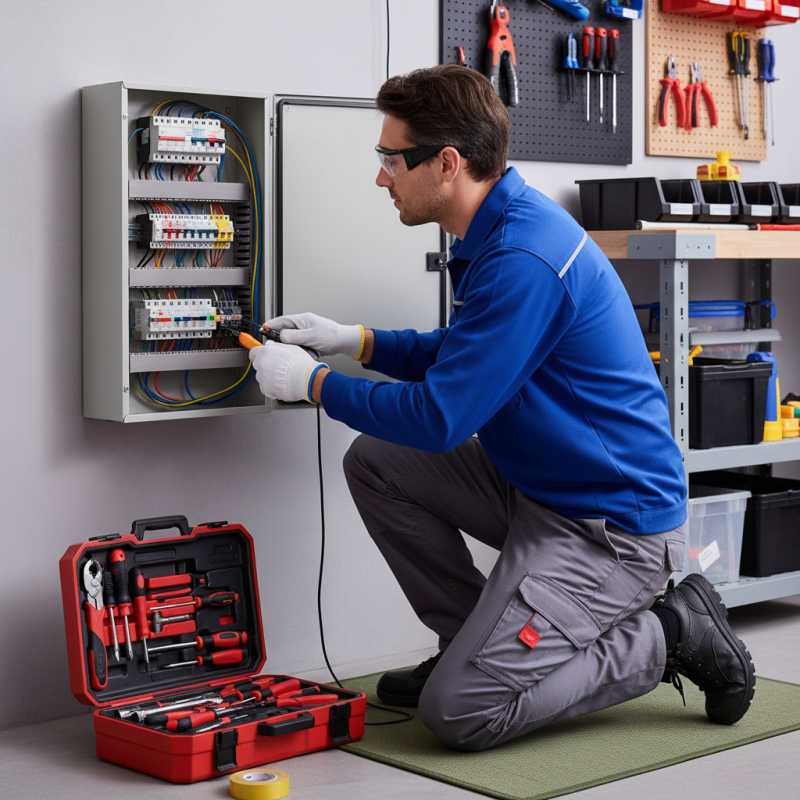
Understanding Electrical Safety Standards for Home Repairs
When performing home electrical repairs, understanding electrical safety standards is crucial for ensuring personal safety and compliance with regulations. The National Fire Protection Association (NFPA) reports that electrical failures or malfunctions are responsible for roughly 50,000 house fires annually in the United States, resulting in extensive property damage and numerous injuries. Adhering to recognized safety standards, such as the National Electrical Code (NEC), can significantly mitigate these risks, ensuring that any electrical work done in the home is up to code and safe for use.
One important aspect of electrical safety standards is the proper use of personal protective equipment (PPE) and the importance of circuit prevention measures. According to the Occupational Safety and Health Administration (OSHA), wearing appropriate PPE can reduce the risk of electrical accidents by 70%. Furthermore, de-energizing circuits before beginning work prevents potential electric shock, aligning with safety protocols that emphasize the importance of identifying and labeling circuits. Installing Ground Fault Circuit Interrupters (GFCIs) in areas prone to moisture, such as kitchens and bathrooms, is another recommended practice that can protect against electrical hazards, as GFCIs are known to prevent about 80% of electrocution incidents in these environments.
By familiarizing oneself with these standards and adopting best practices, homeowners can confidently undertake electrical repairs while minimizing risks. Prioritizing safety not only protects the individual performing the work but also safeguards the entire household from potential electrical hazards.
Essential Tools for DIY Electrical Maintenance and Repairs
When undertaking DIY electrical maintenance and repairs, possessing the right tools is crucial for ensuring safety and efficiency. According to the National Electrical Contractors Association (NECA), approximately 50% of electrical code violations arise from improper tool usage. Therefore, equipping yourself with essential tools can help mitigate these risks and support safer practices at home.
Key tools for electrical repairs include a voltage tester, which is vital for determining whether circuits are live before any work is carried out. Additionally, insulated screwdrivers are essential for preventing shocks while tightening or loosening terminals and screws. Wire strippers are also imperative, allowing for precise removal of insulation without damaging the wire itself. Moreover, wearing personal protective equipment such as rubber gloves can further ensure safety, as electrical hazards can result in severe injuries or fatalities. A report by the Occupational Safety and Health Administration (OSHA) highlights that proper protective gear reduces workplace incidents by over 30%, underlining the importance of safety measures during electrical work.
For effective maintenance, a multimeter is invaluable, aiding in diagnosing electrical issues by measuring voltage, current, and resistance. Studies from the Electrical Safety Foundation International (ESFI) reveal that homeowners who regularly maintain their electrical systems with the right tools can significantly reduce the risk of electrical fires, which accounted for an estimated 47,000 incidents in the U.S. in 2019. By utilizing these essential tools and adhering to safety guidelines, individuals can confidently tackle home electrical projects while minimizing associated risks.
Essential Tools for DIY Electrical Maintenance and Repairs
Step-by-Step Guide to Identifying Common Electrical Issues
Identifying common electrical issues at home is the first step towards safe and effective repairs. Start by observing symptoms such as flickering lights, tripped circuit breakers, or non-functional outlets. These signs often indicate underlying problems like a faulty circuit, overloaded electrical systems, or worn-out wiring. Take the time to document these issues and understand their frequency, as this information can be crucial when troubleshooting.
Tips for safe electrical repairs include turning off the power before starting any work. Use a voltage tester to confirm that the circuit is indeed de-energized. It's also advisable to wear insulated gloves and use tools with rubberized handles to prevent electric shock. Furthermore, if an issue seems beyond your understanding, don't hesitate to consult a licensed electrician. They can provide insights and solutions that may save you time and ensure your safety.
When addressing electrical problems, approach each task systematically. Begin with the most obvious issues and work your way to the more complex. Regular inspection of outlets, switches, and appliances for visible signs of wear can help catch problems early. Remember to keep your workspace well-lit and clutter-free to minimize hazards. Taking these precautions will not only enhance your safety but also increase the efficiency of your repair efforts.
How to Safely Perform Home Electrical Repairs: Tips and Best Practices
| Common Electrical Issues |
Symptoms |
Recommended Actions |
Safety Precautions |
| Flickering Lights |
Lights dim or flicker |
Check bulb and fixture connections; replace if necessary. |
Turn off power at the circuit breaker. |
| Dead Outlets |
Outlets not functioning |
Test with a voltage tester; replace outlet if faulty. |
Use insulated tools and wear rubber-soled shoes. |
| Circuit Breaker Tripping |
Breaker flips off frequently |
Identify overloaded circuits; redistribute loads. |
Ensure circuits are appropriately rated. |
| Burning Smell |
Smell of burning plastic |
Shut off power; inspect wiring and replace damaged cables. |
Do not attempt to fix until the issue is identified. |
| Shock or Tingle |
Feeling of electric shock when touching devices |
Stop using the appliance and check grounding. |
Always ensure appliances are properly grounded. |
Best Practices for Working with Live Wires and Circuits
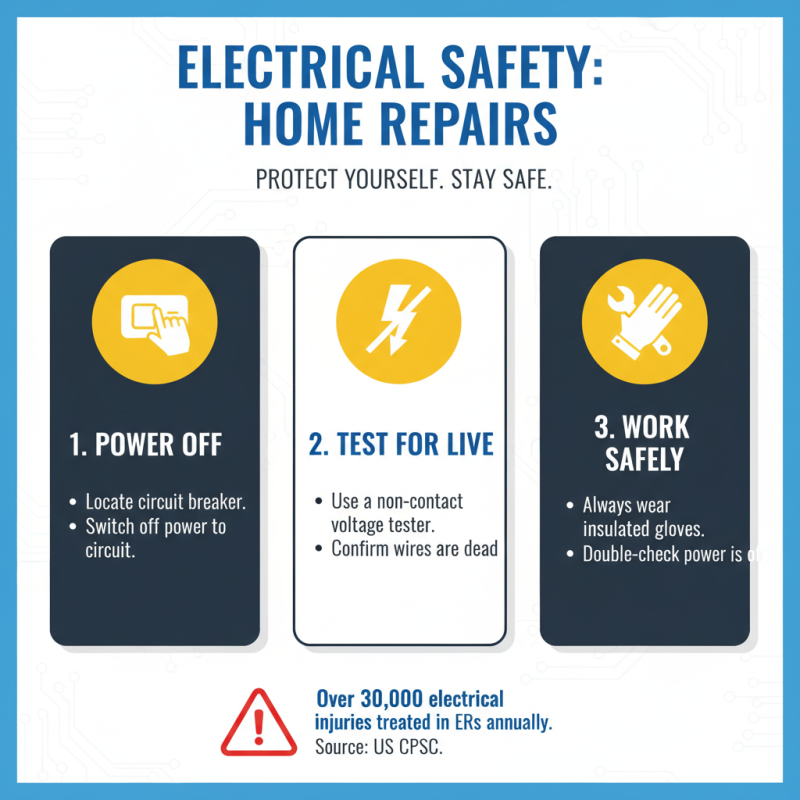
When working with live wires and circuits, safety should always be the top priority. According to the U.S. Consumer Product Safety Commission, over 30,000 electrical injuries are treated in emergency rooms each year, highlighting the importance of following best practices during home electrical repairs. One of the fundamental steps is to always turn off the power at the circuit breaker before starting any work. This simple action can prevent accidental electrocution or fire hazards. Additionally, using a non-contact voltage tester ensures that the wires you're working with are not live, adding an extra layer of security.
Tip: Wear insulated gloves and shoes to reduce the risk of electrical shock. It’s also advisable to work with one hand whenever possible; this minimizes the potential of creating a circuit through your body. Moreover, keep your workspace dry and free from any conductive materials to avoid accidental contact with live components.
Another best practice involves understanding the circuit layout. Utilizing a circuit map can help you identify which wires are live and where the circuit flows, minimizing confusion during repairs. Remember to never attempt to repair equipment that’s plugged in or to touch wires with bare hands. Proper training and preparation can significantly reduce the risks associated with electrical work, as noted in recent studies, indicating that well-prepared individuals are more likely to complete repairs safely.
Regulatory Compliance: When to Call a Licensed Electrician
When it comes to home electrical repairs, understanding when to call a licensed electrician is crucial for ensuring safety and compliance with local regulations. DIY electrical work can be tempting for homeowners looking to save money, but certain tasks require professional expertise to avoid hazardous situations. If your repair involves complex wiring, circuit breakers, or high-voltage systems, it's best to consult an experienced electrician.
They not only have the knowledge to address potential issues but are also familiar with local codes that must be adhered to in order to maintain a safe environment.
Additionally, understanding regulatory compliance is essential for any electrical project. Many jurisdictions require specific permits for substantial electrical work, which licensed electricians are typically equipped to handle. If you're unsure about the requirements in your area or whether your work falls within permissible DIY boundaries, it’s wise to err on the side of caution.
A qualified electrician can help ensure that all repairs meet necessary safety standards, significantly reducing the risks of fire hazards, electrocution, or code violations. Prioritize safety and compliance by consulting a professional when in doubt.