Top Home Electric Innovations to Watch in 2026?
As we look ahead to 2026, the world of home electric innovations is rapidly evolving. Home electric technologies are set to transform our daily lives. From smart appliances to energy-efficient systems, the possibilities are exciting. Imagine waking up to a home that anticipates your needs. What new solutions will emerge to enhance comfort and convenience?
Innovations in home electric solutions are driven by emerging technologies. The push for sustainability is at the forefront. For instance, solar energy integration may become commonplace. Electric vehicle charging stations could emerge as standard in homes. These advancements aim to reduce our carbon footprint while saving costs.
Yet, challenges persist. Many consumers may find new technologies daunting. There is a learning curve that can’t be ignored. Additionally, not all regions will receive these innovations equally. Accessibility might hinder wider adoption. Reflection on these issues will be crucial for makers and users alike as we progress.
Emerging Smart Home Technologies: Overview and Key Players in 2026
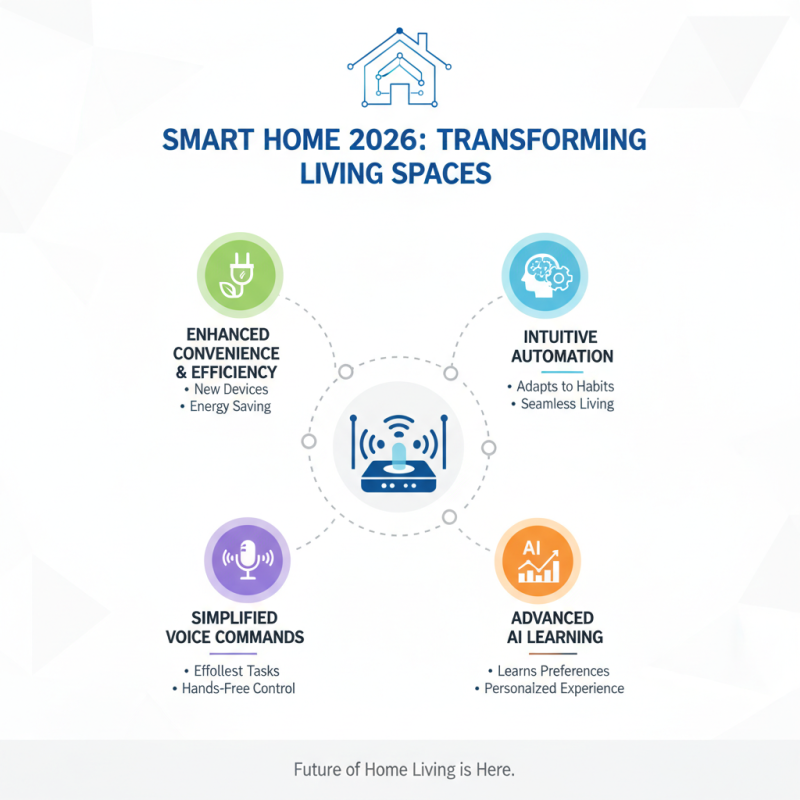
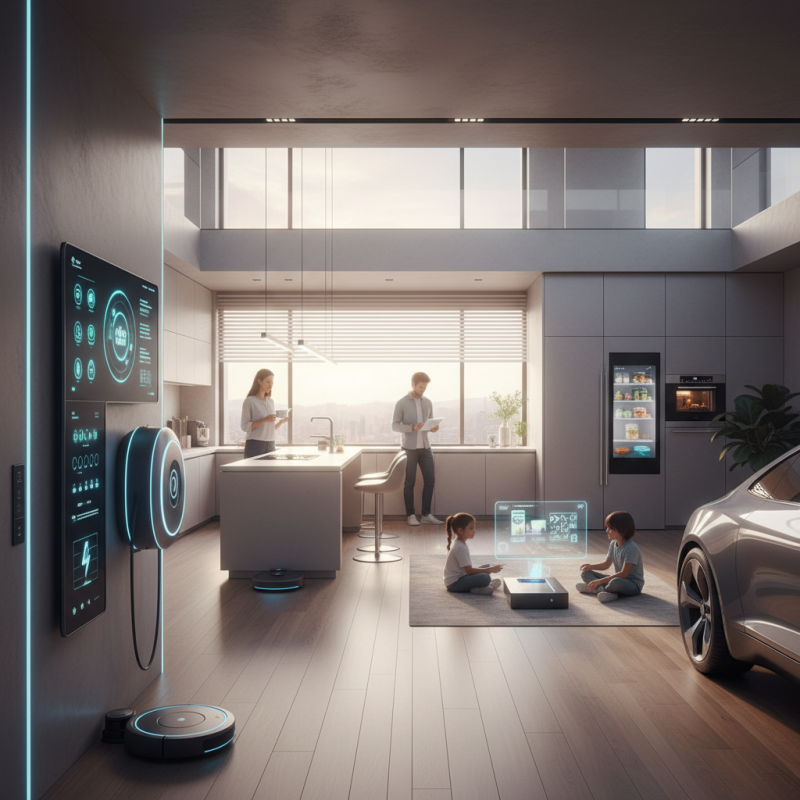
In 2026, smart home technologies will continue to transform our living spaces. New devices will enhance convenience and energy efficiency. Home automation will become more intuitive, adapting to residents' habits. Voice commands will simplify everyday tasks, while advanced AI will learn from our preferences.
Home security systems will evolve significantly. They will utilize facial recognition and motion detection. These developments may raise concerns about privacy. Users should evaluate their comfort levels with these technologies.
Tips: Regularly update your security settings to maintain safety. Consider the balance between convenience and privacy when adopting new smart technologies. Think critically about which devices enhance your life, and which complicate it.
Impact of AI Integration on Home Automation in 2026
As we look towards 2026, the integration of AI in home automation promises to transform daily living. Smart home devices will become more intuitive. They will learn our habits, preferences, and routines. Imagine a lighting system that adjusts itself based on the time of day or your mood. This level of personalization can make homes feel more comfortable.
However, the implications of AI integration are not entirely positive. There is a risk of over-reliance on technology. If devices fail or malfunction, it may lead to significant disruptions in daily life. Privacy concerns also arise, as smart devices collect vast amounts of personal data. This data could be exposed or mismanaged, leading to unwanted surveillance.
It's essential to remain cautious about these advancements. Home automation should enhance our lives, not complicate them. Deciding how much control we relinquish to technology is crucial. Striking a balance between convenience and security must be a priority. The promise of a smarter home is exciting, but we must also consider its challenges.
Top Home Electric Innovations to Watch in 2026
Sustainable Energy Solutions: Solar Innovations for Home Use by 2026
As we approach 2026, sustainable energy solutions are becoming increasingly essential for homeowners.
Solar innovations are at the forefront of this shift. The Solar Energy Industries Association projects that residential solar capacity could reach 30 gigawatts by 2026.
This growth will largely be influenced by enhanced photovoltaic technologies and energy storage systems.
Many households will benefit from improved solar panel efficiency. New materials and designs are set to make panels more effective.
For example, bifacial solar panels can capture sunlight from both sides. This can increase energy output by 20%.
Homeowners should consider this when upgrading their systems.
Tip: Monitor local incentives for solar installations. Many regions offer tax credits or rebates. This can significantly reduce initial costs.
Homeowners may hesitate due to perceived costs, but financing options are widely available.
Explore community solar programs as a low-cost alternative to traditional installations.
It’s not perfect yet, but it’s progress worth embracing.
Electric Vehicles and Home Charging: Trends and Predictions for 2026
The electric vehicle (EV) market is rapidly evolving. By 2026, home charging systems will undergo significant updates. Many homes will install more efficient chargers. These devices will offer faster charging times and improved connectivity features. Homeowners may enjoy the convenience of scheduling charging during off-peak hours.
With the rise of smart home technology, integration is key. Charging stations will likely communicate with home energy management systems. This interaction could optimize electricity usage and costs. Homeowners will have more control over their energy consumption. However, achieving compatibility among various devices remains a challenge.
Not all innovations will be perfect. Still uncertain is how to navigate the increasing demand for power. Homes might need upgrades to handle multiple EVs charging simultaneously. Some neighborhoods may face strain on local grids. This could lead to increased energy bills or power issues. Addressing these concerns will be essential for the future of home charging.
IoT Security Measures: Safeguarding Smart Homes in 2026
The advance of IoT in smart homes brings exciting innovations, yet it also raises significant security concerns. According to a report by Cybersecurity Ventures, cybercrime damages are projected to hit $10.5 trillion annually by 2025. This alarming figure underscores the urgent need for robust IoT security measures. With more devices connected, homes become more vulnerable to attacks. Without proper safeguards, personal data might be compromised, leading to financial and emotional distress.
Two major areas require focus: network security and device authentication. A study from the Ponemon Institute found that 58% of organizations are not equipped with the necessary security measures for IoT devices. This statistic reveals a troubling gap. Smart locks and cameras can be easily hacked if not secured properly. Consumers must implement strong passwords and enable two-factor authentication.
Experts warn about the risks posed by outdated firmware as well. Many IoT devices lack regular updates, making them susceptible to breaches. The security landscape is evolving, but it’s unclear if users will adapt quickly. Ongoing education about smart home vulnerabilities is crucial. Many individuals remain unaware of the risks associated with their connected devices. They may assume all safety measures are in place. This complacency could have serious repercussions in 2026 and beyond.