10 Essential Tips for Choosing the Right Cable Duct for Your Needs?
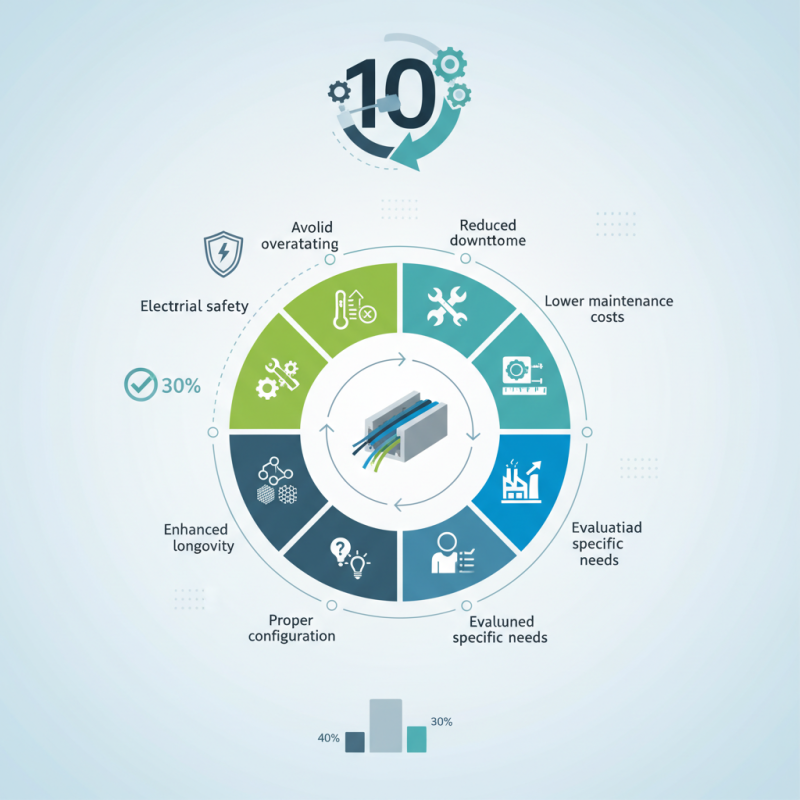
Choosing the right cable duct is crucial for efficient electrical installations. Industry reports indicate that improper cable management can lead to a surge in maintenance costs. For example, poorly managed cables can increase downtime by up to 30%. Selecting the appropriate duct significantly reduces these risks.
Cable ducts come in various materials, sizes, and configurations. Inadequate knowledge can lead to mistakes. The wrong choice may result in overheating or even damage to cables. Statistics show that 40% of electrical faults stem from improper cable handling. This data emphasizes the importance of making informed decisions.
Reflecting on such industry insights, it becomes clear that careful consideration is necessary. Evaluating specific needs will guide you toward the best option. The right cable duct not only enhances safety but also ensures longevity in installations. Hence, it’s wise to take the time to understand various offerings before committing.
Understanding the Different Types of Cable Ducts Available
When choosing the right cable duct, understanding the different types available is crucial. Cable ducts come in several varieties, each serving specific functions. PVC ducts are popular for their flexibility and ease of installation. They are lightweight and resistant to corrosion. A study by the International Electrotechnical Commission (IEC) notes that over 45% of electrical installations use some form of PVC duct.
Metal ducts, like aluminum and steel, offer durability and strength. They are ideal for high-load applications and areas with heavy traffic. However, they can be heavier and more challenging to install compared to their plastic counterparts. According to a report by the National Electrical Manufacturers Association, about 30% of industrial projects prefer metal cable management due to their longevity.
It's essential to consider your environment when selecting a duct type. For example, in moist areas, non-corrosive materials are necessary. Conversely, lightweight ducts may suffice in dry conditions. Misjudging your project's requirements can lead to costly mistakes. Always assess your specific needs based on installation location and the type of cables you plan to use. Choosing wisely makes a significant impact on efficiency and safety.
10 Essential Tips for Choosing the Right Cable Duct for Your Needs
| Type of Cable Duct | Material | Size Options | Installation Type | Best Use Case |
|---|---|---|---|---|
| PVC Duct | PVC | 20mm, 40mm, 60mm | Surface Mount | Residential wiring |
| Metal Duct | Aluminum, Steel | 20mm to 100mm | Surface or Flush Mount | Commercial installations |
| Flexible Duct | PVC | Varied Sizes | Flexible Installation | Tight spaces |
| Cable Ladder | Steel | Varied Widths | Wall Mounted | Heavy-duty installations |
| Trunking Duct | Plastic/Aluminum | 50mm to 200mm | Surface Mounted | Large networks |
Assessing the Material Durability and Weather Resistance of Cable Ducts
When choosing a cable duct, assess its material durability and weather resistance carefully. Different materials provide various levels of protection. For example, polyethylene (PE) offers good resistance to moisture and UV rays. This makes it a popular choice for outdoor installations. In fact, surveys show that about 70% of professionals prefer PE for its cost-effectiveness and resilience.
Consider the local environment when selecting a cable duct. Areas prone to heavy rain or extreme temperatures may require more robust options. Fiberglass-reinforced plastics (FRP) or high-density polyethylene (HDPE) can withstand harsh weather and mechanical stress. According to a recent industry report, nearly 60% of cable failures are attributed to environmental factors. This highlights the need for choosing the right materials.
However, it’s important to recognize that no material is entirely impervious. For instance, while metal ducts offer durability, they can corrode if not properly treated. Many installers overlook this detail. Remember, even the best options may have limitations. Regular inspection and maintenance play a crucial role in ensuring the long-term performance of cable ducts.
Evaluating the Size and Capacity Requirements for Your Cable Duct
Choosing the right cable duct is crucial for any project. Start by assessing the size and capacity requirements carefully. Measure the cables you plan to use. This includes their diameter and length. It's essential to account for additional cables in the future. Often, we underestimate the need for expansion.
Consider the environment where the duct will be installed. Indoor and outdoor ducts have different requirements. Outdoor ducts may need extra protection against weather. Indoor ducts might require aesthetics that fit the space. Each situation demands its own specific solution. This might require more thought.
Ventilation is another important factor. A well-ventilated duct helps to prevent overheating. Ignoring this can lead to potential issues. Remember that overloading the duct is a risk you want to avoid. Sometimes, it's necessary to consult with experts. They can provide insights that one may overlook. Don't rush this decision; it’s essential for long-term functionality.
Considering Installation Location and Environmental Factors
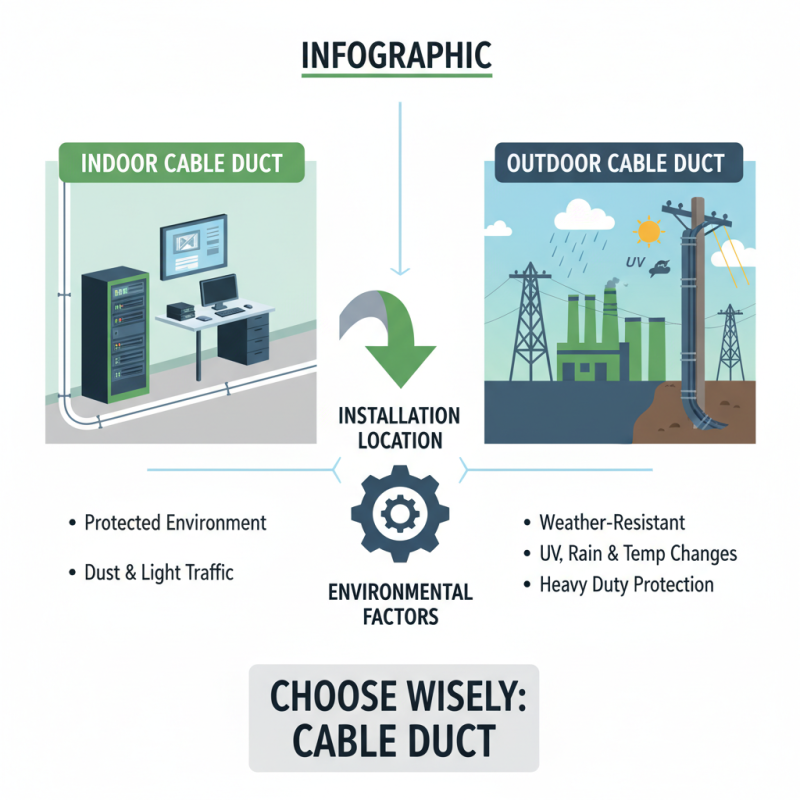
When choosing a cable duct, the installation location and environmental factors are crucial. You need to consider where the duct will be placed. Indoor settings can vary significantly from outdoor environments. For instance, outdoor ducts should be weather-resistant. They must withstand UV rays, rain, and temperature changes.
The type of soil can also play a role if you are installing underground. Rocky or wet soil requires more durable materials. Ensure the duct can handle these conditions to avoid future damage. This is where tip three becomes important. Pick a cable duct that matches your specific location.
Additionally, think about the potential for physical damage. Areas with heavy foot traffic or machinery should use reinforced ducts. This can prevent wear over time. Choose options that offer both strength and protection. Measure your space accurately. The fit should be snug without being too tight, which can cause stress on the cables. Each installation is unique, and reflecting on these details can lead to a better outcome.
Exploring Cost-Effectiveness and Maintenance Needs of Cable Ducts
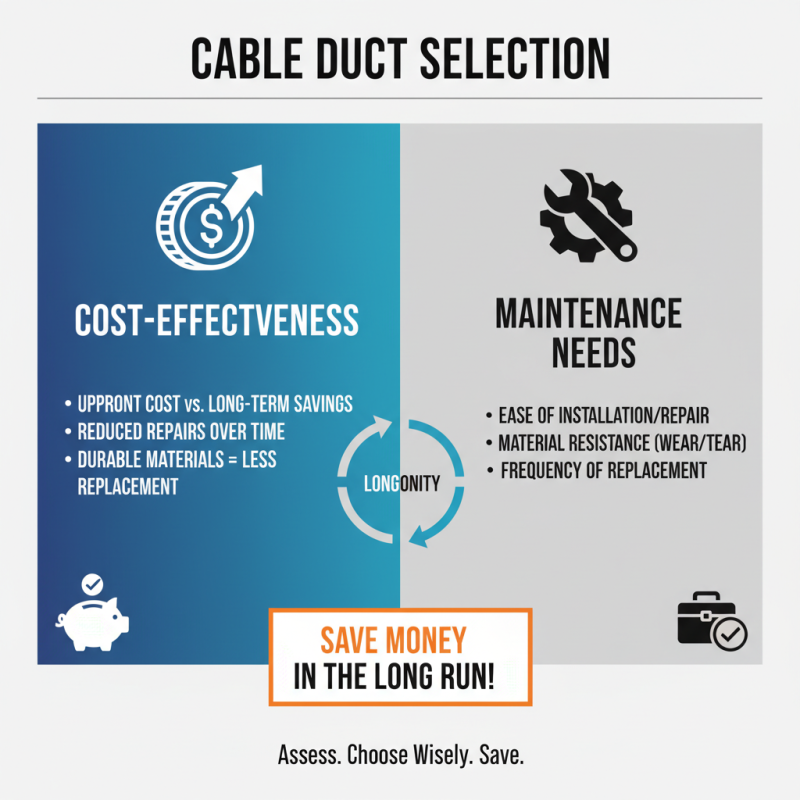
When selecting a cable duct, cost-effectiveness and maintenance needs are crucial factors. The right duct can save you money in the long run. A higher upfront cost may lead to reduced repairs over time. Assess the materials used. Durable options may have a steeper price tag but will withstand wear and tear. Cheaper alternatives might require frequent replacements, leading to more expenses.
Maintenance is another key consideration. Regular inspections can prevent major issues. Consider how easy it is to access the duct for cleaning. Some designs may provide better accessibility. Cleaning is essential to avoid dust accumulation. A duct that is hard to reach can become a maintenance nightmare. Think about the installation process too. Complicated setups might lead to improper usage and potential damage.
It's essential to remember that appearance matters, as well. While functionality is critical, aesthetics can influence choices. Are you sacrificing design for practicality? Sometimes, the duct looks great but doesn’t perform well. Finding a balance between looks, maintenance, and cost can be challenging. Reflecting on these aspects will guide you toward the right cable duct.
Related Posts
-
Exploring the Essential Benefits of Cable Ducts in Modern Infrastructure Design
-

2026 Top Trends in Electric Cable Duct Solutions for Efficient Wiring?
-
How to Choose the Best Cable Holder for Organizing Your Cables Efficiently
-

Mastering Wire Management Techniques to Enhance Workplace Productivity and Safety in 2024
-

What is Cable Management? Tips for Organizing Your Wires Effectively
-
Why Cable Management is Essential for a Tidy and Efficient Work Environment