10 Essential Tips for Choosing the Right Cable Supplier for Your Business Needs
In today's fast-paced business environment, the selection of the right cable supplier has become a critical factor for companies looking to maintain operational efficiency and competitive advantage. According to a recent industry report by MarketsandMarkets, the global cable and wire market is anticipated to grow from $202 billion in 2021 to $244 billion by 2026, underscoring the increasing reliance on sophisticated cabling solutions across various sectors. This growth is driven by the rapid advancements in technology and a heightened focus on infrastructure development, making it imperative for businesses to choose their cable suppliers wisely.
Expert insights into this sector further emphasize the importance of making an informed decision when selecting a cable supplier. John Carter, a seasoned professional in the cable industry, states, "Choosing the right cable supplier is not just about price; it’s about reliability, quality, and the ability to meet specific business needs." This sentiment reflects the complexities businesses face in sourcing cables that not only meet stringent regulatory standards but also align with their operational requirements. As the cable market continues to expand, understanding the nuances of supplier selection is more crucial than ever for businesses aiming to thrive in an increasingly interconnected world.

Understanding Your Business's Cable Requirements
When selecting a cable supplier, understanding your business's specific cable requirements is crucial. Every industry has its unique demands, whether it’s telecommunications, power distribution, or data transfer. Identifying the types of cables you need, such as coaxial, fiber optic, or power cables, will guide you in choosing a supplier that specializes in those areas. Consider factors like cable length, insulation type, and environmental durability to ensure the cables can withstand the conditions they’ll be exposed to in your operational environment.
Additionally, evaluating the technical specifications of your cables is vital. This includes understanding parameters such as voltage ratings, frequency capabilities, and data transmission speeds that your business requires. A thorough assessment will help you communicate your needs more effectively with potential suppliers. Additionally, seeking advice from technical experts within your organization can provide insights into future scalability and integration with existing systems. By prioritizing your business’s cable requirements, you can foster more productive discussions with suppliers and ultimately make a more informed decision.
Evaluating Supplier Experience and Reputation
When selecting a cable supplier, evaluating their experience and reputation is crucial to ensuring that your business needs are met effectively. According to a recent industry report by Grand View Research, the global cable and wire market is projected to reach USD 225.32 billion by 2025, underscoring the importance of reliability and quality in supplier partnerships. A supplier with extensive industry experience brings valuable insights and a proven track record, which can greatly impact the efficiency of your operations. Companies operating in the electrical and telecommunications sectors, for instance, often benefit from suppliers that have navigated market fluctuations and have developed adaptive solutions over time.
Reputation can significantly influence your supplier choice. Firms with strong reputations typically prioritize customer satisfaction and quality assurance, reflected in favorable reviews and case studies. According to a survey by Cables.com, 78% of businesses report that their supplier's reputation played a critical role in their purchasing decisions. Suppliers that actively seek feedback and maintain transparency in their practices tend to develop stronger relationships with clients, leading to better collaboration and support. Assessing a supplier's reputation through testimonials, industry awards, and social media feedback can provide deeper insights into their reliability and commitment to service excellence.
Comparing Pricing and Quality of Cable Products
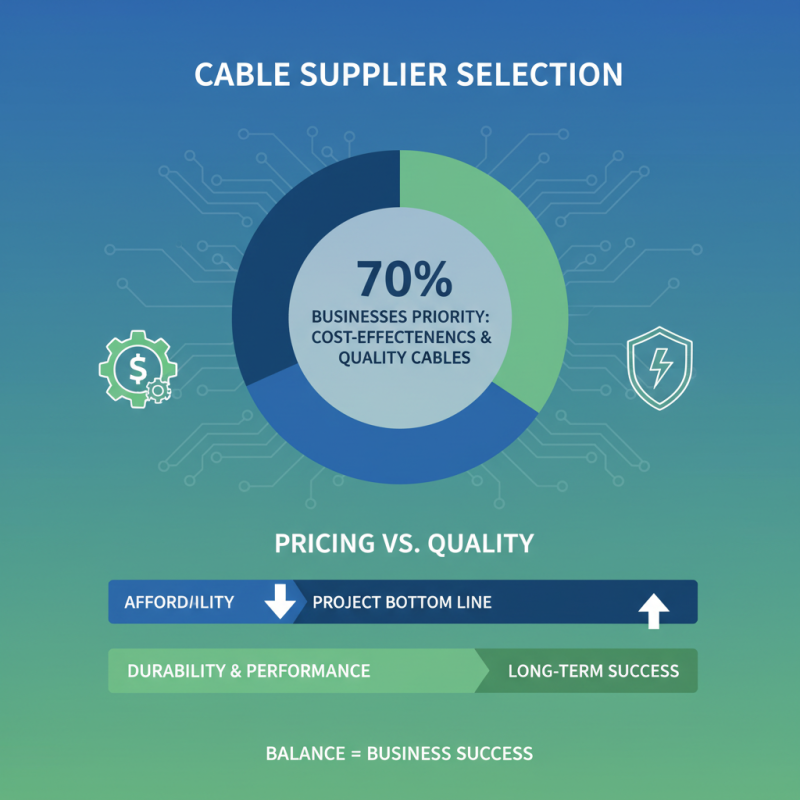
When it comes to selecting the right cable supplier, the comparison of pricing and quality is crucial for ensuring long-term business success. Studies indicate that 70% of businesses prioritize cost-effectiveness while still demanding high-quality products, especially in industries that rely heavily on performance and durability of cable systems. A well-structured pricing strategy that balances affordability with quality can significantly impact your project's bottom line.
When evaluating potential suppliers, consider the following tips to ensure you make a well-informed decision. Firstly, conduct a comprehensive analysis of the materials used in the cables. According to industry reports, the type of insulation and conductors can affect both performance and safety. Suppliers that utilize high-grade materials often justify higher prices due to longer lifespan and reliability, leading to lower replacement costs over time.
Additionally, request samples and reviews of products to directly compare their performance in real-world applications. Research has shown that approximately 65% of companies found value in obtaining third-party certifications that vouch for the quality and safety standards of the cables they are procuring. Ensuring that your supplier has these certifications can safeguard your business from potential liabilities and ensure compliance with industry standards. Investing the time to compare prices while emphasizing quality will ultimately help optimize your supply chain.
Assessing Supplier Customer Support and Service
When selecting a cable supplier, one of the most critical factors to consider is the level of customer support and service they provide. A reliable supplier should have a robust customer service framework in place, responsive to inquiries and capable of addressing issues promptly. This means having multiple channels of communication, such as phone support, email, and live chat options, allowing businesses to reach out for help when they need it most. A proactive customer service team can significantly enhance the partnership, ensuring that any problems are resolved quickly and efficiently.
Additionally, it’s essential to assess the supplier's reputation for after-sales service. Consider how well they support clients after delivery, particularly in terms of warranty claims and returns. A trustworthy supplier will provide clear guidelines regarding their return policies and be willing to offer assistance to resolve any potential problems with the products. Regular follow-ups or check-ins by the supplier can also be an indicator of their commitment to customer satisfaction. By prioritizing suppliers known for their excellent support and service, businesses can create a dependable foundation for their operations.
10 Essential Tips for Choosing the Right Cable Supplier for Your Business Needs - Assessing Supplier Customer Support and Service
| Criteria |
Description |
Importance Level |
| Response Time |
The speed at which the supplier responds to inquiries and issues. |
High |
| Technical Support Availability |
Access to knowledgeable technical staff who can assist with product-related issues. |
Medium |
| After-Sales Service |
Support offered after the purchase to resolve issues or provide assistance. |
High |
| Warranty and Guarantees |
Terms of warranty that protect your investment in case of defects. |
High |
| Communication Channels |
Availability of multiple channels for customer communication (phone, email, chat). |
Medium |
| Customer Reviews and Feedback |
Insights from other customers about their experiences with the supplier. |
High |
| Customization Options |
Ability to provide tailored products or solutions to meet specific needs. |
Low |
| Delivery Time |
Expected time frame for receiving orders after placement. |
High |
| Returns Policy |
Clear instructions on the process for returning defective or unwanted products. |
Medium |
| Pricing Transparency |
Clear and upfront pricing with no hidden fees. |
High |
Investigating Delivery Times and Supply Chain Reliability
When selecting a cable supplier, delivery times and supply chain reliability are crucial factors that can significantly impact your business operations. A reliable supplier should be able to provide you with consistent delivery schedules, allowing you to manage inventory more effectively and avoid disruptions in your production flow. Ensure you ask potential suppliers about their average delivery times and whether they have mechanisms in place to handle delays or supply chain issues.
Tip: Always seek references or testimonials from other businesses that have worked with the supplier. This can provide valuable insight into their reliability and how they manage delivery schedules.
Another important aspect to consider is the geographical location of the supplier. Suppliers based closer to your business can often deliver products more quickly and efficiently, particularly in urgent situations.
Tip: Evaluate the supplier's logistics and distribution capabilities. A supplier with a robust logistics framework is more likely to meet your delivery expectations and ensure your supply chain remains resilient in the face of unforeseen challenges.
Delivery Times and Reliability of Cable Suppliers