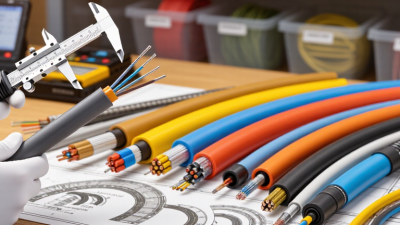
Top 10 Duct Cable Types How to Choose the Right One?
Choosing the right duct cable is not a simple matter of matching diameter to distance. Duct size, pulling tension, moisture, temperature, bend radius, and network capacity all affect long-term performance. A cable that slides easily through a clean 50-meter conduit may struggle inside an older duct with crushed sections or sharp bends. Small details matter.
This guide examines ten common duct cable types used in telecommunications, data networks, security systems, and industrial installations. It considers fiber optic cables, coaxial designs, copper communication cables, armored options, and cables built for high-density duct routes. Each type has practical strengths and limitations. Some offer excellent bandwidth, while others provide easier termination or better mechanical protection. None is perfect.
Real installation experience shows that product labels rarely tell the whole story. Technicians should check the cable’s outer diameter, tensile rating, compression resistance, flame performance, and operating temperature. They should also confirm compatibility with ducts, connectors, pulling equipment, and local project requirements. A lower purchase price can become expensive when replacement work requires road excavation or service interruption.
This overview is designed to support informed decisions, not replace engineering judgment. Site conditions can change the answer. A dry indoor duct, a buried roadside conduit, and a crowded utility pathway demand different solutions. Careful testing, manufacturer documentation, and advice from qualified professionals remain essential. The best duct cable is the one that performs reliably in its actual environment, not merely the one with the longest specification sheet.
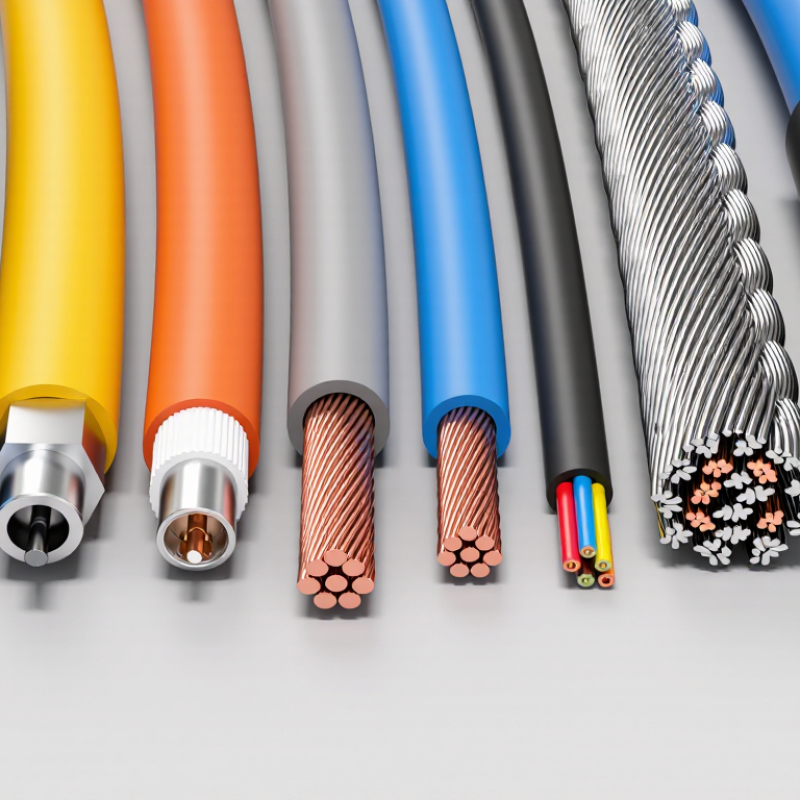
What Are Duct Cables and Where Are They Used?
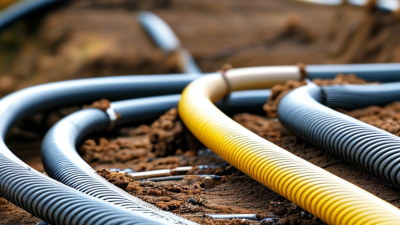
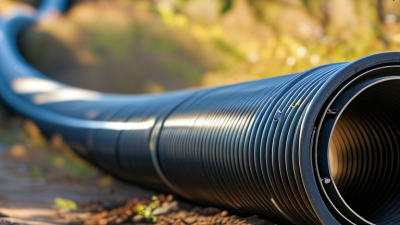
Duct cables are fiber-optic or power cables designed to run inside underground conduits, microducts, utility tunnels, and building pathways. Their protective jackets resist moisture, pulling tension, crushing, and temperature changes. The cable itself is not the duct. It is the flexible communication or power link placed inside it.
Telecommunications networks use duct cables for fiber-to-the-home, metropolitan links, and data-center connections. Transport systems, hospitals, campuses, and industrial sites also use them where reliable routing matters. The FTTH Council Europe’s 2024 Market Panorama reported about 244 million homes passed by fiber in Europe during 2023. That scale explains the growing need for compact, high-density cable designs. The International Telecommunication Union also reported 5.4 billion people online in 2023, increasing pressure on network capacity.
Common designs include loose-tube, ribbon, microduct, armored, and bend-insensitive fiber cables. Loose-tube cables suit longer outdoor routes because their structure handles moisture and temperature variation.
Ribbon cables save space in dense ducts and support faster mass splicing. Microduct cables work well in crowded pathways, but installation needs careful air pressure and cable compatibility checks.
Choose by route conditions, not appearance. Measure duct diameter, bend radius, pulling distance, water exposure, and future capacity. A cable that fits may still fail during installation. That detail is often underestimated. Local fire, electrical, and civil standards must also guide the final specification. Some projects need spare ducts; others need smaller cables and better sealing. The right choice depends on evidence from the site, not only a product sheet.
The Top 10 Duct Cable Types and Their Key Features
Duct cable selection starts with the route, not the catalogue. ITU Facts and Figures 2023 reported 5.4 billion internet users worldwide, increasing pressure on reliable access networks. The IEC 60794 cable family provides useful testing references for optical cables. In practical installations, temperature, pulling tension, water exposure, and future capacity matter most. Small mistakes become expensive underground.
The top 10 duct cable types have distinct strengths. Loose-tube cable protects fibers inside gel-filled or dry tubes. Ribbon cable offers high fiber density and fast mass splicing. Microduct cable fits narrow pathways and supports later expansion. Blown-fiber cable installs lightweight fiber through installed ducts using compressed air. Armored cable adds mechanical protection in harsh routes. Non-armored cable reduces weight and cost in protected ducts. Single-mode cable suits long-distance and high-capacity links. Multimode cable works well across shorter data-center routes. Bend-insensitive cable handles tight cabinets and compact closures. Hybrid power-fiber cable carries optical data and electrical power together.
The choice needs evidence from the site. A 288-fiber ribbon cable may save duct space, but its splicing equipment can raise labor costs. A microduct system may look flexible, yet poor sealing can admit water. Fiber Broadband Association research continues to show strong fiber deployment momentum across access networks, but demand forecasts are not installation plans. Check fill ratio, minimum bend radius, attenuation, crush resistance, and local fire requirements. Overlooking one detail is common. It is also costly.
Top 10 Duct Cable Types and Their Key Features
This comparison uses a 1–5 engineering rating, where 5 indicates a stronger relative advantage.
Loose-tube and dry water-blocked designs provide strong outdoor protection, ribbon and high-fiber-count cables maximize fiber density, while microduct cables are optimized for space-efficient installation and future expansion. The best choice depends on duct size, pulling conditions, fiber capacity, moisture exposure, and required mechanical protection.
How to Choose the Right Duct Cable for Installation Conditions
Choosing duct cable starts with the route, not the product label. Inspect duct diameter, inner-wall condition, bends, water, and pulling distance. A cable that fits an empty duct may fail after several tight bends. Measure the usable space. Leave room for pulling tools and future replacement. This small detail is often missed.
For long outdoor routes, loose-tube fiber cable usually handles moisture and temperature changes well. Use water-blocking materials when ducts may collect rainwater or condensation. In crowded microducts, choose a smaller cable with a controlled outer diameter. Check its minimum bend radius before installation.
The radius matters most near handholes and cabinet entries. Tight-buffered designs can be easier to terminate indoors, but they may not suit every long duct pull. That trade-off deserves attention.
Calculate pulling tension from distance, bends, cable weight, and lubricant compatibility. Never trust a simple distance estimate. Confirm rated tension, crush resistance, operating temperature, and fire performance against project requirements and applicable standards.
A pre-installation inspection and short trial pull can expose problems early. I have seen teams focus on fiber count and overlook duct friction. That choice looked efficient. It was not. Record test results, end-face cleanliness, and optical loss after placement. If site conditions change, review the selection again rather than forcing the original plan.
What Standards and Safety Factors Should Duct Cables Meet?
A duct cable must meet more than a transmission requirement.
Its design should match the duct, installation method, and local fire rules. For communications projects, engineers commonly check IEC and EN requirements, plus applicable national electrical codes. Project specifications still control. Do not treat one certificate as universal approval.
The jacket should resist moisture, abrasion, and pulling damage. A water-blocking layer can limit migration after a sheath cut. Check tensile strength, crush resistance, impact performance, and minimum bend radius in the datasheet. During installation, keep pulling loads below the stated limit. A tight bend at a handhole may pass today and fail after winter. That detail is easy to miss.
Fire performance deserves equal attention. Where required, select a cable tested for flame spread, smoke production, and halogen behavior. Low-smoke, halogen-free construction may reduce harmful fumes, but it is not suitable for every duct or climate. Confirm CPR classification or equivalent local requirements before ordering. Installers should record batch data, test reports, and pulling conditions. Leave a small design margin for temperature and route changes. In practice, that margin is sometimes forgotten. Record actual pulling tension, bend locations, and ambient temperature during installation.