Why Choose Wire Duct for Your Electrical Management Needs?
In today's fast-paced world, managing electrical systems efficiently is crucial. Wire duct is an essential tool in this regard. It helps organize and protect cables, reducing hazards that could disrupt operations. Many facilities struggle with cable clutter. This can lead to safety issues and costly downtime.
Using wire duct can enhance safety and maintain a clean environment. It keeps cables secure and out of sight, minimizing tripping hazards. Effective cable management is often overlooked. Yet, it is vital for both performance and aesthetics. A well-organized system is more reliable and easier to troubleshoot.
However, some may underestimate the importance of selecting the right materials. Not all wire ducts are created equal. Understanding their features and applications is important. Engaging with professionals in the field can provide valuable insights. Adopting wire duct not only improves functionality but also reflects a commitment to safety and quality in electrical management.

The Overview of Wire Duct in Electrical Management Systems
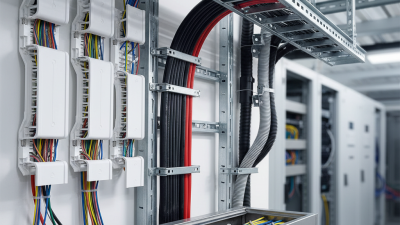
Wire ducts are essential components in electrical management systems. They serve as organized channels for electrical wires and cables, protecting them while maintaining a neat appearance. This organization prevents tangling and damage, which can lead to costly repairs. In commercial and industrial settings, wire ducts help streamline electrical installations.
Using wire ducts improves safety. They reduce the risk of electrical fires by minimizing exposure to dust and debris. In addition, wire ducts keep cables secure, lowering the chances of accidental disconnections. Choosing the right wire duct can be challenging due to the variety of options available. It's important to consider factors like size, material, and environment.
Some installation processes can be tricky. Proper cutting and fitting require careful measurement. Misjudgments may lead to wasted materials and time. Users often overlook the importance of planning, which can result in suboptimal arrangements. Regular maintenance of wire ducts is also necessary. Dust accumulation can hinder effectiveness. Ultimately, wire ducts play a crucial role in efficient electrical management.
Why Choose Wire Duct for Your Electrical Management Needs? - The Overview of Wire Duct in Electrical Management Systems
| Dimension | Material | Color | Application | Benefits |
|---|---|---|---|---|
| 20 x 10 mm | PVC | Gray | Indoor wiring | Cost-effective, easy installation |
| 25 x 25 mm | Polycarbonate | Black | Data centers | Durable, high impact resistance |
| 15 x 7.5 mm | Metal | Silver | Industrial settings | Anti-static, fire-resistant |
| 40 x 20 mm | PVC | White | Office environments | Aesthetically pleasing, flexible design |
| 30 x 15 mm | Aluminum | Gray | Outdoor applications | Weather-resistant, strong |
Key Benefits of Using Wire Duct for Cable Organization
Wire ducts have become a preferred solution for effective cable organization in modern electrical systems. According to the National Electrical Contractors Association, proper cable management can reduce the risk of electrical fires by up to 30%. Wire ducts offer a structured pathway, keeping cables neatly organized and reducing clutter. This not only enhances safety but also improves maintenance efficiency.
Using wire ducts helps in the prevention of tangling and accidental disconnections. A clean layout aids in easy identification of wires during troubleshooting. Additionally, research from the Institute of Electrical and Electronics Engineers shows that organized wiring can improve airflow, preventing overheating. This is crucial for the longevity of both cables and electrical devices.
Tips: Remember to choose the right size of wire duct for your needs. Overcrowding can lead to issues. Regular maintenance checks on wire ducts can ensure their effectiveness. Keeping an eye on wear and tear is important. Don’t overlook the importance of labeling wires for future reference.
Industry Standards and Compliance for Wire Duct Applications
When selecting wire duct for electrical management, industry standards and compliance play a critical role. Wire ducts must meet specific regulations that ensure safety and efficiency. Adhering to these standards minimizes the risks of fires and electrical failures. Each region has its guidelines, which can differ significantly. Understanding these local requirements is crucial for proper installation.
Additionally, wire ducts need to be tested for quality and performance. Common tests include temperature rise and electrical insulation resistance. A reliable wire duct will not only comply with safety regulations but also enhance the longevity of electrical installations. Many projects falter at this stage due to a lack of due diligence regarding compliance.
Practitioners should be mindful that selecting the wrong materials can lead to serious consequences. Regular audits can help maintain standards. Transparency in sourcing and installation is important. While industry guidelines exist, they are not always followed perfectly. Continuous education on these standards can improve compliance rates across projects. This proactive approach benefits everyone involved, from installers to end-users.
Cost Analysis: Wire Duct vs. Traditional Cable Management Methods
When considering cost efficiency in electrical management, wire ducts emerge as a viable option. Traditional cable management methods, such as conduit and loose cables, often lead to higher installation and maintenance costs. Wire ducts streamline organization, reducing clutter and improving accessibility. This translates to lower labor costs during installation and future upgrades.
Wire ducts are designed for versatility. They can accommodate varying cable sizes and types, which reduces the need for multiple management systems. The initial investment might seem significant, but their long-term benefits outweigh the costs. Moreover, improper cable management can lead to potential hazards and equipment damage, necessitating additional expenses for repairs.
However, some may find wire ducts challenging to install in tighter spaces. This could increase initial labor costs, contradicting the expected savings. Understanding site conditions is essential before choosing a management solution. Investing in a robust system is critical for safety and efficiency, presenting an opportunity for reflection on organizational practices in electrical management.
Cost Analysis: Wire Duct vs. Traditional Cable Management Methods
Environmental Considerations: Recyclability and Material Choices in Wire Duct
When choosing wire duct for electrical management, environmental considerations play a crucial role. Many manufacturers now focus on recyclability and sustainable materials. Using recycled plastics can significantly reduce the carbon footprint of wire duct products. This shift not only benefits the environment but also aligns with modern eco-friendly practices.
However, not all wire ducts are created equal. Some materials may claim to be recyclable but lack proper facilities for processing. Consumers should verify if their local recycling programs can handle these materials. Additionally, the lifecycle of production methods influences overall sustainability. High-quality wire ducts can last longer, reducing waste over time.
Selecting wire ducts made from renewable sources is another option. Biodegradable materials can address environmental concerns, yet they may compromise durability. It's essential to find a balance between environmental benefits and practical utility. As the industry evolves, ongoing dialogue about material choices remains vital for sustainable electrical management.
Related Posts
-
2026 Best Wire Duct Solutions for Organized Electrical Wiring?
-

Mastering Wire Management Techniques to Enhance Workplace Productivity and Safety in 2024
-

10 Best Cable Cover Solutions for a Tidy Home or Office?
-

Best Cable Duct Solutions for Efficient Wiring Systems?
-
Maximizing Electrical Safety: The Essential Role of Cable Ducts in Modern Infrastructure
-

2025 Guide: How to Choose the Best Wire Duct for Your Cable Management Needs