How to Choose the Right Electric Cable for Your Needs?
Choosing the right electric cable is crucial for both safety and performance. According to the International Electrotechnical Commission (IEC), improper cable selection is a leading cause of electrical failures. Electrical systems rely heavily on quality cables. A reliable electric cable can enhance efficiency, reduce energy loss, and prevent hazards.
In the United States alone, electrical malfunctions account for nearly 50,000 fires yearly, emphasizing the need for appropriate selection. Various factors, such as voltage, current capacity, and environmental conditions, influence the ideal choice. Each application demands specific features. For example, outdoor cables must withstand UV radiation and moisture, while indoor cables may prioritize flexibility.
While there are established guidelines, selecting the right electric cable isn’t straightforward. Mistakes happen, and even experienced professionals can overlook details. It’s essential to continually assess needs and re-evaluate current selections. Exploring new materials and technologies can also provide better solutions. Balancing cost with reliability remains a challenge. Therefore, thorough research and expert advice are vital in making informed decisions about electric cable choices.
Understanding Different Types of Electric Cables and Their Applications
Choosing the right electric cable is crucial for safety and efficiency. Electric cables come in various types, each designed for specific applications.
For instance, a standard household cable is often suitable for general wiring tasks. However, when it comes to outdoor projects, using a weather-resistant cable is essential. This ensures durability and performance even in harsh conditions.
Different cables also vary in their insulation and conductor materials. Copper cables are popular due to their excellent conductivity, while aluminum cables are lighter and more cost-effective. Understanding these differences can guide your selection process. Environmental considerations should not be overlooked either. Certain cables may not perform well in extreme temperatures, leading to potential safety hazards.
Reflecting on your needs is vital. Do you require a cable for heavy-duty machinery or light appliances? Each choice carries implications for safety and efficiency.
It's easy to overlook details, but doing so can lead to costly mistakes. Consider consulting with a professional for your specific requirements, ensuring you make informed decisions that meet your project's demands.
Key Factors to Consider When Selecting Electric Cables
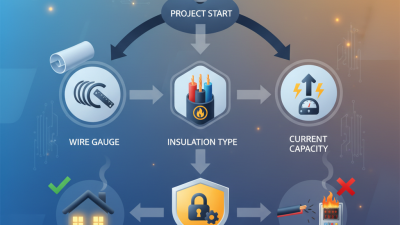
Selecting the right electric cable for your needs involves understanding several key factors. The cable's voltage rating is crucial. For instance, cables rated for 600 volts are typical for residential use, while industrial settings may require higher ratings. Misjudging the voltage can lead to failures or hazards. Additionally, consider the ampacity, which indicates how much current the cable can safely carry. According to industry reports, choosing a cable with inadequate ampacity can result in overheating and potential fires.
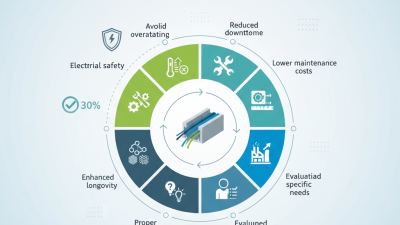
Insulation type is another significant factor. Different materials like PVC and XLPE offer varying degrees of resistance to heat and moisture. Choosing the wrong insulation could lead to premature cable failure. It's essential to match the insulation type with your specific environmental conditions. A study from the National Electrical Manufacturers Association highlights that nearly 30% of cable failures are due to improper insulation selection.
When making a choice, keep load requirements in mind. Calculate the total wattage of all devices powered by the cable. This ensures you do not overload the cable, which is a common pitfall. Evaluate installation conditions as well, such as temperature and exposure to chemicals. Each of these factors affects cable performance significantly. Regularly review these parameters, as they may change over time, impacting long-term safety and efficiency.
Understanding Electric Cable Types and Their Applications
This chart illustrates the performance ratings of various types of electric cables based on their properties and applications. Copper cables are shown to have the highest performance rating, followed by Fiber Optic and Aluminum cables. Coaxial and Twisted Pair cables have comparatively lower ratings, which may affect their suitability for certain projects.
Evaluating Voltage and Current Ratings for Cable Selection
When selecting an electric cable, understanding voltage and current ratings is crucial. Voltage ratings indicate the maximum voltage a cable can safely handle. For example, a cable rated for 600 volts should not be used in a 1200-volt system. This misjudgment can lead to overheating or even fire hazards. Each application demands careful consideration, as exceeding the voltage limit can compromise safety and performance.
Current ratings, often defined as the ampacity, indicate the maximum current a wire can carry without overheating. A 20-amp circuit requires cables rated for at least that level. Yet, many overlook the environmental factors affecting this rating, such as temperature and insulation type. Ignoring these variables can lead to inadequate performance. It’s easy to underestimate the heat generated during usage, especially in tight spaces. Evaluating these ratings against real-world conditions is essential for reliable installation.
An experienced electrician emphasizes the need for due diligence in cable selection. It's not just about the wire itself. Installation factors and specific application requirements must be considered. If uncertain, consulting with a professional can prevent costly mistakes. Prioritizing appropriate ratings ensures a safer and more dependable electrical system. Making informed choices today can save you headaches down the line.
The Importance of Insulation Material in Electric Cable Choice
When selecting electric cables, the insulation material plays a crucial role. It affects the cable's durability, safety, and performance. Different materials offer various benefits, making the choice complex. For instance, PVC is commonly used due to its cost-effectiveness and versatility. It provides decent protection against moisture and chemicals. However, it may not withstand high temperatures well.
In contrast, rubber insulation offers excellent flexibility and temperature resistance. This makes it ideal for outdoor uses and environments with extreme conditions. Yet, rubber can be pricier and might require more maintenance over time. Consideration of the environment where the cable will be used is essential. The wrong choice in insulation can lead to early deterioration or safety hazards that are easily overlooked.
Reflection on specific needs is key. Are you looking for flexibility, durability, or cost savings? Knowing the primary requirement will guide your selection. It's important to analyze the pros and cons of each insulation type carefully. Often, the best choice is not the most obvious one, and experimenting with various options can lead to better results.
How to Choose the Right Electric Cable for Your Needs?
| Cable Type |
Insulation Material |
Voltage Rating |
Temperature Rating |
Applications |
| THHN |
Nylon |
600V |
90°C |
Building wiring, conduits |
| XHHW |
Cross-linked Polyethylene |
600V |
90°C |
Wet/dry locations, outdoors |
| UF |
PVC |
600V |
60°C |
Underground applications |
| MH |
Thermoplastic |
600V |
75°C |
Temporary wiring, construction sites |
Safety Standards and Certifications to Look for in Electric Cables
When selecting electric cables, understanding safety standards is crucial. Look for cables that have been tested and certified by recognized authorities. Common certifications include UL (Underwriters Laboratories) and CE (Conformité Européenne). These mark the cables as safe for use, indicating they meet stringent safety requirements.
Another important factor is the insulation material. High-quality insulation protects against moisture, heat, and chemicals. For example, thermoplastic or rubber insulation can significantly enhance cable durability. This is vital in environments where cables face harsh conditions.
It’s also essential to consider the cable's voltage rating. Using a cable below its rated voltage can lead to overheating or failure. Always check the specifications listed for each product. However, even certified cables may have limitations. For instance, they can degrade over time or become damaged if not installed correctly. Regular inspection and maintenance are necessary to ensure ongoing safety and reliability.