How to Choose the Right Photovoltaic Connectors for Your System?
Choosing the right Photovoltaic connectors is crucial for the efficiency and longevity of solar systems. According to the Solar Industry Association, improper connector selection can lead to performance losses of up to 15%. This emphasizes the importance of making informed choices.
Renowned expert Dr. Sophia Wagner states, "The right connectors can make or break a photovoltaic system." This highlights the critical role that photovoltaic connectors play in ensuring optimal performance. In a market that continues to grow, the complexity can be overwhelming. Users often overlook key details, leading to insufficient system reliability.
Opting for quality connectors impacts both safety and energy yields. Users should consider compatibility and environmental conditions. Failing to do so may result in failures and costly repairs. In this evolving industry, awareness and knowledge about photovoltaic connectors remain essential for maximizing system benefits.
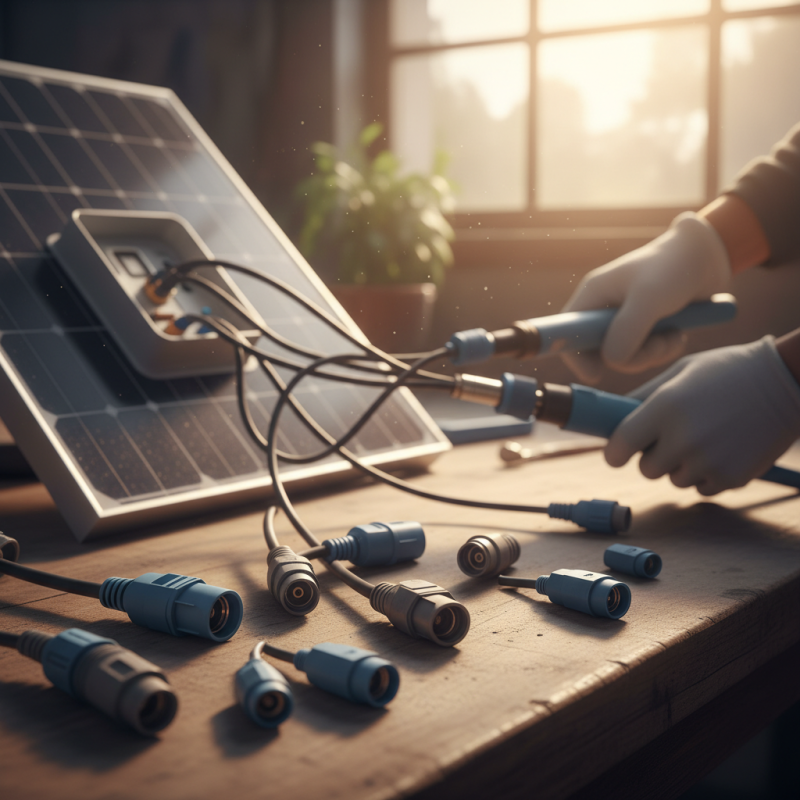
Understanding Photovoltaic Connectors and Their Importance
Photovoltaic connectors are vital for solar energy systems. They link solar panels to the inverter and other components. The right connectors ensure efficiency and safety. Quality connectors withstand harsh weather. They resist corrosion and UV exposure. This durability extends the lifespan of the entire system.
Choosing the wrong connector can lead to serious issues. Poor connections may cause energy loss. They can also create fire hazards. It's crucial to consider the environment. Temperature fluctuations impact connector performance. Look for specifications that suit your climate. Always check compatibility with your existing equipment.
Not all connectors are the same. Some are designed for easy installation, while others require special tools. Think about how often you'll need to disconnect panels. Ease of use matters if maintenance is frequent. Reflect on your unique system needs before making a choice.
Types of Photovoltaic Connectors Available in the Market
When selecting photovoltaic connectors, understanding the types available is crucial. Many options exist, including MC4, T4, and solar branch connectors. Each type has its own specifications, affecting performance and reliability. For instance, MC4 connectors dominate the market, accounting for over 70% of installations due to their durability and ease of use.
T4 connectors are also gaining traction. They provide excellent sealing and resistance to environmental factors. Data from the International Renewable Energy Agency indicates that the demand for secure connections is rising by 15% annually. This shift highlights the importance of quality connectors in maintaining system efficiency and safety.
Branch connectors offer another solution, allowing for multiple connections in a single junction. While they can simplify installations, their complexity may lead to delays or errors. An industry report suggests that improper installation can reduce energy output by up to 20%. Choosing the right connector requires careful consideration of installation conditions and future maintenance needs.
Factors to Consider When Selecting Photovoltaic Connectors
Choosing the right photovoltaic connectors is essential for maximizing your solar system's performance. The first factor to consider is compatibility. Different systems require specific types of connectors to ensure safe and efficient energy transfer. Check the connectors’ design and size; they must fit perfectly with your solar panels and inverter.
Another key factor is weather resistance. Photovoltaic systems are outdoors, exposed to harsh conditions. Select connectors that are durable and can withstand extreme temperatures and moisture. Look for materials that prevent corrosion and UV damage.
Additionally, think about ease of installation. Some connectors may require special tools or skills to install. This complexity can lead to delays or errors during setup. Simplicity in design can save you time and frustration. Reflect on your installation strengths and weaknesses. A simple, reliable connector can make a significant difference in your overall energy generation efficiency.
Compatibility of Connectors with Your Solar System Components
When selecting photovoltaic connectors, compatibility is crucial. Many solar systems use various components, including panels, inverters, and batteries. Each of these parts might require different connectors. For instance, connectors must handle specific voltage and current ratings. Misalignment can lead to inefficiency or, worse, system failures.
According to a recent report by the Solar Energy Industries Association, over 15% of reported solar failures arise from connection issues. It highlights the need to ensure connectors match the specifications of other components in the system. For example, mismatched connectors can cause overheating or even fires. It's critical to check the connector type, gauge, and weather resistance.
In real-world scenarios, some installers overlook these details. They assume that all connectors are interchangeable. This can be a costly mistake. For optimal performance, always confirm compatibility. This includes considering environmental conditions, as some connectors perform poorly under extreme temperatures. If a connector fails prematurely, replacements may incur additional costs and downtime. Thoughtful selection can prevent such issues.
Best Practices for Installing and Maintaining Photovoltaic Connectors
When installing photovoltaic connectors, attention to detail is crucial. Proper identification of the connectors is the first step. Ensure they match your system's specifications. A mismatch can lead to inefficiencies or even damages. Always check that connectors are clean and free from debris before installation. This small step can significantly enhance performance.
Regular maintenance is also essential. Inspect connectors for signs of wear or corrosion at least twice a year. Rust or dirt buildup can hinder electrical flow. If any connectors show signs of damage, replace them promptly to prevent larger issues. It’s easy to overlook these components, yet they play a vital role in the efficiency of your solar energy system.
Moreover, proper torque specifications are necessary during installation. Over-tightening can damage connectors, while under-tightening may lead to loose connections. It’s a delicate balance. Documenting maintenance and inspection can help spot trends over time. Reflecting on these points can refine your installation and maintenance practices, ensuring a reliable solar system for years to come.