Why Choose the Best Cable Conduit for Your Project?
When embarking on a project, the materials chosen can significantly impact success. Experts emphasize the significance of selecting the right elements for optimal performance. John Anderson, a renowned cable conduit specialist, once stated, "Choosing the right cable conduit is crucial for protecting your wiring and ensuring durability."
A well-chosen cable conduit safeguards against environmental hazards. It provides vital protection from moisture, heat, and physical damage. This is especially important in industrial settings where conditions can be harsh. A quality cable conduit can extend the lifespan of electrical installations.
However, not all conduits are created equal. The wrong choice may lead to costly repairs or system failures. It's essential to assess the specific needs of your project. Consider factors like material, size, and installation environment. Reflecting on past projects can highlight what worked and what didn't. This consideration is key in making informed decisions about cable conduit selection.
Understanding the Purpose of Cable Conduits in Electrical Projects
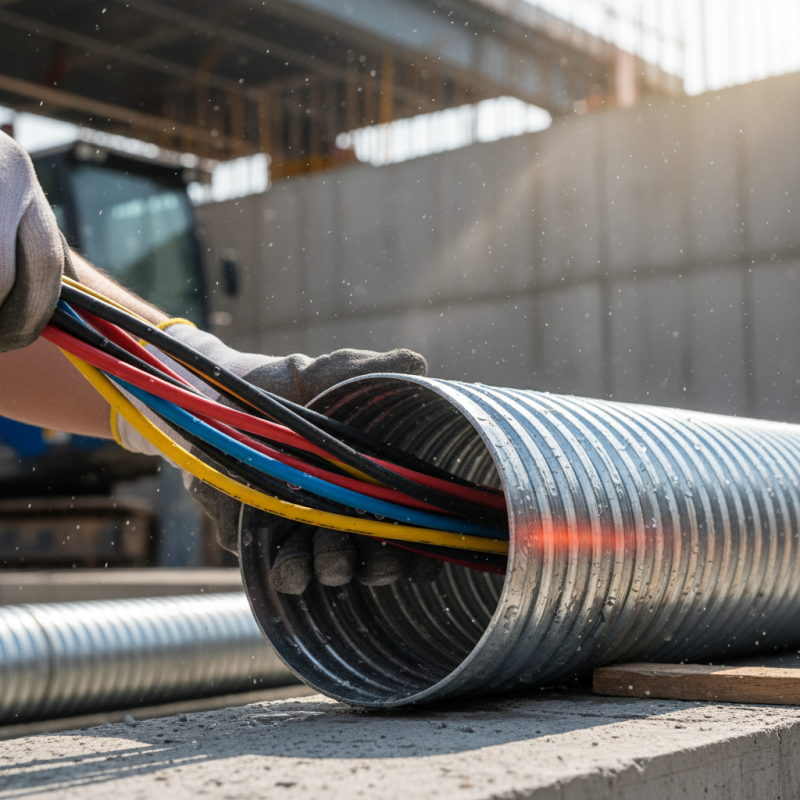
Choosing the right cable conduit is crucial for any electrical project. Conduits serve as protective coverings for electrical wires. They shield cables from damage and ensure safety in installations. By understanding their purpose, you can make informed decisions for your projects.
Different materials are available for cable conduits. PVC, metal, and flexible options cater to various environments. PVC conduits are lightweight and resistant to corrosion. Metal options provide enhanced durability but can be heavier. Each material brings its strengths and weaknesses. It's vital to analyze your project's specific needs before selecting a conduit type.
Tips for choosing the right conduit: consider the environment. For outdoor installations, waterproof options are necessary. In areas with heavy machinery, robust metal conduits may be needed. Always account for future expansions or modifications. Overlooking potential changes can lead to costly adjustments down the line. Prioritize safety and functionality in your choices.
Understanding the Usage of Different Cable Conduits in Electrical Projects
This bar chart illustrates the usage percentage of different types of cable conduits commonly used in electrical projects. PVC conduits dominate the market due to their versatility and cost-effectiveness, followed by metal conduits for their durability and strength. Liquid-tight and flexible conduits are also used for specific applications, while rigid and raceway options represent a smaller share.
Types of Cable Conduits: Materials and Their Applications
When selecting cable conduits, understanding materials and their specific applications is essential. PVC conduits are popular due to their lightweight and affordable nature. They are resistant to moisture and corrosion, making them suitable for indoor installations. However, extreme temperatures can affect their structural integrity. This limitation requires careful consideration.
Metal conduits, such as EMT and RMC, provide excellent protection in harsh environments. They can withstand impact and fire, which is crucial for safety in industrial settings. However, they are heavier and more expensive than their plastic counterparts. The labor and tools needed for installation can also add to the overall cost.
Flexible conduits made from materials like polyethylene are great for tight spaces. They allow for easy routing of cables, especially in complex setups. Yet, their protection level is not as high as rigid conduits. Choosing the right conduit often involves balancing budget and safety requirements. Evaluating project needs thoroughly can lead to better decisions.
Why Choose the Best Cable Conduit for Your Project? - Types of Cable Conduits: Materials and Their Applications
| Conduit Type |
Material |
Main Applications |
Advantages |
Disadvantages |
| Rigid Conduit |
Steel or PVC |
Commercial and Industrial |
Strong protection, durable |
Heavy and not flexible |
| Flexible Conduit |
Plastic or Metal |
Tight Spaces, Movement |
Easy to install, adaptable |
Less protective than rigid |
| Non-Metallic Conduit |
PVC |
Outdoor Applications |
Corrosion resistant, lightweight |
Less durable against impact |
| Intermediate Metal Conduit (IMC) |
Metal |
Industrial Settings |
Lightweight yet strong |
Higher installation costs |
| Liquidtight Flexible Conduit |
Plastic |
Outdoor and Wet Locations |
Water-resistant, flexible |
May not be as durable as rigid options |
Factors to Consider When Choosing the Right Cable Conduit
Choosing the right cable conduit is crucial for any project. Various factors must be carefully evaluated. Consider the environment where the conduit will be installed. For outdoor projects, UV resistance is essential. If the conduit will face moisture, look for water-resistant materials. These specifics can significantly impact durability.
Another factor to keep in mind is the required capacity. Assess the number and size of cables that need protection. If you underestimate this, you might face issues later. Additionally, the conduit’s installation method matters. Some conduits are easier to install than others. Research the installation requirements before making a decision.
Finally, think about future needs. Projects often evolve. You may need to add more cables over time. Choosing a conduit with extra capacity from the start can save time and money down the line. Considering these detailed aspects increases the likelihood of a successful project outcome.
Benefits of Using Quality Cable Conduits for Project Longevity
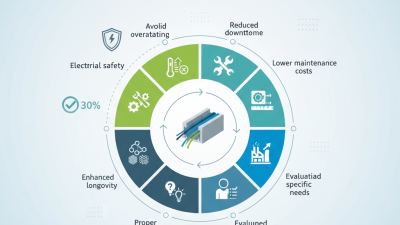
Choosing the right cable conduit can significantly impact the longevity of your project. Quality conduits serve as protective barriers, safeguarding wires from physical damage and environmental factors. According to industry reports, inferior conduits can lead to a 30% increase in maintenance costs over time. When cables are exposed to moisture, heat, and abrasion, they deteriorate quickly, which can affect overall system performance.
Investing in premium materials like PVC or flexible metal conduits enhances durability. These materials resist corrosion and provide improved insulation, creating a safer electrical environment. In fact, data indicates that projects using quality conduits see a reduction in electrical failures by up to 40%. This not only saves costs in replacement but also ensures project timelines remain intact.
Quality cable conduits may require a higher initial investment. However, the long-term savings on repairs and downtime can outweigh those early expenses. Often, projects overlook the importance of these materials, leading to premature failures. It’s essential to weigh short-term budgeting against long-term reliability. A proactive approach to selecting conduits helps ensure that systems perform consistently and safely over their intended lifespan.
Installation Tips for Optimal Performance of Cable Conduits
Choosing the right cable conduit is essential for any project. Proper installation is key to ensuring optimal performance. According to the National Electrical Contractors Association, improper installation can lead to increased maintenance costs and project delays. Therefore, understanding installation best practices is crucial.
When installing cable conduits, start by assessing the environment. Every location has specific needs. For example, outdoor installations require UV-resistant materials. Indoor installations should prioritize fire-resistant conduits. A survey by the Electrical Safety Foundation International highlights that nearly 30% of electrical failures are linked to inadequate protection. Using the appropriate conduits can significantly reduce these risks.
Pay close attention to bends and fittings during installation. Sharp bends can damage cables and increase the risk of failure. It's advisable to maintain gradual curves when possible. Some installation guidelines recommend avoiding more than two 90-degree bends in a single conduit run. Awareness of these details can help prevent potential issues in the long run. Remember, if something feels off during installation, re-evaluate your approach. Quality installation leads to better project outcomes.