What is Cable Management Systems? Benefits and Best Practices Explained
In today's fast-paced technological landscape, efficient organization and management of cables have become increasingly essential. Cable management systems play a critical role in ensuring that both residential and commercial spaces maintain a tidy and functional environment. These systems are designed to minimize clutter, reduce the risk of damage to cables, and enhance overall safety by preventing tripping hazards. As the demand for connectivity and power grows, so does the need for effective cable management strategies.
Implementing cable management systems can yield a multitude of benefits, including improved aesthetics, easier access for maintenance, and enhanced performance of electronic equipment. Proper cable management not only streamlines workspaces but also facilitates the seamless integration of technology, making it easier to add or replace equipment as needed. Moreover, effective management of cables can extend the lifespan of equipment by preventing wear and tear, ultimately saving costs in the long run. This article delves into the various benefits of cable management systems and offers best practices to help individuals and organizations create a more organized and efficient environment.
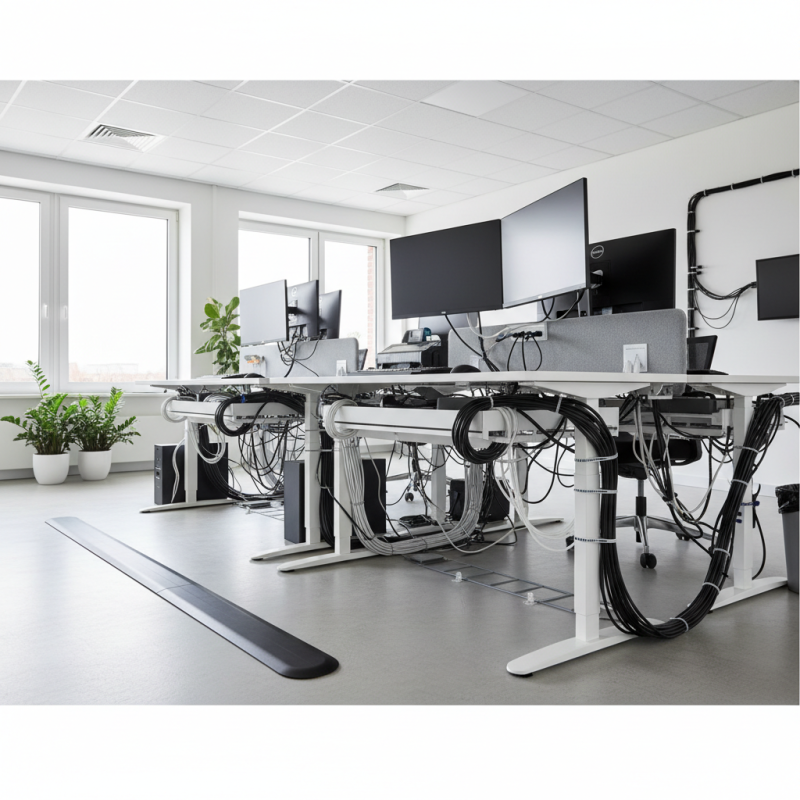
Understanding Cable Management Systems: An Overview
Cable management systems (CMS) are essential in organizing and controlling the wiring infrastructure of various environments, from residential settings to large-scale data centers. These systems not only enhance the aesthetic appeal of a space but also play a crucial role in operational efficiency and safety. According to a report by the Telecommunications Industry Association, poor cable management can lead to an increase in equipment failure by up to 30%, highlighting the need for effective cable organization.
Implementing a cable management system has numerous benefits, such as improved airflow, reduced downtime, and ease of troubleshooting. For instance, structured cabling systems enable better heat dissipation, which is vital for equipment longevity. Additionally, a well-organized cable system can facilitate quicker maintenance processes, with a study indicating that technicians can save up to 50% of their time when troubleshooting in an orderly environment.
Tips: One effective method for managing cables is to use labeled cable ties to keep similar cables bundled together, making identification easier. Furthermore, employing cable trays or raceways can prevent tangling and damage, promoting better safety standards. Lastly, periodic audits of cable management systems can ensure that they remain effective and adapted to changing technology needs.
Key Components of Effective Cable Management Solutions
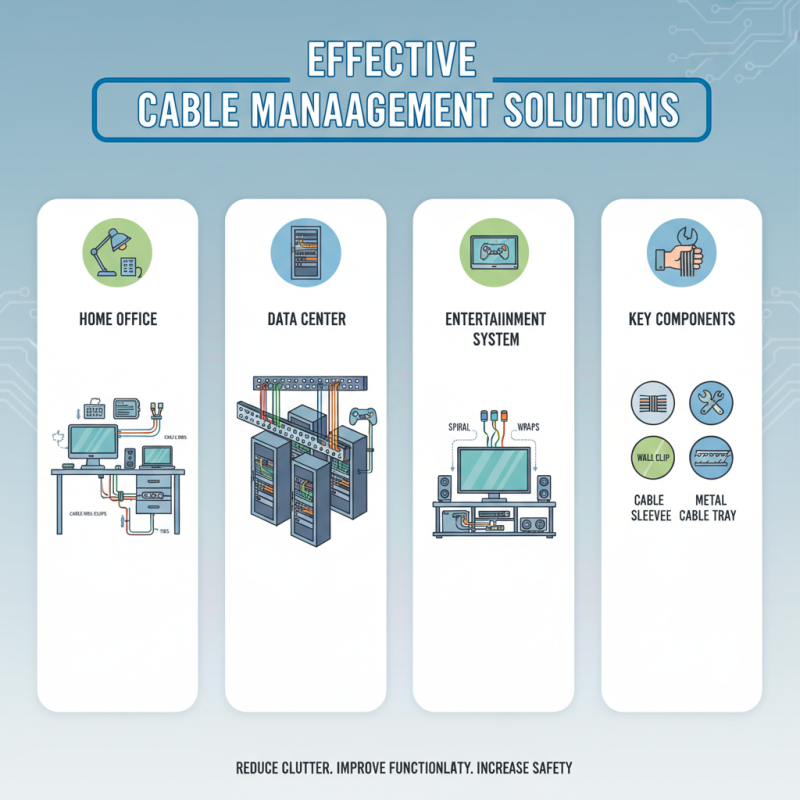
Effective cable management solutions are essential for maintaining organized and functional workspaces, whether in home offices, data centers, or entertainment systems. The key components of these systems include cable organizers, sleeves, ties, and clips, which help keep cables neat and prevent tangling. For instance, using cable trays can effectively route multiple cables along walls or ceilings, significantly reducing clutter.
When implementing a cable management system, consider these tips: First, label your cables clearly. This will save you time in troubleshooting and make it easier to identify connections. Second, adopt a color-coding system for different types of cables—for example, using one color for power cables and another for data cables. This visual distinction can enhance organization and efficiency.
Additionally, use cable covers or raceways to conceal cables running along walls or floors. This not only improves aesthetics but also safeguards cables from physical damage. Regularly reassess your cable setup to ensure it adapts to any changes in technology or workspace layout, keeping the environment safe and efficient.
Benefits of Implementing Cable Management Systems
Implementing effective cable management systems in workspaces and data centers brings several substantial benefits that enhance both productivity and safety. According to a report by the National Electrical Contractors Association (NECA), approximately 30% of an organization’s maintenance costs are attributable to poor cable management. By organizing cables systematically, companies can reduce these costs, streamline maintenance, and avoid costly downtimes due to tangled or damaged cables.
Moreover, cable management systems play a crucial role in safety assurance. The Occupational Safety and Health Administration (OSHA) highlights that improperly managed cables can lead to trip hazards, posing significant risks to employees. By utilizing cable trays, ties, and labeling systems, organizations can not only mitigate these risks but also enhance the overall aesthetics of their work environments. This improved organization leads to a more efficient workspace, allowing employees to focus on their tasks without unnecessary distraction or hazards.
Furthermore, a study by the International Data Corporation (IDC) indicates that nearly 70% of IT professionals report that poor cable management negatively impacts network performance. By investing in structured cabling solutions, companies can ensure better airflow, reduce overheating risks, and ultimately prolong the lifespan of their equipment. The investment in cable management systems thus proves to be beneficial from both operational and financial perspectives, enhancing efficiency while minimizing risks.
What is Cable Management Systems? Benefits and Best Practices Explained - Benefits of Implementing Cable Management Systems
| Aspect |
Details |
| Definition |
Cable Management Systems are designed solutions to arrange and secure cables, preventing tangles and hazards. |
| Benefits |
Improved safety, enhanced aesthetics, easier maintenance, and compliance with safety regulations. |
| Best Practices |
Use appropriate cable types, label cables, implement regular inspections, and choose proper management tools. |
| Common Tools |
Cable ties, cable trays, hooks, and conduits. |
| Industry Applications |
Telecommunications, IT data centers, residential wiring, and commercial buildings. |
| Environmental Considerations |
Using eco-friendly materials and ensuring recyclable components whenever possible. |
Best Practices for Organizing Cables and Wires
Organizing cables and wires is crucial in both home and office environments, as clutter can not only create a chaotic appearance but also pose safety hazards. A well-structured cable management system helps ensure that your workspace is efficient and pleasant. Start by separating cables based on their function, such as power cords, data cables, and audio-visual connections. Labeling each cable at both ends enables easy identification and reduces the risk of unplugging the wrong device.
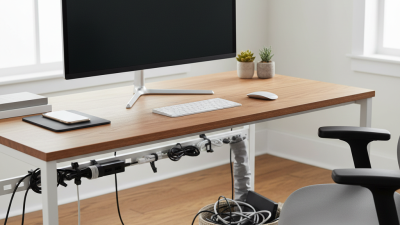
Tips for maintaining orderly cables include using cable ties or Velcro straps to bundle excess lengths of cable neatly. Invest in cable management sleeves or raceways to hide cables along walls or desks, creating a streamlined look. Moreover, consider using cable trays under desks to keep cables off the floor, minimizing tripping hazards and maintenance issues. Regularly reevaluate your cable management techniques to adapt to any changes in your equipment or setup.
Another effective method is to create a digital inventory of your cables and devices. Documenting which cables connect to specific devices can help troubleshoot issues quickly and maintain an organized environment. Keeping spare cables labeled and stored away ensures that you are prepared for any upgrades or replacements without creating additional clutter. By implementing these best practices, you can enjoy a tidy space that enhances productivity and comfort.
Common Cable Management Mistakes to Avoid
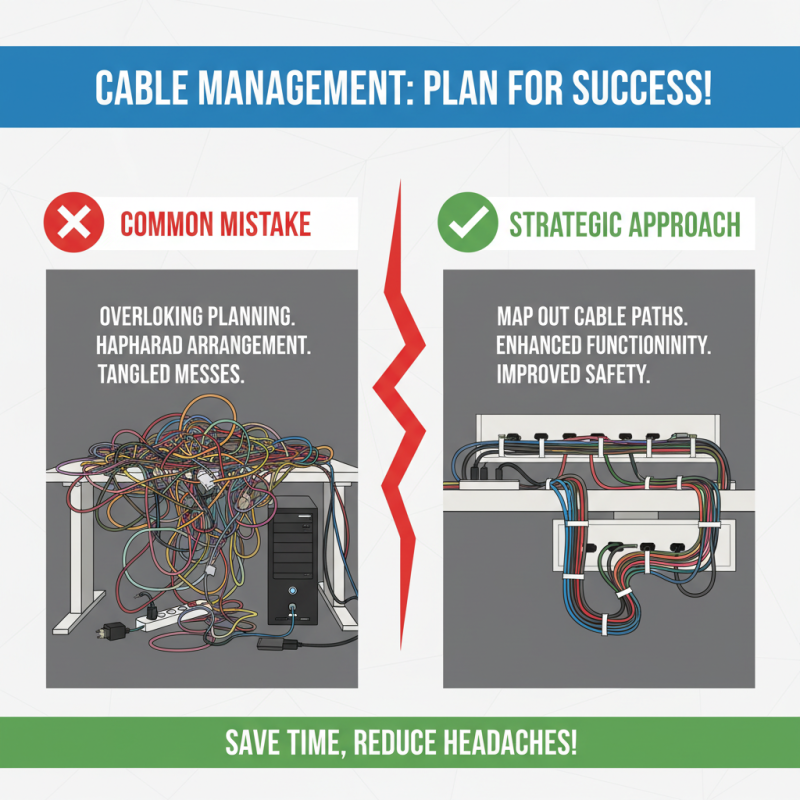
When it comes to cable management systems, one of the most common mistakes is overlooking the importance of planning. Many individuals tend to haphazardly arrange cables without considering the long-term implications. This lack of foresight can lead to tangled messes, making it difficult to identify or access specific wires when needed. A strategic layout not only improves the aesthetics of the space but also enhances functionality and safety. Taking the time to map out where cables will run can prevent future headaches and maintenance issues.
Another frequent error is failing to use appropriate management tools and accessories. Relying solely on zip ties or adhesive clips may seem like a quick solution, but these methods can be inadequate for larger setups. Inadequate support can lead to cable strain and eventual damage, causing performance issues or even complete failures. Employing cable trays, sleeves, and proper labeling can significantly improve organization, facilitate easier troubleshooting, and extend the lifespan of your cables. Investing in suitable cable management products is essential for a cleaner and more efficient setup.