What are the Benefits of Using Butterfly Valves in Industry?
Butterfly Valves are crucial components in various industrial applications. They provide efficient control of flow in piping systems. Understanding the benefits of using butterfly valves can enhance operational efficiency.
These valves are lightweight and compact. They enable quick operation and can handle large volumes of fluid. The design minimizes pressure loss, improving energy efficiency. Butterfly valves offer reliable sealing capabilities, ensuring minimal leakage. Their simple structure means less maintenance, saving both time and costs.
However, not all butterfly valves are created equal. Selecting the right type for specific applications is essential. Factors like material, size, and temperature rating play significant roles. A miscalculation can lead to failures or inefficiencies. Therefore, it's vital to consult industry experts. Their knowledge can guide choices that optimize performance and safety. A well-informed decision can lead to long-term benefits in any industrial system.
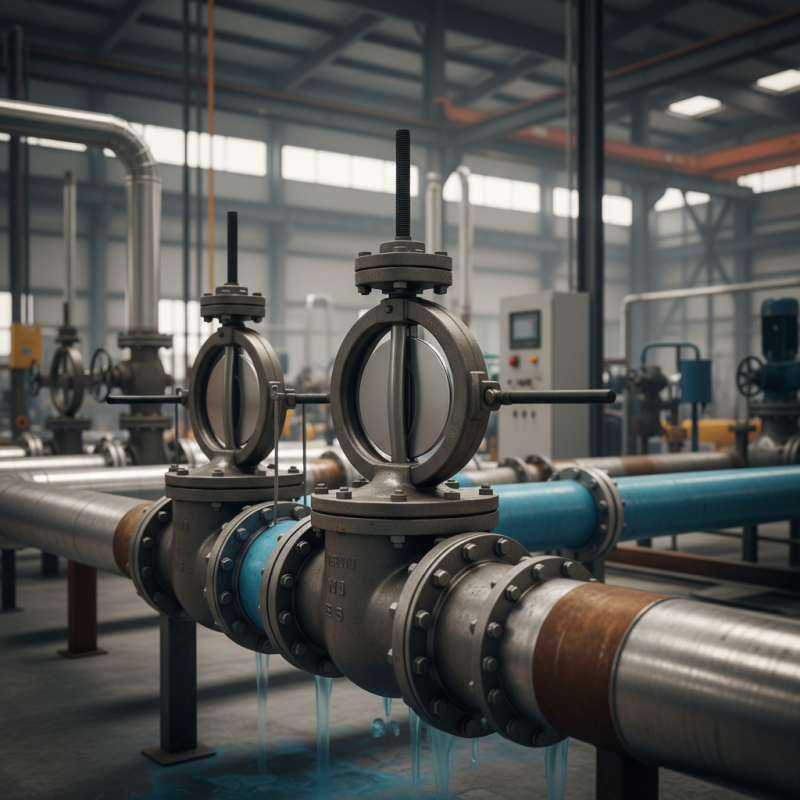
Advantages of Butterfly Valves in Fluid Control Applications
Butterfly valves are essential in fluid control applications due to their unique design and operational efficiency. Their compact structure allows for quick opening and closing, making them ideal for systems requiring rapid response. Industry reports express that butterfly valves can achieve up to 95% flow control accuracy in various settings. This means reduced energy costs and optimized performance across processes.
One significant advantage lies in their lightweight material, which offers lower installation and maintenance costs. As reported by recent studies, companies can reduce their operational expenses by up to 30% when switching from traditional valve types to butterfly valves. Their simple mechanism also requires less space, making them suitable for tight installations where traditional valves would struggle.
However, it is crucial to acknowledge some limitations of butterfly valves. They may not perform well at high pressures, which can result in functionality issues. Additionally, improper selection based on fluid characteristics could lead to inefficiencies. Careful analysis is required to ensure they meet specific operational demands. A lack of attention to these factors can impact overall system reliability and performance.
Benefits of Using Butterfly Valves in Industry
This chart illustrates the benefits of using butterfly valves in industrial applications. Each advantage is rated based on its prevalence in the industry, showcasing how these valves contribute to cost efficiency, space savings, installation ease, flow control precision, durability, and low maintenance needs.
Efficiency and Cost-effectiveness of Butterfly Valves
Butterfly valves offer significant efficiency and cost-effectiveness in various industrial applications. Their simple design allows for quick operation, which can save both time and energy. The lightweight structure contributes to lower transportation costs. These valves can handle a wide range of fluids and pressures, making them versatile choices in the industry. Their reliable sealing capabilities ensure minimal leakage, reducing waste and enhancing operational efficiency.
Tips: Regular maintenance is crucial. Check for wear and tear to prolong valve life. Training personnel on proper handling can prevent mistakes that lead to costly repairs.
Cost savings can also be realized through reduced installations. Butterfly valves can fit into tighter spaces compared to other valve types. Their lower installation costs and easy operation effectively minimize labor expenses. When utilized correctly, they can optimize system performance, especially in large-scale operations.
Tips: Consider the flow requirements before selection. Not all butterfly valves suit every application, and mismatched specifications can lead to inefficiencies. Regular audits of performance can identify potential improvements, enhancing overall productivity.
Versatility of Butterfly Valves across Various Industries
Butterfly valves are widely used across different industries due to their versatility. In water treatment plants, they efficiently control flow with minimal pressure drop. Their simple design allows for quick opening and closing. This feature makes them ideal for applications where speed is essential. Many industries, including oil and gas, also rely on butterfly valves for their lightweight construction.
Tips: When selecting a butterfly valve, consider the type of medium it will handle. Different materials are needed for corrosive substances. Proper sizing is crucial for optimal operation.
In the food and beverage sector, butterfly valves are favored for their hygienic design. They have fewer crevices, making cleaning easier. However, their performance can be inconsistent if not properly maintained. Regular inspections can prevent leaks and reduce operational issues.
Tips: Establish a routine maintenance schedule for butterfly valves. Check seals and ensure that the actuator functions smoothly. This habit increases reliability and longevity.
Ease of Installation and Maintenance for Butterfly Valves
Butterfly valves are increasingly popular in various industries due to their simple design and functionality. One significant advantage is their ease of installation. They take up less space compared to other valves, making them ideal for tight environments. Their lightweight structure allows for quicker installation, reducing labor costs and time.
Maintenance is another area where butterfly valves excel. Their design features fewer moving parts, leading to less wear and tear. This characteristic means fewer maintenance interventions are required over time. However, it's essential to inspect the seals regularly. Neglected maintenance can lead to leaks or performance issues.
Industry professionals often recommend training staff on best practices for butterfly valve maintenance. This helps ensure high reliability and performance. While they are efficient, a slight oversight in installation or upkeep can lead to challenges. The balance between ease of use and diligent maintenance is crucial.
What are the Benefits of Using Butterfly Valves in Industry? - Ease of Installation and Maintenance for Butterfly Valves
| Benefit | Description | Impact |
| Easy Installation | Butterfly valves are lightweight and can be easily mounted between two pipe flanges. | Reduces installation time and labor costs. |
| Low Maintenance | Fewer components reduce the frequency of required maintenance checks. | Saves operational downtime and maintenance costs. |
| Compact Design | Takes up less space compared to other valve types. | Allows for more efficient use of space in piping systems. |
| Versatility | Suitable for a variety of applications, including water supply and wastewater management. | Increases flexibility in system designs. |
| Cost-Effective | Generally less expensive than other valve types due to simpler construction. | Decreases initial investment and total cost of ownership. |
Comparison of Butterfly Valves with Other Valve Types
Butterfly valves are popular in many industrial applications. They offer advantages like lightweight design and compact structure. However, how do they stand against other valve types?
When comparing butterfly valves to ball valves, one notable difference is size. Butterfly valves typically take up less space, making them ideal for areas with limited room. On the other hand, ball valves often provide a tighter seal. This makes them more suitable for applications requiring zero leakage. The choice often boils down to specific project needs.
Gate valves are another contender. They excel in high-pressure scenarios. Yet, butterfly valves can handle a range of pressures effectively if appropriately chosen. In systems requiring quick shut-off, butterfly valves might not be the best option. Sometimes, the simplicity of a butterfly valve can lead to wear over time. This might necessitate regular maintenance checks. Users should weigh these factors when selecting the right valve for their needs.