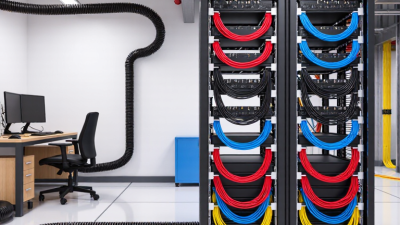
Top 10 Types of Wire Management Solutions
A tidy installation is not merely attractive. It is easier to inspect, service, and adapt when equipment changes. Wire management helps control cable paths, protect insulation, reduce snag points, and keep access panels clear. The right solution depends on the setting: a server rack needs different support than a workshop bench or an office desk.
Wire-management specialist Alex Morgan puts the guiding principle this way: “A cable route should protect the wire and make the next service call easier.” Good advice, though no single product solves every problem. A cable tray may suit a long overhead run, while sleeves, clips, or raceways can work better around desks and equipment. Leave room for ventilation, movement, and future additions. Do not bundle cables so tightly that inspection becomes difficult.
Details matter. Check bend limits, load capacity, environmental exposure, and compatibility with the cables being managed. Use labels where several similar runs meet. Keep pathways visible. Leave slack where movement requires it, but avoid loose loops near walkways or moving parts. Small choices can prevent frustrating maintenance later.
This guide explores ten common wire management solutions, from simple ties to structured routing systems. Some installations need only a few clips. Others need a plan. The imperfect part? Even a neat layout can become cluttered after upgrades, so review it periodically and adjust as the setup evolves.
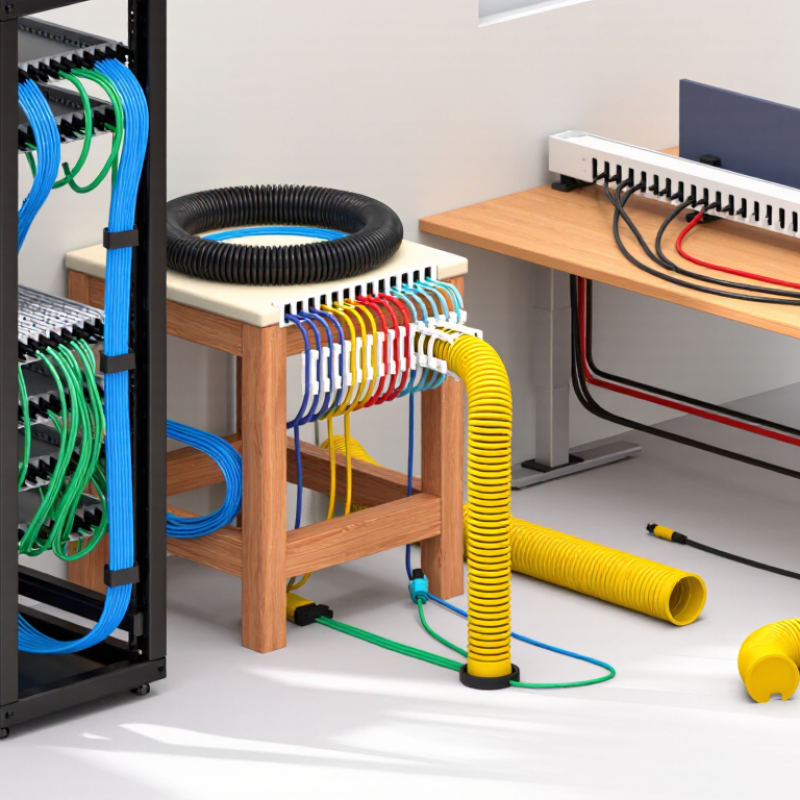
Cable Trays and Cable Ladders for Routing Multiple Cables
Cable trays and cable ladders provide clear routes for groups of cables across ceilings, equipment rooms, and industrial spaces. A solid-bottom tray helps support smaller cables and can limit debris exposure. A ladder-style system uses side rails and spaced rungs, leaving cables more visible and allowing airflow around larger runs. The right choice depends on cable weight, environment, access needs, and the route’s bends.
During a layout review, mark turns, drops, and equipment connections before selecting tray sections. A ladder may suit a long overhead run carrying heavier cables, while a tray can be practical where smaller cables need continuous support. Leave working space for future additions. Crowding a route makes inspection harder and can complicate heat management. Access matters.
Support spacing and cable bend radius should follow the system and cable manufacturers’ guidance. Keep different cable groups separated where project requirements call for it, and label routes so technicians can trace them without guesswork. Covers may help where dust or falling objects are concerns, but they can also make inspection less immediate. That can change. Recheck the plan against real site conditions; beams, pipes, and late equipment changes often force awkward adjustments.
Top 10 Types of Wire Management Solutions
This qualitative 1–5 index compares typical routing flexibility, considering how readily each solution accommodates route changes and branches. It is an illustrative comparison, not a standardized product rating; actual suitability depends on the installation and system design.
Conduits and Raceway Systems for Enclosed Cable Runs
Conduits and raceways create enclosed paths that help shield cables from dust, accidental knocks, and everyday contact. Conduit surrounds individual runs or grouped cables, while raceways often provide a covered channel with room for organized routing. The right choice depends on the site. A workshop wall, a damp utility area, and a busy office ceiling place different demands on an enclosure. Check the environment, cable types, and access needs before choosing materials or sizes.
Route planning matters. Measure the full path, including turns and drops to outlets. Leave room for the cables to enter and exit without sharp bends. A crowded enclosure can make installation difficult and future troubleshooting slower. Check the enclosure’s stated capacity and avoid forcing cables into tight spaces. Follow applicable electrical codes and manufacturer guidance, especially where power and data cables share a route. They may need separation.
Maintenance counts too. Removable raceway covers can make later changes easier, while continuous conduit may suit runs needing stronger physical protection. Support enclosures at appropriate intervals, secure their ends, and use fittings suited to the location. Small gaps can let in dust or moisture. Even a careful plan can miss an awkward elbow behind a cabinet; a dry fit often catches it before cables go in. Keep a simple route record, though it may not capture every change made during installation.
Cable Trunking and Wire Ducts for Organized Wiring
Cable trunking and wire ducts keep wiring grouped, protected, and easier to trace. Closed ducts with removable covers suit control panels, workshops, and equipment rooms. Installers can route separate circuits through distinct channels, where the design requires it. Keep bends gentle. Respect cable bend-radius limits and avoid packing ducts tightly; crowded wiring can trap heat and complicate later changes.
Measure the route before cutting. Allow room for branch exits, connector access, and future cables. Smooth cut edges and secure covers help prevent cable abrasion. Label both ends of important runs, not just the visible duct. A tidy duct can still hide a poor layout. Check manufacturer fill guidance and applicable electrical requirements for the specific installation.
There is a practical reason to care about access. Uptime Institute’s 2024 Annual Outage Analysis reported that 54% of respondents said their most recent significant outage cost more than $100,000. That figure does not show that wire ducts prevent outages; it does underline the value of maintainable infrastructure. During inspection, technicians should be able to open a cover, identify a run, and replace a cable without disturbing neighboring conductors. A little spare capacity helps. It is easy to underestimate.
Cable Ties and Hook-and-Loop Straps for Bundling Cables
Cable ties and hook-and-loop straps both keep loose wires under control, but they suit different jobs. A standard nylon tie works well for a bundle that rarely changes, such as cables routed beneath a desk. Pull it snug, not tight: a narrow tie can press into insulation or flatten a sensitive cable. Leave enough room to follow the cable’s recommended bend radius.
Hook-and-loop straps are easier to adjust. They’re useful around a workbench, where power and charging leads seem to move every week. Wrap one around a small group, then reopen it when a cable needs replacing. No cutting required. They can also be gentler on cable jackets, though a strap that is too loose may let a bundle sag.
A practical check is to trace each cable from end to end before securing it. This catches crossed leads and tight turns that a neat-looking bundle can hide. I wouldn’t call either method universally better; that depends on how often the setup changes. I still find it easy to over-organize a cable run. Leave a little slack near plugs, and don’t cinch ties against sharp desk edges.
Cable Clips and Cable Sleeves for Securing and Protecting Wires
Cable clips and cable sleeves solve different wire-management problems. Clips anchor individual leads along a desk edge, cabinet wall, or equipment rack. Choose a clip that fits the cable without squeezing it; tight pressure can deform insulation over time. Clean the mounting surface first, then route cables away from hinges, sharp corners, and warm vents. Small details matter. A clip is useful for orderly routing, but it cannot repair a frayed cord or correct an overloaded circuit.
Sleeves gather several wires into a flexible protective cover, helping reduce tangles and scuffs where cables pass behind desks or through busy work areas. Leave enough slack for movement, and avoid packing the sleeve so tightly that heat cannot escape. The National Fire Protection Association’s Home Electrical Fires report recorded an annual average of 32,620 U.S. home structure fires involving electrical distribution or lighting equipment during 2015–2019. That figure is context, not evidence that clips or sleeves prevent fires. A tidy bundle can still hide damage, so inspect cables before covering them and keep connections accessible. It is easy to over-organize. A little visible slack is often safer and easier to maintain.
Top 10 Types of Wire Management Solutions - Cable Clips and Cable Sleeves for Securing and Protecting Wires
| # | Wire Management Solution | How It Secures Wires | Protection Provided | Common Applications | Things to Consider |
|---|---|---|---|---|---|
| 1 | Adhesive-Backed Cable Clips | A clip holds one or more cables against a surface; an adhesive pad attaches the clip to a clean, smooth area. | Helps keep cables routed neatly and reduces loose-wire movement. | Desks, cabinets, home entertainment setups, and other indoor surfaces. | Adhesion depends on surface cleanliness, texture, temperature, and load. Not ideal for rough or dusty surfaces. |
| 2 | Screw-Mount Cable Clips | A fastener passes through or secures the clip to a solid surface, holding the cable in place. | Provides a fixed routing point and helps prevent cables from shifting. | Workbenches, equipment panels, workshops, and permanent installations. | Requires a suitable mounting surface and a correctly sized fastener. Avoid overtightening clips around cables. |
| 3 | Nail-In Cable Clips | A small attached nail fastens the clip to wood while the clip guides or retains a cable. | Keeps cables close to a wooden surface and helps maintain a tidy route. | Light-duty cable routing along wooden trim, studs, or furniture. | Use only where the nail can be installed safely. Do not pierce or crush the cable, and check for hidden wiring or pipes. |
| 4 | P-Clamps | A curved clamp wraps partly around a cable or bundle and is secured through a mounting hole. | Supports cables and can limit movement when appropriately sized and installed. | Vehicle, machinery, electrical-panel, and equipment installations. | Select a size that fits the cable bundle without pinching it. A cushioned lining can help reduce abrasion and vibration transfer. |
| 5 | Cable Ties | A toothed strap loops around a bundle and locks into its head to gather cables together. | Organizes bundles and can reduce snagging when cables are routed properly. | Electrical enclosures, network racks, workshops, and general cable bundling. | Do not tighten enough to deform cable insulation. Standard ties are generally not reusable; choose material suited to the environment. |
| 6 | Hook-and-Loop Cable Straps | A reusable strap wraps around a bundle and fastens to itself with hook-and-loop material. | Groups cables without requiring a permanent, rigid fastening point. | Computer and audio setups, temporary installations, and bundles that need frequent changes. | Can be reopened and adjusted. Check strap width and fastening strength for the bundle size and expected handling. |
| 7 | Split Braided Sleeving | A flexible woven sleeve with a lengthwise opening wraps around existing cables. | Helps guard cable surfaces against scuffs and abrasion while keeping a bundle together. | Workstations, equipment builds, vehicle interiors, and cable bundles with branches. | The split design makes installation and cable access easier, but it does not provide a sealed barrier against water or dust. |
| 8 | Expandable Braided Sleeving | A woven tube expands to pass over a bundle and contracts around it when released. | Provides a flexible outer layer that helps reduce abrasion and tangling. | Long cable runs, appliance wiring, and bundles with connectors that can pass through the sleeve. | Measure the bundle and connector sizes before selecting a diameter. The open weave is not a waterproof seal. |
| 9 | Spiral Cable Wrap | A continuous helical strip wraps around a group of cables and can be applied along selected sections. | Helps organize cables and offers light protection from rubbing and everyday handling. | Desk setups, equipment connections, and cable bundles that need occasional branch-outs. | Cables can usually be added or removed between spiral turns. It is not a rigid conduit or a sealed protective covering. |
| 10 | Corrugated Loom Tubing | A ribbed, hollow tube encloses a cable or bundle; split versions allow installation around existing wires. | Provides a more substantial barrier against abrasion and incidental contact than an open cable wrap. | Automotive wiring, machinery, workshops, and general-purpose cable routing. | Check the tubing material and temperature rating for the location. Open ends and split seams do not create a sealed enclosure. |
Related Posts
-
How to Choose the Right Wire Management System?
-

Revolutionize Your Workspace: Unleashing the Power of Innovative Cable Holders
-

The Ultimate Guide to Effective Cable Management Strategies for a Tidy Workspace
-
Why Cable Management is Essential for a Tidy and Efficient Work Environment
-

How to Master Wire Management for a Clutter Free Workspace?
-

What is Cable Management? Tips for Organizing Your Wires Effectively